Content
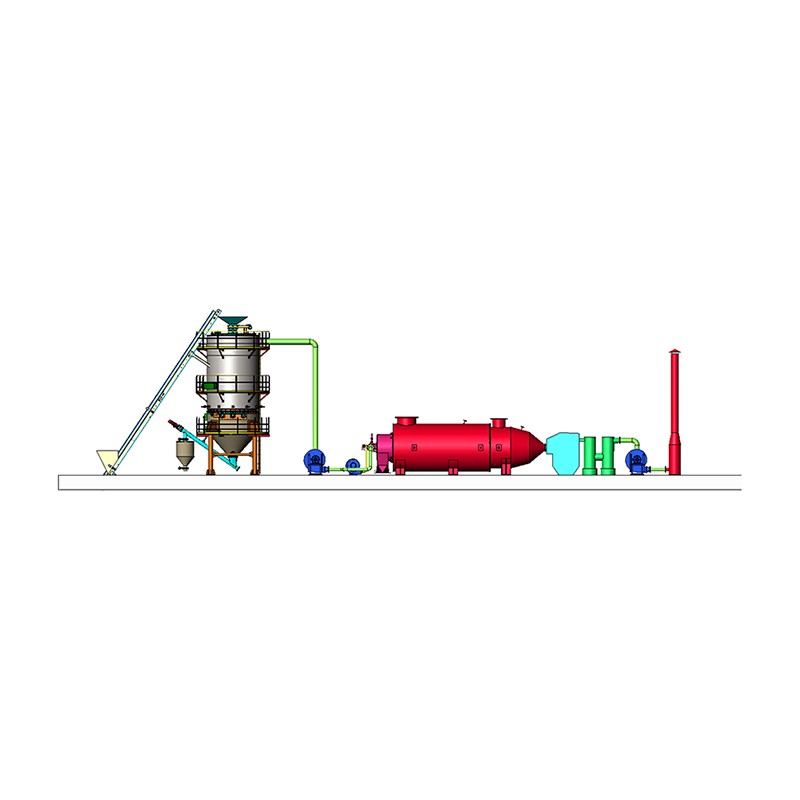
A calciner is a thermal-processing vessel designed to heat a material below its melting point so that it undergoes calcination. The process may remove absorbed or chemically bound water, drive off carbon dioxide or sulfur oxides, or transform the material's crystal structure into a more reactive or stable form. For example, limestone becomes quicklime, magnesite becomes magnesia, and spodumene concentrate changes into a phase that can be leached more easily. A calciner is not a melting furnace. The material stays solid, but its chemistry changes.
In simple terms, a calciner works by giving raw material enough heat and enough time to complete a specific thermal reaction. The practical sequence can be broken into four stages:
In most industrial rotary calciners, the shell is slightly inclined and rotates slowly. Feed enters at the upper end, and the burner fires from the lower end. The hot gas moves counter-current to the material, transferring heat by radiation and convection. Gravity and rotation move the solids toward the discharge end. The combination of rotation speed, dam height, shell slope and gas flow determines residence time, which can range from a few minutes to more than an hour.
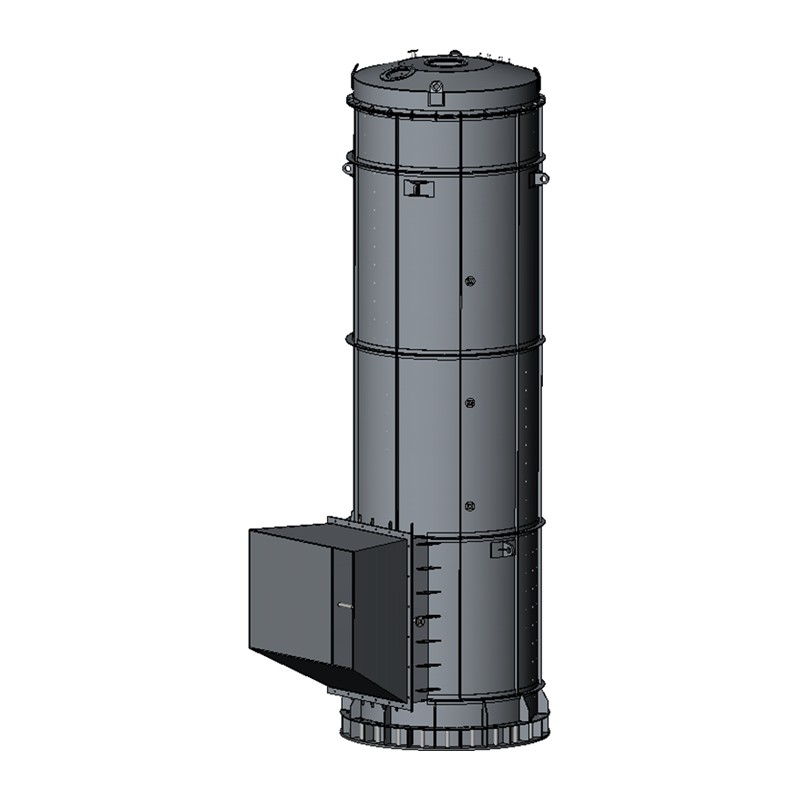
Although designs vary, continuous calciners generally share the same building blocks:
The burner is particularly important because it determines flame shape, temperature profile and heat release pattern. Get that wrong, and the whole calciner struggles. Get it right, and the process runs smoothly. As a company focused on industrial furnace and combustion technology, we treat the burner as part of the entire thermal system rather than an isolated component.
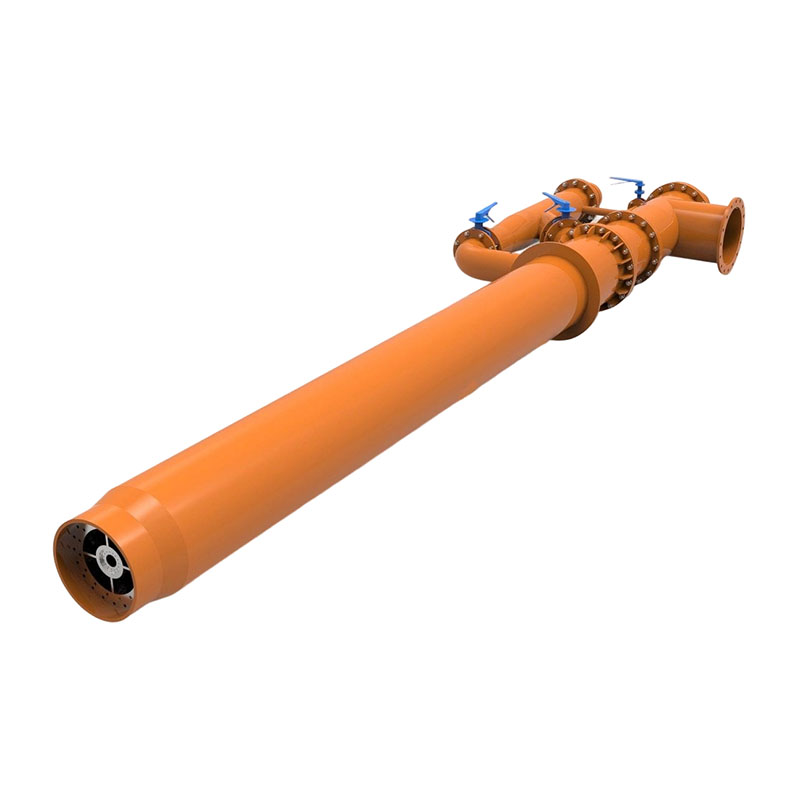
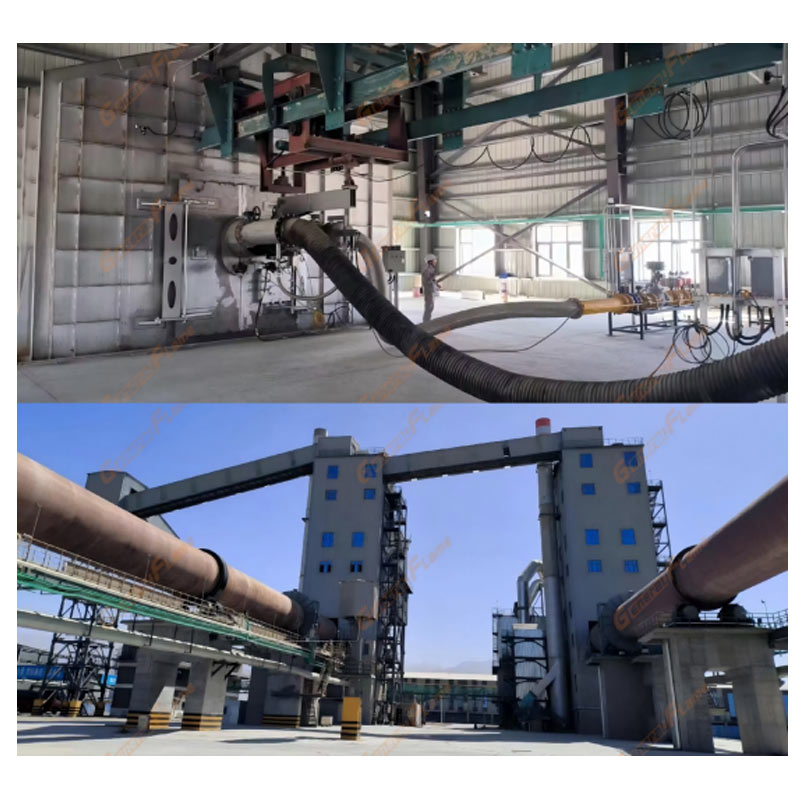 Rotary Kiln Burner with Patented ALVS Adjustable DesignThis burner ensures stable temperature curves for critical processes like lithium conversion and nickel laterite pre-reduction. Its adjustable Laval nozzle and swirl generator precisely control flame shape, making it essential for calciner performance.View Product →
That approach matters most when the process depends on a stable temperature curve, such as in lithium mineral phase transformation or nickel laterite pre-reduction. The burner must match the kiln diameter, the fuel type, and the atmosphere required by the material.
Different materials need different gas velocities, temperatures and residence times. That is why there are several calciner configurations.
| Type | Working principle | Typical applications |
|---|---|---|
| Rotary kiln calciner | Rotating inclined shell with counter-current gas flow; can be direct or indirect fired. | Lime, magnesia, lithium minerals, nickel laterite, zinc oxide. |
| Flash or suspension calciner | Fine particles are suspended in hot gas; heat transfer is very fast. | Cement raw meal, alumina, fine mineral powders. |
| Fluidized-bed calciner | An upward gas stream keeps particles suspended and well mixed. | Gypsum, magnesium hydroxide, spent catalyst, other free-flowing powders. |
| Shaft or vertical kiln | A fixed or moving bed in a vertical vessel; gas passes counter-current to the material. | Limestone and dolomite calcination in relatively coarse sizes. |
The precalciner used ahead of cement rotary kilns is a suspension calciner in which raw meal is almost fully calcined before it enters the kiln. This arrangement reduces the thermal load on the main kiln and increases overall throughput.
Without a burner, a direct-fired calciner is just a hot box. The burner brings fuel and combustion air together, creates the flame, and shapes the heat field inside the kiln. The fuel can be natural gas, heavy oil, coal, solid fuel, biomass syngas, or a combination. In gas-fired systems, a clean, adjustable flame gives the operator tight control over temperature. We have supplied gas burners for processes that need stable oxidation conditions and low ash contamination.
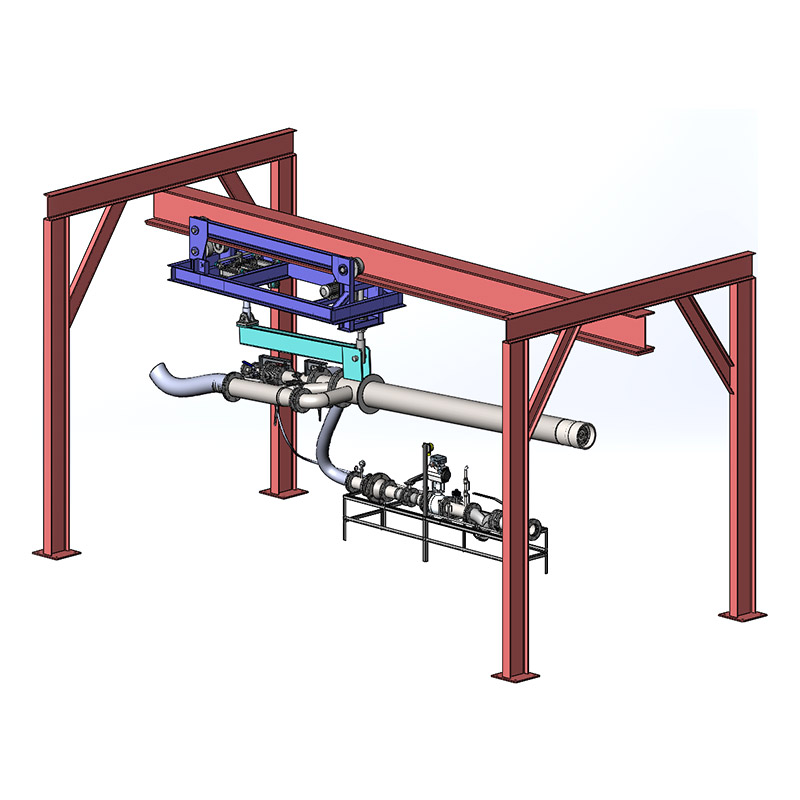
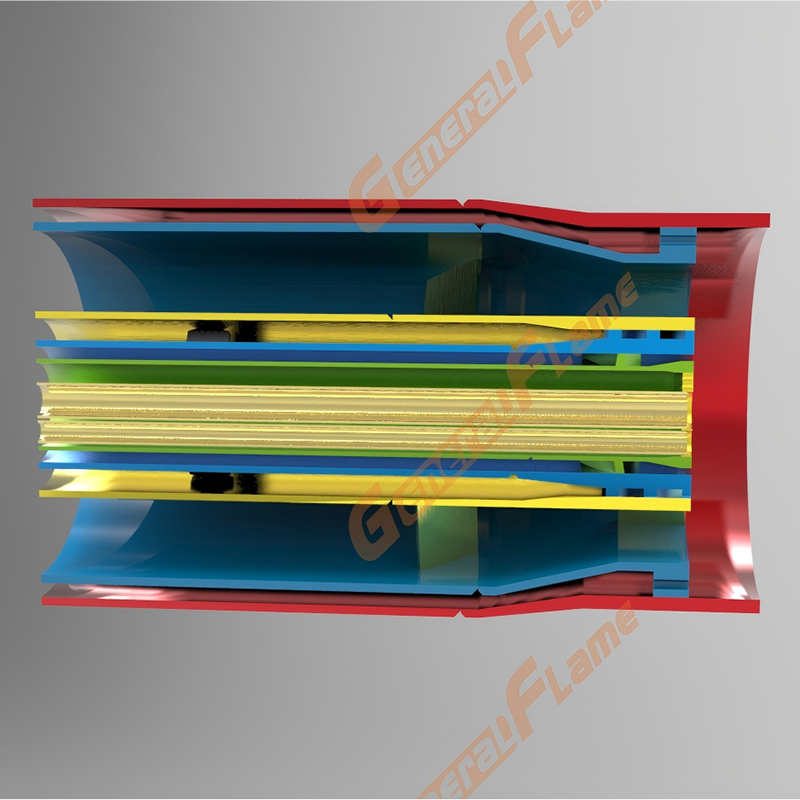 Gas Fuel Burner for Precise Flame Control in Rotary KilnsThis gas burner delivers a clean, adjustable flame essential for stable oxidation and low ash contamination. Its Laval nozzle and variable swirl optimize flame length and temperature, ideal for long kilns in nickel-iron and lithium production.View Product →
Flame length matters as much as flame temperature. A short, intense flame can overheat the refractory and the charge; a long, weak flame leaves the material under-heated. The burner should be chosen together with the kiln diameter, shell length and target material. For a deeper look, rotary kiln burner types and design explains the practical differences between burner arrangements.
Calcination is a core step in many industries. The material being processed determines the temperature, atmosphere and residence time. Typical examples include:
Each application places a different demand on the calciner. For example, lithium minerals generally need a narrow temperature band, while nickel laterite needs a long residence time at moderate temperature. Our project experience with lepidolite and spodumene rotary kiln burners helps us match combustion conditions to the mineral chemistry.
Environmental regulations can also drive burner selection. NOx formation tends to increase with peak flame temperature, so calciners with high firing rates often benefit from a burner design that controls the thermal profile. A low-NOx burner is a direct way to reduce emissions while keeping the calciner productive.
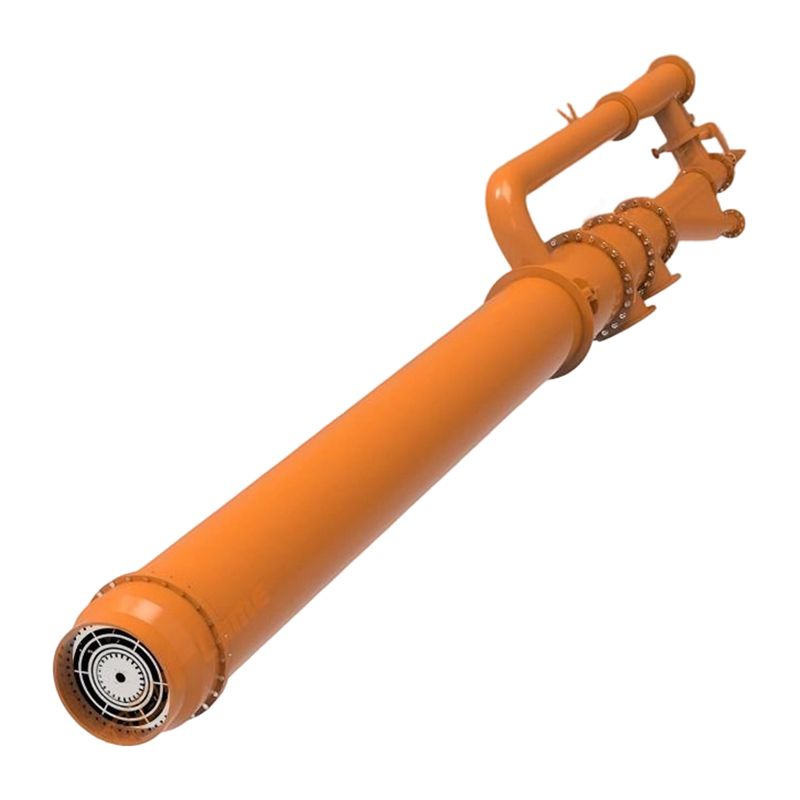
 Low-NOx Burner with Staged Combustion and FGRThis burner reduces NOx to under 30 mg/m³ while achieving 98% combustion efficiency and 20-30% fuel savings. Its modular design fits kilns up to 6m, ensuring regulatory compliance across cement, ceramics, and waste-to-energy applications.View Product →
The right calciner is not only the one with the highest thermal rating. It has to produce a product that meets quality targets, operate with the fuel that is available, stay within environmental limits, and survive the abrasive or corrosive nature of the feed. A robust combustion system makes that possible.
Before selecting a burner, it is useful to evaluate the complete heat profile: fuel quality, moisture content of the feed, maximum firing rate, turndown needs, combustion-air temperature and expected flue-gas composition. Simple changes, such as adjusting flame length or adding combustion-air staging, can improve fuel consumption and reduce refractory maintenance.
At Jiangsu Jufeng Thermal Technology, we have spent years designing burners for rotary kilns and associated thermal equipment. If you are planning a new calciner line or upgrading an existing one, a conversation about the burner is a practical way to start.


 OEM/ODM High-Performance Combustion & Thermal Equipment Manufacturers
 English
 русский
 Français
 Español
 عربى