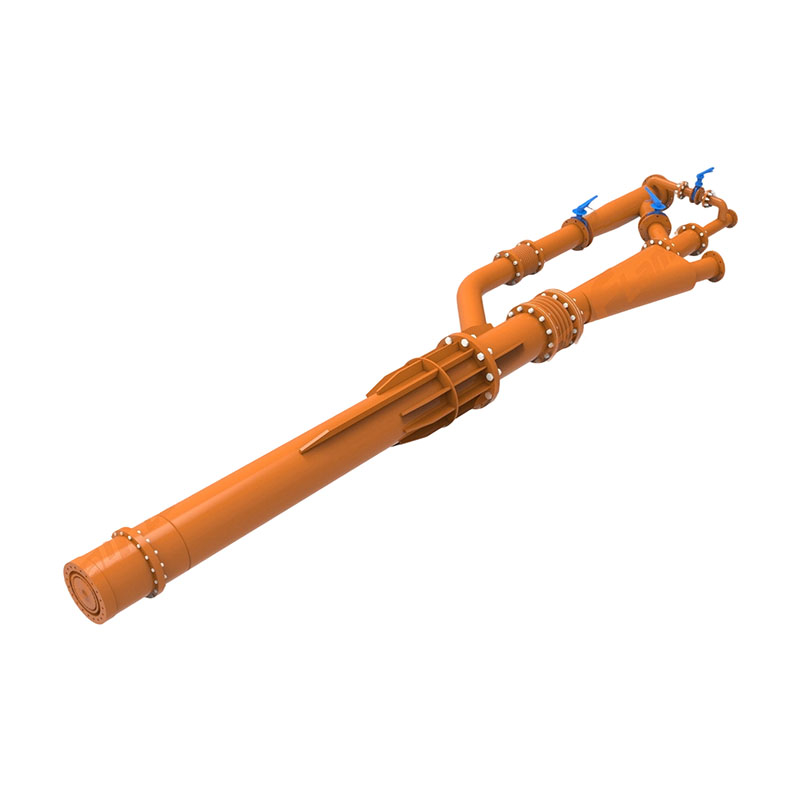
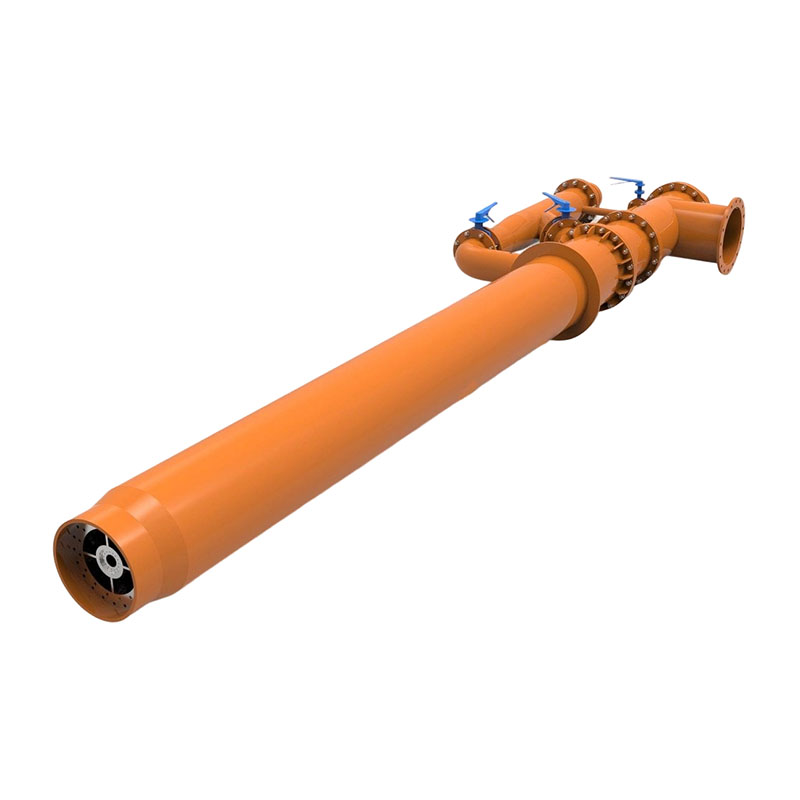
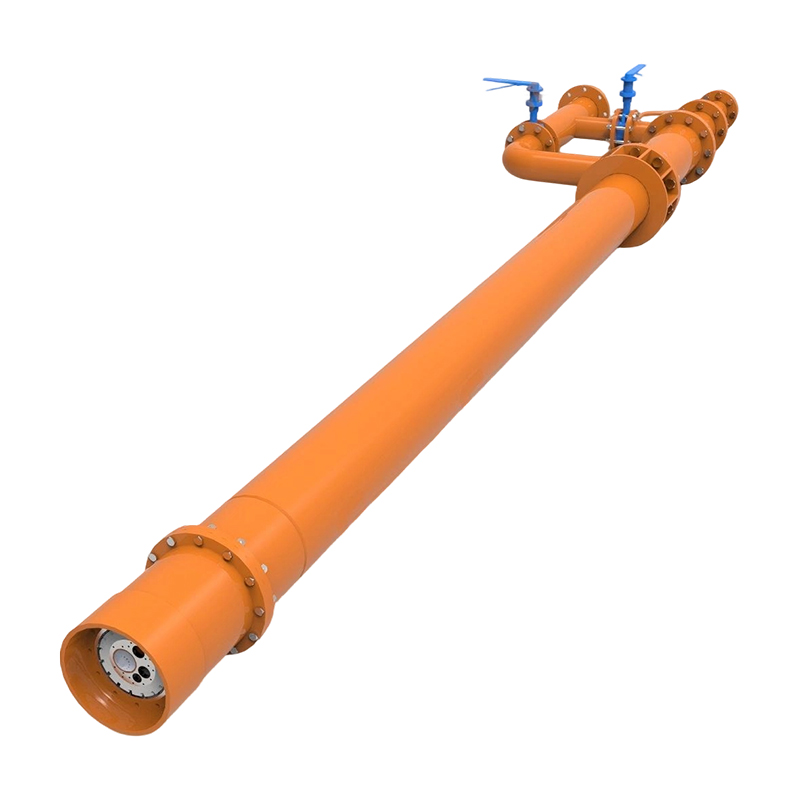
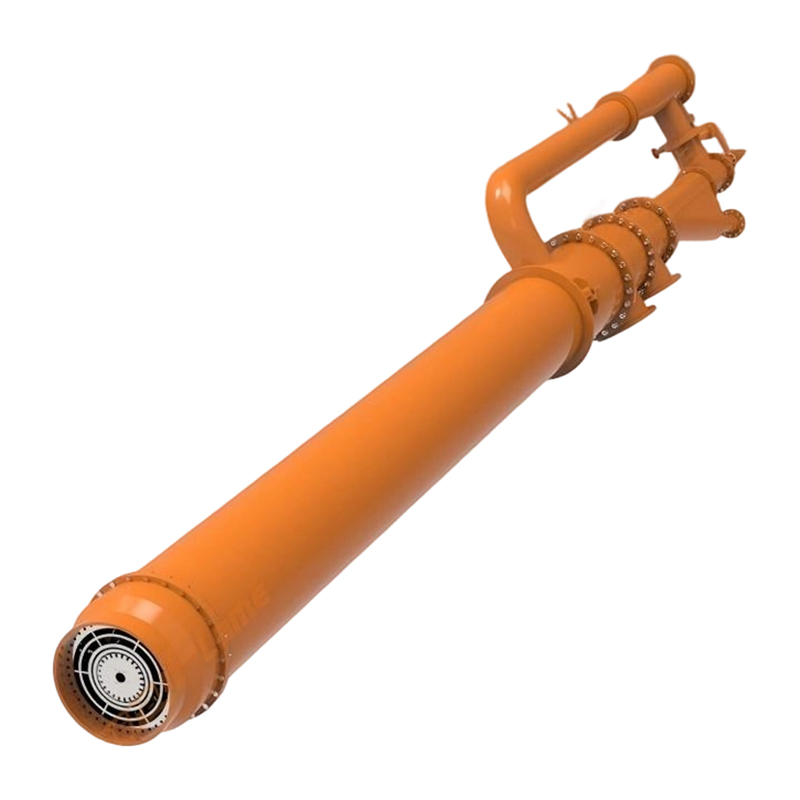
Choosing the best solid fuel burner for industrial use comes down to five core factors: fuel type compatibility, thermal output capacity (BTU/kW rating), combustion efficiency (ideally above 85%), emission compliance with local regulations, and total cost of ownership over a 10–20 year lifecycle. Before evaluating brands or models, industrial buyers must first define their process heat requirements, fuel supply chain, and environmental obligations. A cement plant in Southeast Asia burning coal will have completely different burner requirements than a biomass-powered food processing facility in Germany.
In short: match the burner to your fuel, your process temperature, and your regulatory environment — not the other way around. The sections below break down each factor with data, examples, and comparison tools to help industrial engineers and procurement managers make a well-informed decision.
What Is a Solid Fuel Burner and Why Does Industrial Selection Matter?
A solid fuel burner is a combustion device engineered to ignite and sustain the burning of solid fuels — including coal, coke, biomass, wood pellets, refuse-derived fuel (RDF), and agricultural waste — to generate thermal energy for industrial processes. Unlike residential burners focused on comfort heating, industrial solid fuel burners are designed for continuous, high-intensity operation, often running 24 hours a day, 7 days a week.
Industrial applications span a wide range of sectors:
- Cement and lime kilns (requiring flame temperatures exceeding 1,400°C)
- Steel and iron foundries using pulverized coal injection (PCI) systems
- Power generation plants (coal-fired boilers producing 50 MW to 1,000+ MW)
- Food drying and processing facilities using biomass pellet burners
- Ceramic and brick kilns relying on solid fuel for sustained high heat
- Pulp and paper mills burning black liquor or wood waste
The wrong burner choice in an industrial setting is not merely inconvenient — it can result in production downtime costing tens of thousands of dollars per hour, equipment damage from thermal stress, regulatory fines for excess emissions, and safety hazards including uncontrolled combustion or carbon monoxide exposure. That is why the selection process must be systematic and data-driven.
Step One: Define Your Fuel Type and Its Combustion Properties
Not all solid fuels are equal, and not all solid fuel burners can handle every fuel type. The first and most critical step in burner selection is understanding the physical and chemical properties of the fuel you plan to use — or fuels you plan to co-fire.
Key Fuel Parameters to Evaluate
- Calorific value (CV): The energy content per unit mass, measured in MJ/kg. Anthracite coal has a CV of approximately 30–33 MJ/kg, while wood pellets typically range from 16–18 MJ/kg and agricultural straw may be as low as 14 MJ/kg.
- Moisture content: High moisture significantly reduces effective energy output and can cause flame instability. Biomass with >30% moisture content often requires pre-drying before combustion.
- Ash content and ash fusion temperature: Coal with high ash content (>20%) can cause slagging and fouling of heat exchange surfaces. Burners must be selected with appropriate grate or ash handling systems.
- Volatile matter content: High-volatile fuels like biomass ignite more readily but may require staged combustion to control emissions. Low-volatile fuels like petroleum coke need higher ignition temperatures.
- Sulfur and chlorine content: Fuels with high sulfur (e.g., certain coals at 3–5% sulfur) require flue gas desulfurization (FGD) systems and corrosion-resistant burner materials. High chlorine content in RDF fuels causes dioxin formation risks.
- Particle size and grindability: Pulverized coal burners require fuel ground to 70–75 microns (70% passing 75μm), while stoker burners can handle lump coal up to 50mm in diameter.
Table 1: Comparison of Common Industrial Solid Fuels and Their Key Properties
| Fuel Type |
Calorific Value (MJ/kg) |
Typical Moisture (%) |
Ash Content (%) |
Sulfur Content (%) |
Typical Burner Type |
| Anthracite Coal |
30–33 |
3–5 |
5–15 |
0.5–1.5 |
Pulverized / Stoker |
| Bituminous Coal |
25–32 |
5–15 |
8–20 |
0.5–4.0 |
Pulverized / Cyclone |
| Petroleum Coke |
32–36 |
1–5 |
0.5–2 |
3–7 |
Pulverized (high-temp) |
| Wood Pellets |
16–18 |
8–12 |
0.5–2 |
<0.05 |
Pellet / Underfeed Stoker |
| Agricultural Biomass |
12–16 |
15–35 |
3–10 |
<0.1 |
Grate / FBC |
| Refuse-Derived Fuel (RDF) |
14–20 |
10–25 |
10–25 |
0.1–0.5 |
Grate / Rotary Kiln |
If your facility plans to co-fire multiple fuels — a practice increasingly common in cement kilns substituting 30–50% of coal with alternative fuels — select a burner explicitly designed for multi-fuel flexibility, such as a multi-channel rotary kiln burner that can independently control primary air, secondary air, solid fuel, and liquid fuel flows.
Step Two: Match Burner Type to Your Industrial Process
There is no single "best" solid fuel burner technology for all industrial applications. Each burner type has specific strengths, thermal output ranges, fuel compatibility requirements, and operational trade-offs. Understanding these differences is essential before evaluating vendors.
Pulverized Fuel (PF) Burners
Pulverized fuel burners grind solid fuel to a fine powder (typically 70–200 microns) and inject it with primary air into the combustion chamber, where it burns in suspension. This technology is the backbone of large-scale coal-fired power generation and cement kilns worldwide.
- Thermal output: 5 MW to 1,000+ MW
- Combustion efficiency: 88–95% under optimal conditions
- Flame temperature: 1,200–1,600°C
- Best for: Large coal-fired boilers, cement rotary kilns, lime kilns
- Drawback: Requires energy-intensive milling infrastructure; not suitable for high-moisture or sticky fuels
A typical 300 MW coal-fired power plant uses 4–6 PF burners per boiler, each consuming approximately 10–15 tonnes of pulverized coal per hour. Leading manufacturers include FLSmidth, Fives, and Unitherm Cemcon.
Stoker Burners (Fixed and Traveling Grate)
Stoker burners feed solid fuel onto a mechanical grate where it burns in a bed, with combustion air supplied from below (undergrate air) and above (overgrate air). They are widely used for biomass, coal, and waste fuels in industrial boilers up to 100 MW thermal.
- Thermal output: 1 MW to 100 MW
- Fuel flexibility: High — can handle lump coal, wood chips, agricultural residues, and RDF
- Combustion efficiency: 80–88%
- Best for: Industrial steam boilers, district heating, food processing, textile facilities
- Drawback: Lower combustion efficiency than PF; requires regular grate maintenance
Fluidized Bed Combustion (FBC) Burners
In fluidized bed burners, solid fuel particles are suspended in an upward-flowing stream of combustion air, creating a turbulent "boiling" bed of fuel and inert material (usually sand or limestone). FBC technology is valued for its ability to handle low-quality, high-moisture, and high-ash fuels with excellent emission control.
- Two main types: Bubbling Fluidized Bed (BFB) for 5–50 MW; Circulating Fluidized Bed (CFB) for 50–600 MW
- Combustion efficiency: 90–97% for CFB systems
- SO₂ reduction: In-furnace limestone injection reduces SO₂ emissions by 90–95% without external FGD
- NOx emissions: Low combustion temperature (850–900°C) inherently reduces thermal NOx formation
- Best for: Low-grade coal, high-sulfur fuels, biomass, municipal solid waste (MSW), sludge
- Drawback: Higher capital cost; complex start-up procedures; bed material management
Rotary Kiln Burners
Rotary kiln burners are specifically designed for cement, lime, and mineral processing kilns. They are multi-channel systems capable of firing coal, petroleum coke, natural gas, and alternative fuels simultaneously. Modern designs like the UNITHERM DUOFLEX or FLSmidth JETFLEX burner allow operators to tune flame shape, length, and heat release profile in real-time.
- Alternative fuel substitution rate: Up to 80–100% thermal substitution in advanced installations
- Flame temperature: 1,400–1,800°C at the kiln burning zone
- Best for: Cement clinker production, lime calcination, mineral processing
Table 2: Industrial Solid Fuel Burner Types — Key Comparison for Selection
| Burner Type |
Capacity Range |
Efficiency |
Fuel Flexibility |
Capital Cost |
Best Application |
| Pulverized Fuel (PF) |
5–1,000+ MW |
88–95% |
Low–Medium |
High |
Power plants, Cement kilns |
| Stoker Grate |
1–100 MW |
80–88% |
High |
Medium |
Industrial boilers, Biomass |
| BFB (Bubbling FBC) |
5–50 MW |
88–93% |
Very High |
Medium-High |
Waste, low-grade biomass |
| CFB (Circulating FBC) |
50–600 MW |
90–97% |
Very High |
High |
Large power/industrial plants |
| Rotary Kiln Burner |
10–500 MW |
85–92% |
Very High |
Medium-High |
Cement, lime, minerals |
Step Three: Evaluate Thermal Output and Heat Transfer Requirements
Once the fuel and burner type are established, the next critical parameter is thermal output sizing. An undersized burner cannot sustain the required process temperature; an oversized one wastes fuel, increases wear, and can damage process equipment from thermal overload.
How to Calculate Required Burner Capacity
Industrial burner capacity is typically specified in kilowatts (kW) or megawatts (MW) of thermal input. To determine your required capacity:
- Define the process heat demand: Calculate the energy required to bring your material from inlet temperature to process temperature, accounting for material mass flow, specific heat capacity, and latent heat requirements.
- Add heat losses: Include radiation losses through furnace walls (typically 5–15% of total heat), convection losses from openings and doors, and heat carried away by combustion gases.
- Apply a safety margin: Industrial engineers typically add a 15–25% capacity buffer to accommodate fuel variability, load peaks, and future production increases.
- Account for burner efficiency: Divide the total heat requirement by the burner's thermal efficiency (e.g., 90% efficiency means you need 11% more fuel input to deliver the required heat output).
As a practical example: a rotary dryer processing 20 tonnes/hour of wood chips from 35% to 10% moisture content requires approximately 3.5–4.5 MW of thermal input, assuming an inlet temperature of 15°C and a drum outlet gas temperature of 120°C. A 5 MW biomass stoker burner with a 25% safety margin would be appropriate for this application.
Turndown Ratio: A Critical but Often Overlooked Specification
The turndown ratio of a burner defines its operational range — the ratio between maximum and minimum stable firing rates. A burner with a 5:1 turndown ratio can operate as low as 20% of its rated capacity without flame instability.
For industrial processes with variable heat demand (e.g., batch kilns, food processing with shift patterns), a high turndown ratio — ideally 4:1 or higher — is essential for energy efficiency and process control. Many low-cost solid fuel burners offer only 2:1 or 3:1 turndown, which forces operators to cycle the burner on and off, reducing efficiency and increasing thermal stress on equipment.
Step Four: Assess Emissions Performance and Regulatory Compliance
Emission compliance is no longer optional — in most industrialized countries, solid fuel combustion systems are subject to increasingly stringent regulations covering particulate matter (PM), sulfur dioxide (SO₂), nitrogen oxides (NOx), carbon monoxide (CO), and in some jurisdictions, mercury and dioxins.
Selecting a burner without verified emission compliance data is a significant operational and legal risk. Regulatory frameworks to be aware of include:
- European Union — Industrial Emissions Directive (IED) and Medium Combustion Plant Directive (MCPD): Large combustion plants (>50 MW) must comply with Best Available Techniques (BAT) standards. As of 2021, NOx limits for solid fuel boilers are typically 200–300 mg/Nm³, and SO₂ limits for coal-fired plants range from 200–400 mg/Nm³.
- United States — EPA Clean Air Act (CAA) and MATS Rule: The Mercury and Air Toxics Standards (MATS) apply to coal and oil-fired power plants above 25 MW. New Source Performance Standards (NSPS) set specific emission limits for industrial boilers and process heaters.
- China — GB 13271 and GB 16297: China's boiler emission standards have been progressively tightened; major cities like Beijing impose ultra-low emission standards of 10 mg/Nm³ for particulate matter, 50 mg/Nm³ for SO₂, and 100 mg/Nm³ for NOx from coal-fired boilers.
- India — Ministry of Environment, Forest and Climate Change (MoEFCC): Thermal power plants must meet emission norms including PM <30 mg/Nm³, SO₂ <200 mg/Nm³, and NOx <300 mg/Nm³ for new installations.
Emission Control Technologies to Consider
When evaluating burner systems, assess whether integrated or downstream emission control technologies are needed — and factor their cost into the total system budget:
- Selective Catalytic Reduction (SCR): Reduces NOx by 80–95% using ammonia or urea injection over a catalyst. Common in power plants and large cement kilns. Capital cost: €50,000–€500,000+ depending on scale.
- Flue Gas Desulfurization (FGD): Wet scrubbing with lime/limestone removes 90–99% of SO₂. Required for high-sulfur coal and petroleum coke combustion.
- Fabric Filter / Baghouse: PM removal efficiency of 99%+ for particulate emissions below 10 mg/Nm³. Standard equipment for most industrial solid fuel systems.
- Electrostatic Precipitator (ESP): Alternative PM control technology with 99%+ removal efficiency; preferred for very high gas volume applications such as large power boilers.
- Low-NOx Burner Design: Staged air and fuel injection in modern burner designs can reduce NOx formation by 30–50% without requiring external SCR — a significant cost advantage.
Always request certified emission test data from burner manufacturers — specifically test results under EN 267, EN 303-5 (Europe), or equivalent ASTM/ASME standards — rather than relying solely on manufacturer claims.
Step Five: Analyze Total Cost of Ownership, Not Just Purchase Price
One of the most common mistakes in industrial burner procurement is optimizing for the lowest initial purchase price rather than the lowest total cost of ownership (TCO) over the asset's operational lifetime of 15–25 years.
A 10 MW solid fuel burner system with a purchase price of €500,000 may appear more attractive than a competitor's system at €750,000. However, if the cheaper system operates at 84% combustion efficiency compared to the premium system's 92% efficiency, the fuel cost difference alone — at €80/tonne of coal and 8,000 hours/year of operation — amounts to approximately €320,000 per year in additional fuel spend. Over 20 years, the TCO of the "cheaper" burner is dramatically higher.
TCO Components to Evaluate
- Capital expenditure (CAPEX): Equipment cost, installation, civil works, commissioning, operator training
- Fuel cost: Annual fuel consumption × fuel price, adjusted for efficiency and calorific value
- Maintenance and spare parts: Grate bars, refractory lining, igniters, sensors, control systems — typically 2–5% of CAPEX per year for stoker systems; higher for PF mills with rotating parts
- Labor: Operator hours for fuel handling, ash removal, system monitoring
- Downtime costs: Lost production during planned and unplanned maintenance. A single day of unplanned downtime in a cement kiln can cost €50,000–€200,000.
- Emission compliance costs: Monitoring, reporting, potential carbon credits or penalties
- End-of-life and decommissioning: Refractory disposal, ash handling, equipment removal
Table 3: Illustrative 20-Year TCO Comparison for a 10 MW Industrial Solid Fuel Burner System
| Cost Category |
Economy Burner (84% eff.) |
Premium Burner (92% eff.) |
| Purchase + Installation (CAPEX) |
€600,000 |
€900,000 |
| Fuel Cost (20 years) |
€8,000,000 |
€7,360,000 |
| Maintenance + Parts (20 years) |
€900,000 |
€700,000 |
| Downtime Costs (20 years) |
€500,000 |
€200,000 |
| Total TCO (20 years) |
€10,000,000 |
€9,160,000 |
In this example, the premium burner saves €840,000 over 20 years despite costing €300,000 more upfront — a clear case where lifecycle economics favor the higher-quality investment.
Step Six: Evaluate Automation, Control Systems, and Safety Features
Modern industrial solid fuel burners are not standalone combustion devices — they are integrated systems with advanced control, monitoring, and safety infrastructure. The sophistication of the control system directly affects operational efficiency, emission consistency, and worker safety.
Combustion Control System Requirements
At a minimum, industrial solid fuel burner control systems should include:
- Programmable Logic Controller (PLC) or Distributed Control System (DCS): For automated control of fuel feed rate, air supply (primary, secondary, and tertiary), and combustion temperature
- Oxygen trim control: Continuously adjusts air-to-fuel ratio based on flue gas oxygen content, maintaining optimal combustion efficiency. Systems maintaining flue gas O₂ at 3–5% can improve efficiency by 2–4% compared to manual control.
- Flame detection and safeguarding: UV or ionization flame scanners with automatic fuel trip on flame failure — a mandatory safety feature
- Temperature profiling: Multiple thermocouple inputs for monitoring furnace, flame, and flue gas temperatures
- SCADA integration: Remote monitoring and data logging for performance trending, predictive maintenance, and emission reporting
- Explosion protection: Anti-explosion doors, pressure relief systems, and inert gas purging for pulverized fuel systems — essential due to the explosion risk of fine fuel dust
Safety Standards and Certifications
Ensure the burner system complies with applicable safety standards. Key standards include:
- EN 746 (Europe): Industrial thermoprocessing equipment — safety requirements for combustion and fuel handling systems
- NFPA 85 (USA): Boiler and Combustion Systems Hazards Code — covers explosion prevention in pulverized fuel systems
- IEC 61511 / IEC 62061: Functional safety standards for Safety Instrumented Systems (SIS) in industrial combustion
- ATEX Directive (Europe): Equipment for use in potentially explosive atmospheres — mandatory for fuel storage, handling, and milling areas
- CE Marking and Pressure Equipment Directive (PED): For combustion systems operating at elevated pressures in the EU
Step Seven: Vet the Manufacturer — Track Record, Support, and Spare Parts Availability
Even the best-designed solid fuel burner is only as good as the manufacturer's ability to support it over its operational lifetime. For industrial installations where downtime costs tens of thousands of euros per day, supplier reliability is a critical selection criterion — often underweighted in procurement decisions focused primarily on technical specifications and price.
Key Supplier Evaluation Criteria
- Reference installations: Request a list of comparable industrial installations (same fuel type, similar scale) and visit or contact at least two references. A supplier unable to provide references in your industry is a red flag.
- Global service network: Verify the availability of field service engineers and spare parts within your region. For remote industrial sites, a 48-hour parts delivery guarantee can be the difference between a brief repair and a week-long production shutdown.
- Spare parts stocking policy: Confirm that the manufacturer commits to producing spare parts for a minimum of 15–20 years after system delivery. Some lower-cost suppliers discontinue parts production within 5–8 years.
- Commissioning and training: Evaluate what commissioning support and operator training are included in the contract. A burner that is not correctly commissioned will consistently underperform its rated specifications.
- Service level agreements (SLAs): For critical production facilities, negotiate SLAs with defined response times for emergency support — ideally 24-hour emergency telephone support with on-site response within 48–72 hours.
- R&D and technology roadmap: Suppliers investing in burner technology upgrades (particularly alternative fuel compatibility and emissions reduction) are better long-term partners as regulatory requirements tighten.
Leading Global Suppliers of Industrial Solid Fuel Burners
While the market includes hundreds of regional manufacturers, the following companies are recognized globally for industrial-scale solid fuel burner systems and have established reference lists across multiple continents:
- FLSmidth (Denmark): Cement kiln burners, alternative fuel systems; JETFLEX burner series for rotary kilns
- Fives Group (France): Pillard brand industrial burners for cement, steel, and power; strong alternative fuel capabilities
- Unitherm Cemcon (Austria): DUOFLEX and POLYFLEX rotary kiln burners; high alternative fuel substitution rates up to 100%
- Andritz (Austria): Biomass and waste fuel combustion systems; CFB and BFB boiler technology
- Babcock & Wilcox (USA): Large-scale pulverized coal and biomass combustion; extensive power industry references
- Thermax (India): Industrial boilers and combustion systems for South Asian and African markets; strong biomass capabilities
- HAUCK (USA/Germany): Industrial process burners including solid fuel applications for metals, ceramics, and glass
Special Consideration: Future-Proofing for Alternative Fuels and Decarbonization
The industrial energy landscape is undergoing fundamental transformation. Carbon pricing mechanisms, net-zero commitments, and tightening emission regulations are driving industrial operators to progressively reduce coal consumption and increase the share of biomass, waste-derived fuels, and eventually green hydrogen.
When selecting a solid fuel burner in 2024 and beyond, buyers should seriously evaluate whether the system can accommodate alternative fuels without full replacement. Key questions to ask:
- Can the burner co-fire biomass or RDF with coal at a 30–50% substitution rate without major modification?
- Is the combustion chamber refractory compatible with higher alkali content from biomass ash (which causes accelerated refractory attack at temperatures above 900°C)?
- Can the fuel feeding and handling system be adapted for lower-density, higher-moisture alternative fuels?
- Is the burner manufacturer actively developing hydrogen-blending or hydrogen-ready combustion technology?
The cement industry provides a compelling example of this transition. In 2005, the global average thermal substitution rate (TSR) — the share of kiln heat provided by alternative fuels — was approximately 5%. By 2022, leading European cement producers such as Heidelberg Materials and Holcim had achieved TSRs of 50–80%, driven by rotary kiln burner upgrades specifically designed for alternative fuel flexibility. Facilities that had purchased burners locked into single-fuel designs faced costly retrofits or replacement.
Investing in a multi-fuel capable burner system today — even at a 10–20% premium over a coal-only system — may represent significant savings when regulatory or market pressures accelerate the alternative fuel transition in your sector.
A Practical Checklist for Industrial Solid Fuel Burner Selection
The following checklist consolidates the key decision points into a structured evaluation framework that procurement teams and process engineers can use when comparing burner systems and suppliers:
- Define primary and secondary fuel types with full proximate and ultimate analysis data
- Calculate required thermal output (MW) with a 20% safety margin and specify the required turndown ratio
- Identify process temperature requirements and flame profile constraints (length, shape, heat release distribution)
- Confirm applicable emission standards and request certified test data from the burner manufacturer
- Evaluate combustion efficiency at rated load and at minimum load (turndown)
- Calculate 20-year total cost of ownership including fuel, maintenance, and downtime assumptions
- Verify compliance with local safety standards (EN 746, NFPA 85, ATEX, etc.)
- Assess control system sophistication — minimum requirement: oxygen trim control, flame safeguarding, SCADA integration
- Request and contact reference installations of comparable scale and fuel type
- Verify spare parts availability commitment (minimum 15 years post-delivery)
- Evaluate alternative fuel co-firing capability and future-proofing potential
- Confirm commissioning support, operator training, and service agreement terms
Conclusion: The Best Solid Fuel Burner Is the One Best Matched to Your Specific Industrial Reality
There is no universally "best" solid fuel burner for industrial applications. The optimal choice is determined by the intersection of your fuel characteristics, thermal process requirements, regulatory environment, operational constraints, and long-term fuel strategy. A 500 MW CFB boiler burning high-sulfur lignite at a power utility in Poland has nothing in common with a 2 MW wood pellet burner at a craft brewing facility in Canada — yet both are industrial solid fuel burners requiring systematic selection.
The most important principles to carry forward are:
- Combustion efficiency above 88% should be a minimum threshold for any new industrial installation — the fuel savings over a 20-year lifecycle justify the higher capital cost of efficient systems.
- Emission compliance is a non-negotiable constraint, not a secondary consideration — factor in the full cost of emission control equipment from the start.
- Total cost of ownership over 20 years is the correct financial metric — purchase price is a poor proxy for value in long-lived industrial equipment.
- Alternative fuel flexibility is an increasingly valuable design feature — the regulatory and market direction strongly favors multi-fuel capable systems.
- Supplier support and spare parts availability are as important as technical specifications — an unreachable service team for a critical industrial system is a major operational risk.
By following the structured seven-step evaluation process outlined in this guide — from fuel analysis through TCO calculation to supplier vetting — industrial buyers can select a solid fuel burner system that delivers reliable, efficient, and compliant combustion performance for the full operational lifetime of their facility.





 OEM/ODM High-Performance Combustion & Thermal Equipment Manufacturers
 English
 русский
 Français
 Español
 عربى
عربى