English
 русский
 Français
 Español
 عربى
عربى







What is a Liquid Fuel Burner and Its Core Working Principle?
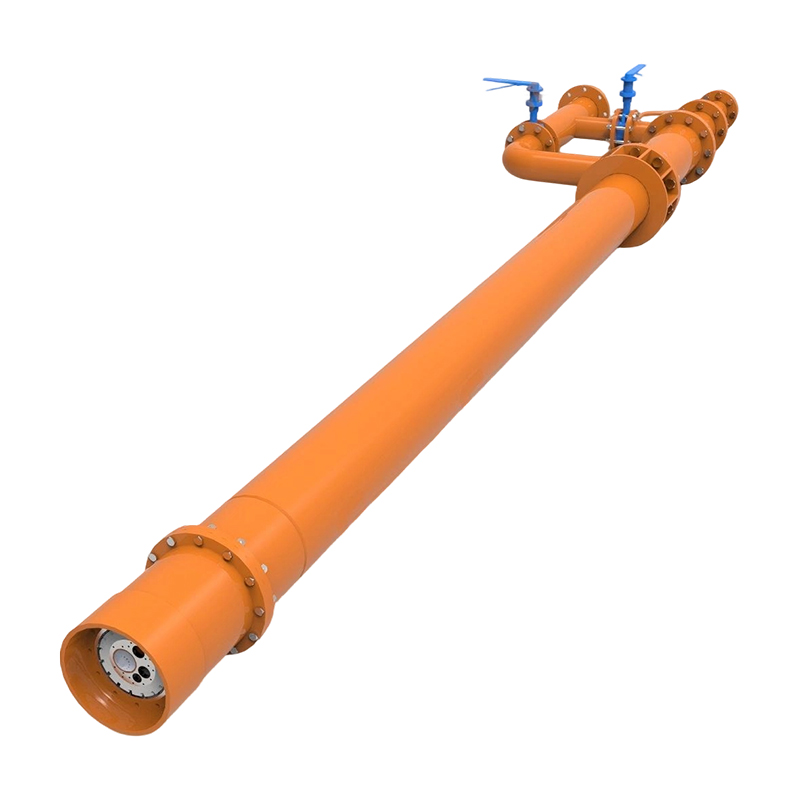
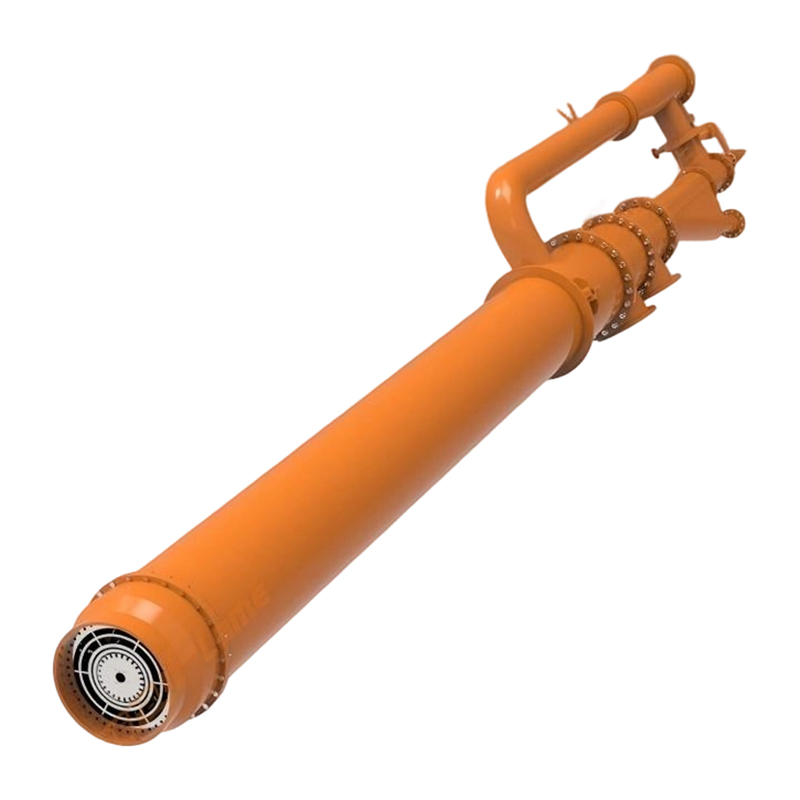
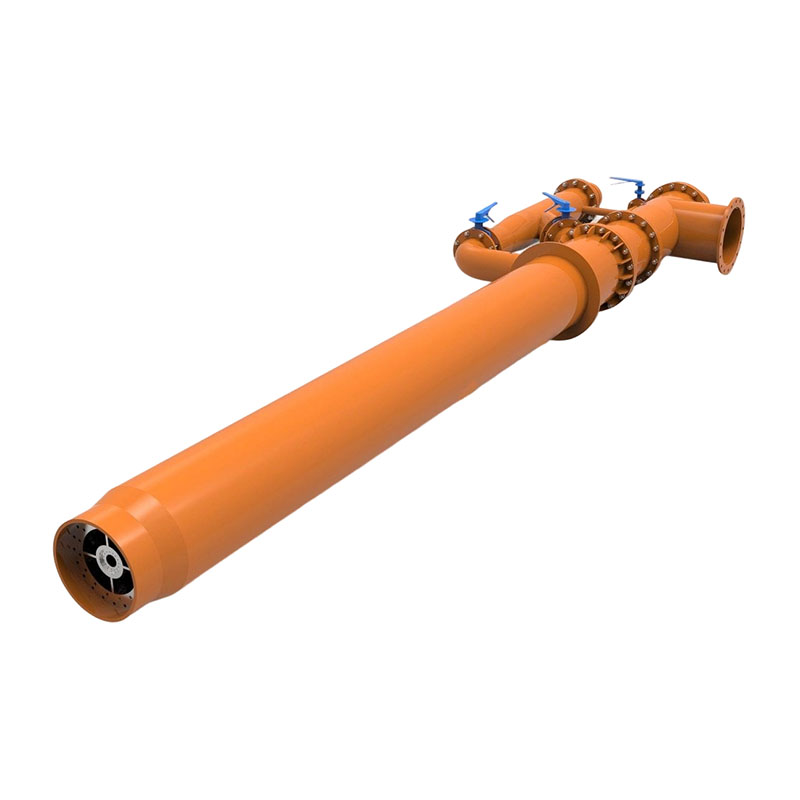
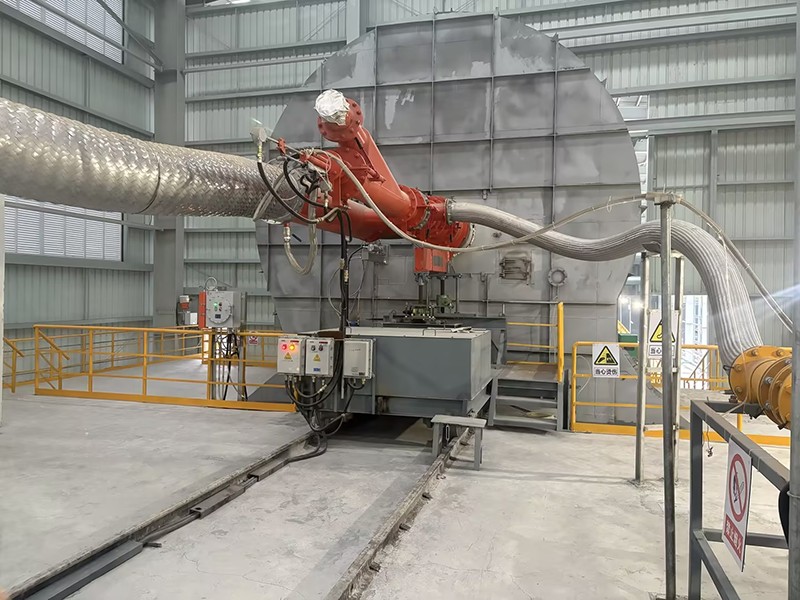
A liquid fuel burner is a high-precision industrial device designed to convert liquid fuels such as diesel, fuel oil, or liquefied petroleum oil into thermal energy through controlled combustion. It is widely used in industrial furnaces, boilers, dryers, heat treatment equipment, and large-scale heating systems, serving as a vital component for energy production in numerous industrial sectors. The primary function of a liquid fuel burner is to achieve efficient and stable combustion while maintaining operational safety and environmental compliance.
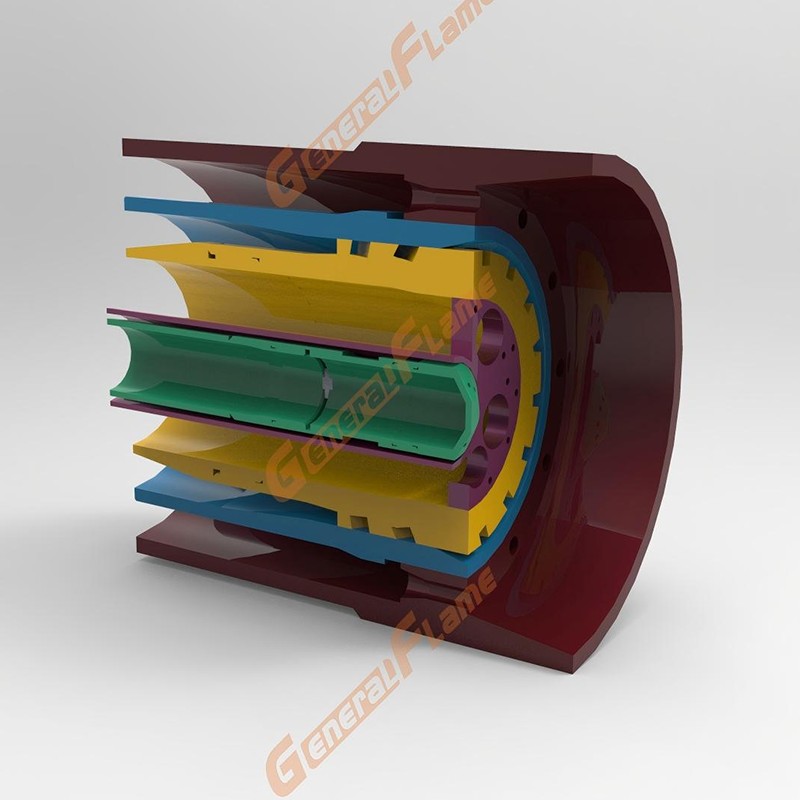
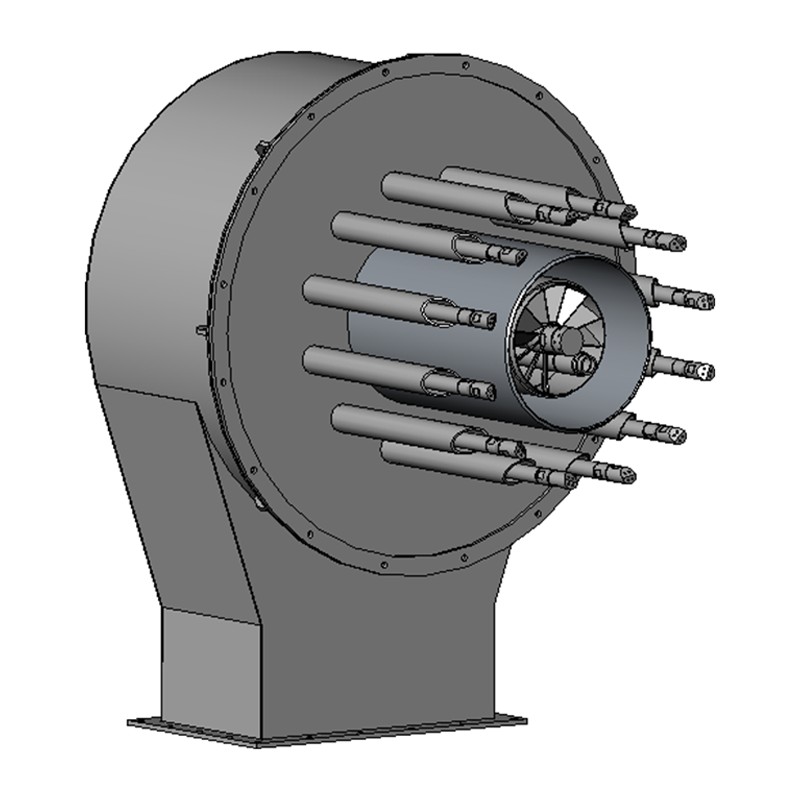
The core working principle of a liquid fuel burner involves several key stages. Initially, the liquid fuel is delivered through a fuel pump to the burner nozzle. The nozzle atomizes the liquid into fine droplets, allowing the fuel to mix uniformly with air, which is essential for complete and efficient combustion. A fan or forced-air system is usually incorporated to supply the necessary oxygen, enabling optimal fuel-air mixing. The combustion process is carefully controlled by adjusting the fuel flow, air supply, and burner nozzle configuration. This ensures high thermal efficiency while minimizing emissions.
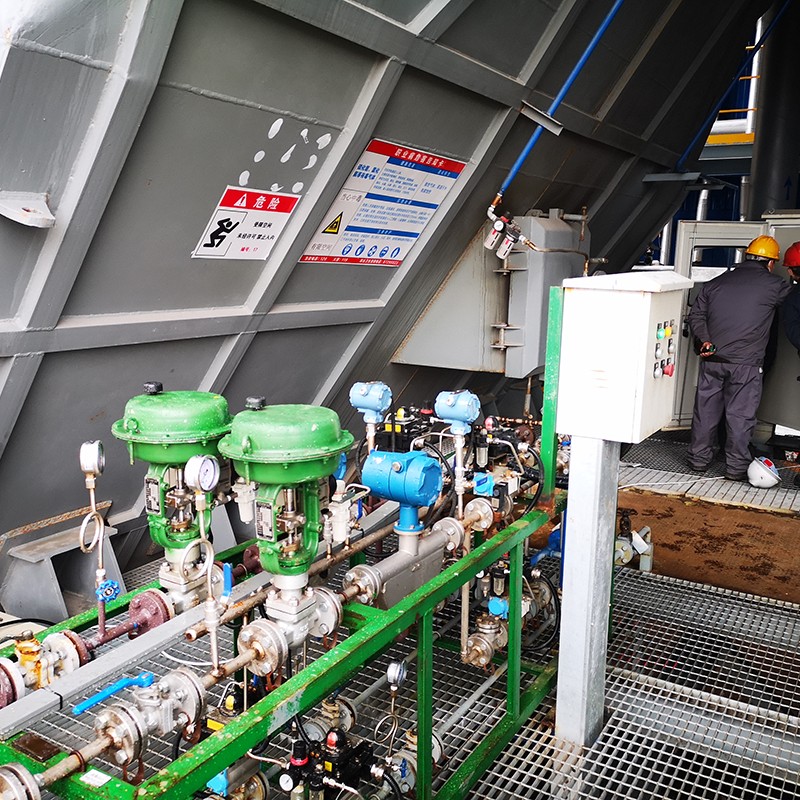
Safety is another critical factor in liquid fuel burner design. Considering the high-pressure atomization and high-temperature combustion involved, precautions against backfire, leakage, and explosion are mandatory. Modern burners often include safety interlocks, flame detection sensors, and automatic shut-off mechanisms to reduce operational risks.
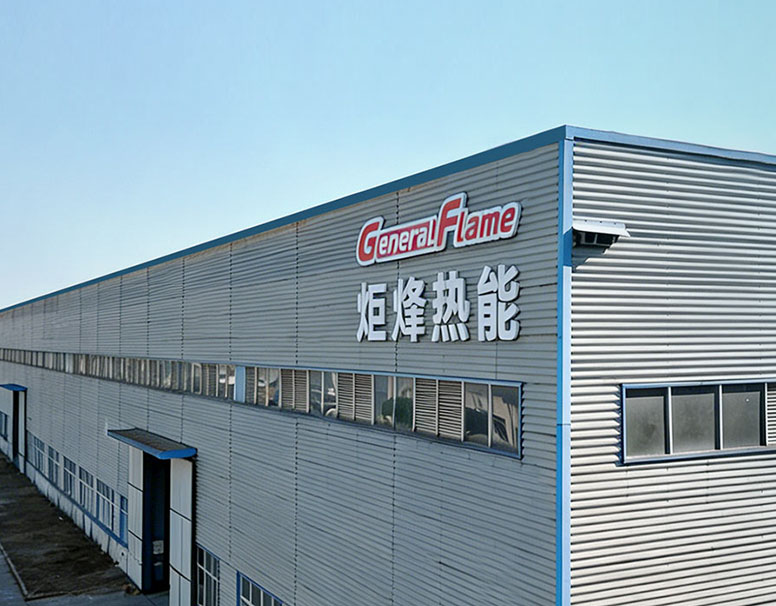
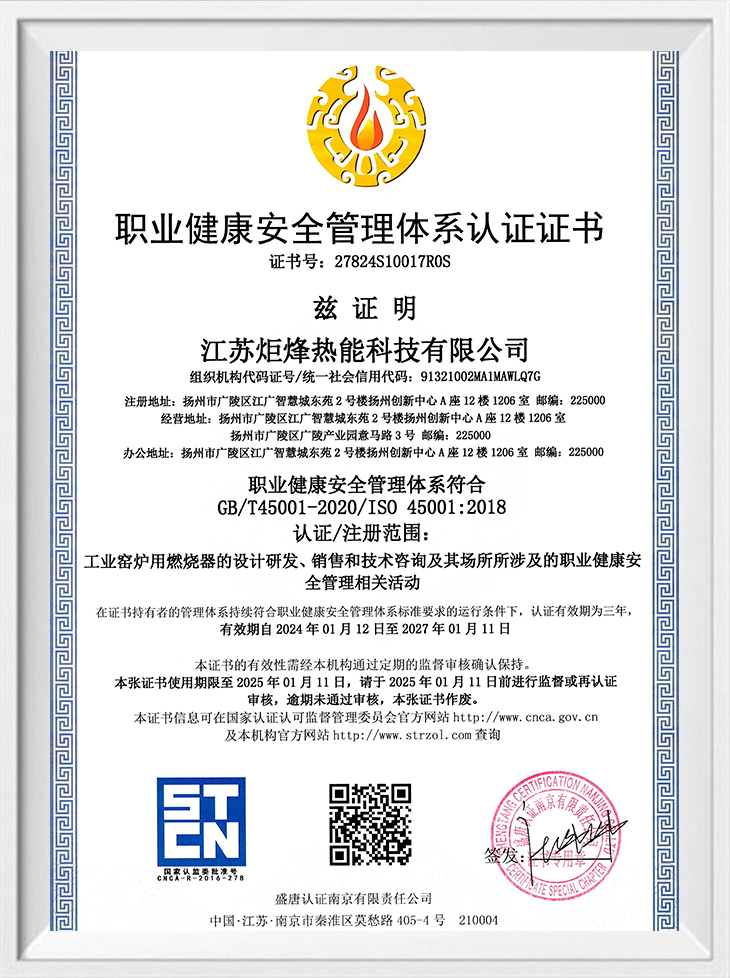
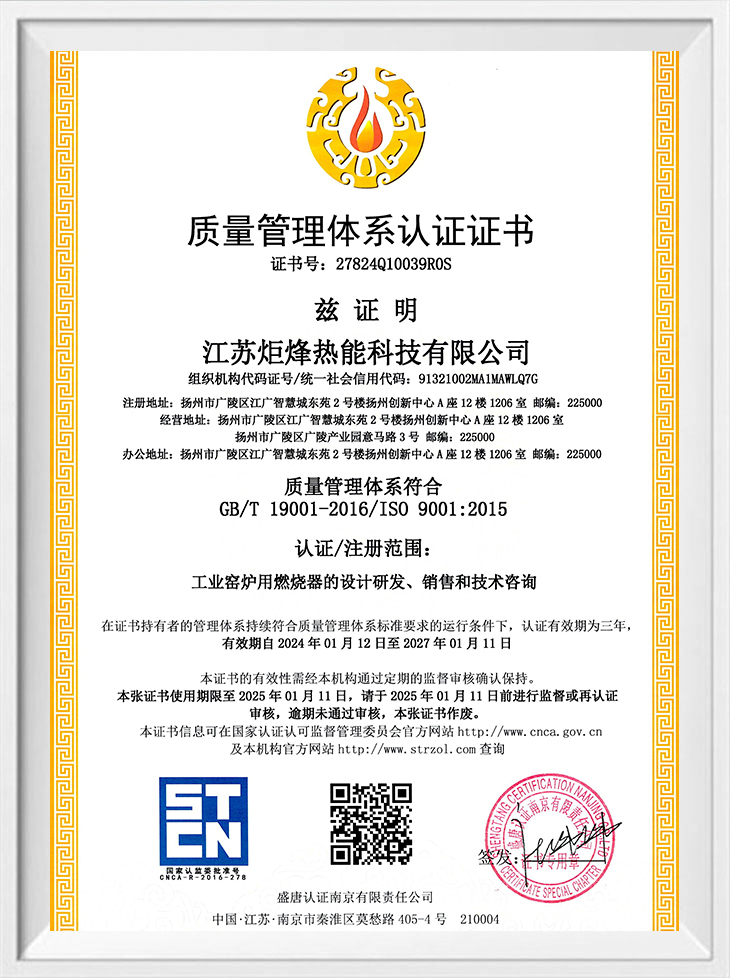
As a leading manufacturer, Jiangsu Jufeng Thermal Technology Co.,Ltd specializes in the design, production, and supply of customized liquid fuel burners. We provide a wide range of burners tailored to client specifications, including varying capacities, fuel types, and operational requirements. Our in-house research and development team continuously innovates nozzle designs and combustion control systems to optimize efficiency, reduce fuel consumption, and ensure long-term reliability.
| Key Parameters | Typical Range | Description |
|---|---|---|
| Fuel Types | Diesel, Fuel Oil, LPG | Can be customized based on client requirements |
| Output Power | 50 kW – 5000 kW | Suitable for industrial furnaces and boilers |
| Combustion Efficiency | 85% – 95% | Optimized through advanced atomization and air-fuel mixing |
| Safety Standards | CE, ISO, Flame Arrestors | Ensures compliance with industrial safety regulations |
Industrial Applications and Advantages of Liquid Fuel Burners
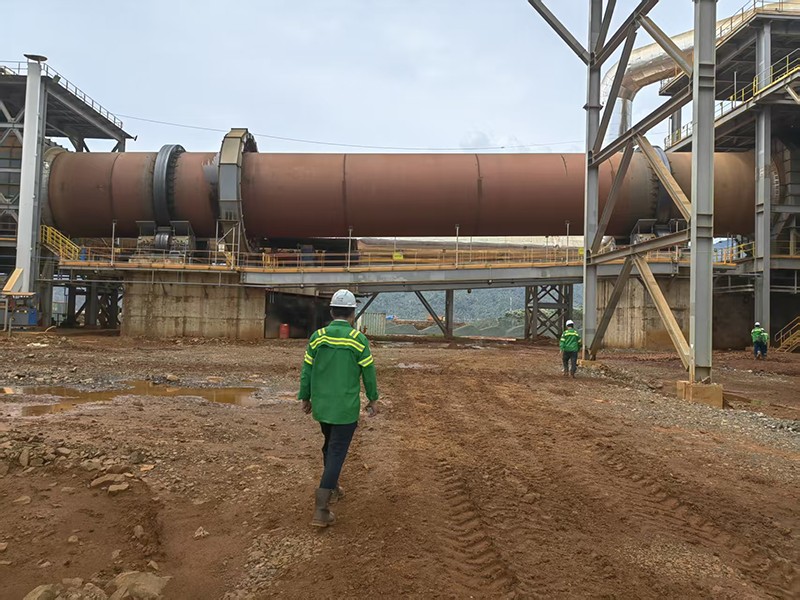
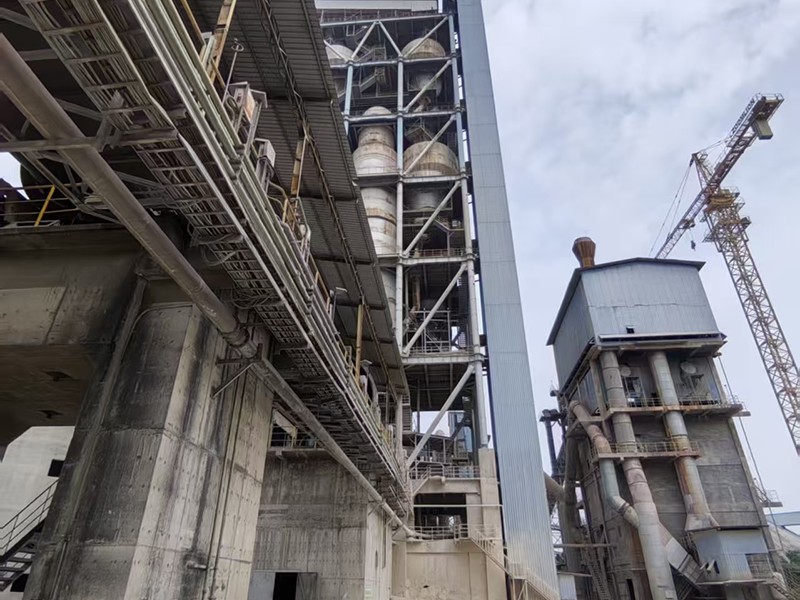
Liquid fuel burners play a critical role in modern industrial operations by providing a reliable and controllable heat source. Their applications span multiple sectors including metallurgy, ceramics, chemical processing, food production, and paper manufacturing. For example, in steel production, liquid fuel burners deliver uniform high temperatures, ensuring precise furnace temperature control and improved material quality. In the ceramic industry, they offer consistent high-temperature environments necessary for optimal product sintering and durability.
Compared to solid or gaseous fuel burners, liquid fuel burners have significant advantages. Firstly, they provide flexible load control, allowing industries to operate under varying thermal demands efficiently. Secondly, liquid fuel burners generally offer cleaner combustion with lower particulate emissions, supporting environmentally-friendly operations. Additionally, liquid fuels are easier to store and transport, making these burners ideal for remote locations or industries with limited energy infrastructure.
Jiangsu Jufeng Thermal Technology Co.,Ltd emphasizes customization and intelligent control in our liquid fuel burners. Our burners incorporate automated systems that dynamically adjust fuel flow, air supply, and combustion temperature based on operational needs. This not only enhances energy efficiency but also reduces operational costs. Using high-quality heat-resistant alloys and precision-engineered nozzles, our burners achieve long service life and consistent performance even under demanding industrial conditions.
| Industry | Advantages | Application Example |
|---|---|---|
| Steel & Metallurgy | Stable high-temperature combustion | Precise furnace temperature control for steel smelting |
| Ceramics | High efficiency, energy-saving | Optimal sintering for durable ceramic products |
| Food Processing | Temperature control, flexibility | Used in baking, drying, and heat treatment processes |
| Chemical Industry | Safe, low emissions | Provides consistent heating for chemical reactors |
Technological Trends and Innovations in Liquid Fuel Burners
The liquid fuel burner industry is rapidly evolving to meet demands for higher efficiency, lower emissions, and smarter operation. Modern burners increasingly integrate low-NOx combustion technology, pre-mixed flame designs, and advanced atomization systems to reduce pollutants while maintaining high thermal output. These innovations allow industries to comply with stricter environmental regulations and achieve sustainable operations.
Digitalization and smart control are shaping the next generation of liquid fuel burners. Advanced monitoring systems allow real-time tracking of combustion temperature, fuel consumption, and emission levels. Remote monitoring and automated control systems enable operators to optimize combustion parameters, reduce human intervention, and minimize downtime. Predictive maintenance features further enhance operational reliability and extend the service life of the equipment.
At Jiangsu Jufeng Thermal Technology Co.,Ltd, we combine decades of manufacturing experience with modern technological innovation to produce intelligent liquid fuel burners. Our products support multiple fuel types and automatically adjust combustion parameters according to operational conditions, achieving optimal efficiency under various workloads. Additionally, we provide comprehensive after-sales services, including installation, commissioning, technical training, and periodic maintenance, ensuring customers benefit from maximum performance and reliability.
| Technological Trend | Key Features | Customer Benefits |
|---|---|---|
| High-Efficiency Combustion | Optimized nozzle atomization, precise air-fuel ratio | Energy savings, increased productivity |
| Low Emission Technology | Low-NOx, pre-mix flame | Environmental compliance, reduced pollutants |
| Smart Control Systems | Real-time monitoring, automation | Lower labor costs, operational safety |
| Multi-Fuel Compatibility | Diesel, fuel oil, LPG | Flexibility and adaptability to different industrial needs |