Content
Cement plants may look like a collection of towers, ducts and rotating drums, but at the heart of the entire process sits one piece of equipment: the cement kiln. The kiln is where raw meal actually becomes clinker, and understanding how it works is the first step toward operating it efficiently. In this guide, we walk through the working principle of a modern cement rotary kiln, the different zones inside the shell, and the role the burner plays in delivering the heat that drives the whole reaction.
A cement kiln is essentially a large, slightly inclined steel cylinder lined with refractory bricks. It rotates slowly, typically at 1 to 4 revolutions per minute, and the slight slope, usually around 3 to 5%, uses gravity to pull the material toward the discharge end. Raw meal is fed into the upper end, called the kiln inlet, while fuel is fired from the lower hood. The hot combustion gases move upward against the flow of solid material, while the material itself slowly moves downward. This counter-current flow releases heat to the meal step by step and creates the very high temperatures required for clinker formation, around 1450°C in the burning zone.
Rotation does more than move the material. It continuously exposes new surfaces to the hot gas, improves heat transfer, and helps the fine meal roll into granular nodules that eventually densify into clinker. This rolling motion also gives operators a way to control residence time by adjusting kiln speed, which is one of the basic tools of kiln operation.
The refractory lining protects the steel shell from temperatures above 1000°C and also helps retain heat. Selecting the right refractory and monitoring its condition is important, but the most common cause of refractory damage is an unstable flame that creates local overheating.
Before it reaches the rotary kiln, most of the raw meal has already been dried in the preheater tower and partially calcined in the precalciner. Still, the kiln remains responsible for the critical final reactions. The clinker formation process inside the kiln can be divided into a few overlapping temperature zones:
| Zone | Approx. material temperature | Main process |
|---|---|---|
| Calcination zone | 900–1100°C | Decomposition of CaCO₃ into CaO and CO₂ |
| Transition zone | 1100–1300°C | Formation of C₂S and early liquid phase |
| Burning zone | 1300–1450°C | Formation of C₃S (alite) and clinker nodules |
| Cooling zone | 1200–1300°C | Crystallization and preparation for the cooler |
After the calcination zone, the material enters the transition zone where solid-state reactions start and the first liquid phase appears. In the burning zone, the temperature climbs high enough for tricalcium silicate, the main strength-giving mineral, to form. Beyond that, the material passes through a shorter cooling zone at the discharge end, where some crystallization takes place before the clinker drops into the grate cooler.
The final clinker consists mainly of four minerals: tricalcium silicate (C₃S), dicalcium silicate (C₂S), tricalcium aluminate (C₃A) and tetracalcium aluminoferrite (C₄AF). C₃S, which forms in the burning zone, is largely responsible for early strength; C₂S contributes to later strength. C₃A and C₄AF form in smaller amounts and influence setting behaviour. This mineral balance depends on both the raw mix and the thermal profile in the kiln.
Clinker chemistry is not just about maximum temperature; time at temperature matters too. Operators usually think in terms of burning zone temperature, back-end temperature, oxygen level and kiln torque because those four signals tell them where the boundaries of the zones actually are.
Now we come to the component that makes the whole reaction possible: the burner. The burner is where fuel is injected and mixed with combustion air, producing a flame with a core temperature that can exceed 2000°C. Because this flame starts at the discharge end, its shape and stability directly control the location of the burning zone.
A modern rotary kiln burner is much more than a fuel pipe. It uses multiple channels for primary air, fuel and adjustments, allowing the operator to change flame length, momentum and divergence without stopping the kiln. The ability to shape the flame is important because a short, intense flame suits a smaller burning zone, while a longer flame better spreads heat through the kiln and may be preferred for certain raw mixes.
Fuel flexibility is another key consideration. Cement kilns today burn a wide range of fuels, including:
Each fuel has different ignition behaviour, volatile release and flame emissivity, so the burner has to be designed for the actual fuel mix. A well-calibrated multi-channel burner can switch between fuels with minimal disruption.
At GeneralFlame, we have supplied burners for kilns in cement, lime and metallurgical plants, and we have learned that the flame must be matched not only to the fuel but also to the kiln diameter, temperature profile and even the raw meal chemistry.
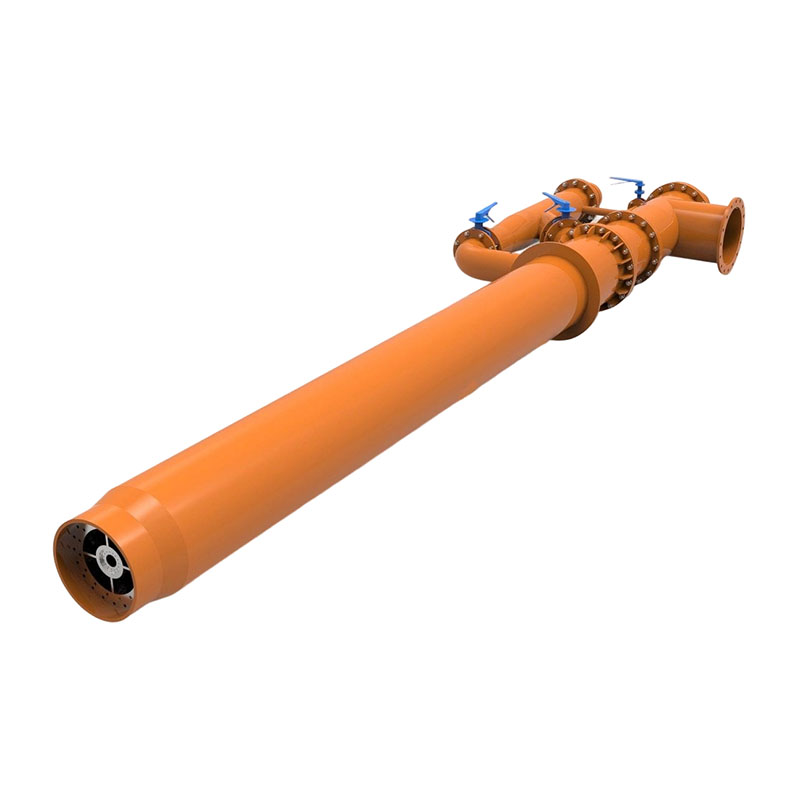
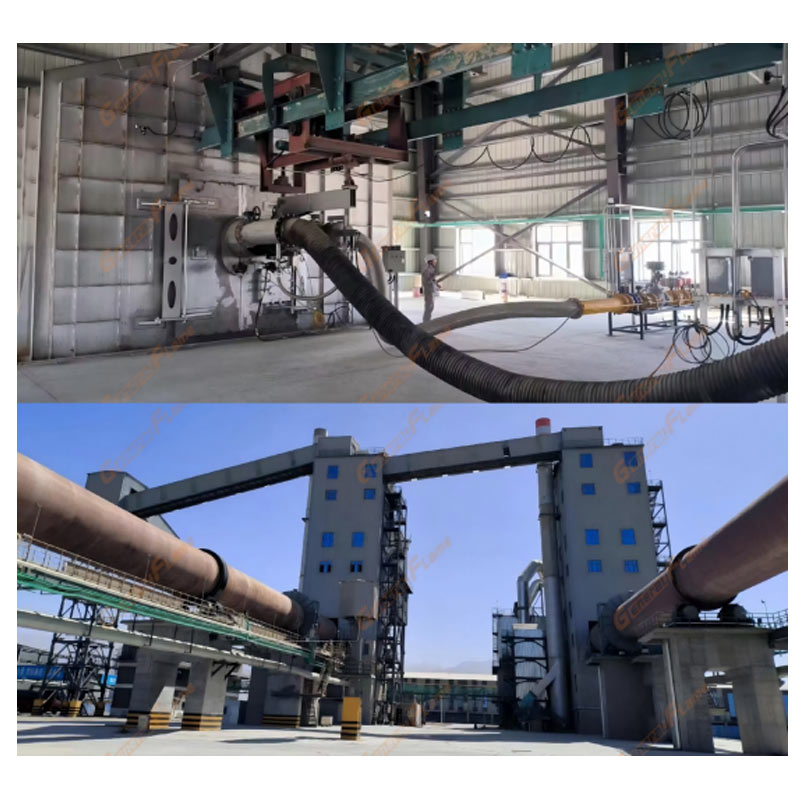 Rotary Kiln Burner with Patented ALVS AdjustabilityExplore GeneralFlame's rotary kiln burner, featuring the patented ALVS design for precise flame control and multi-fuel flexibility across various industrial applications.View Product →
The kiln does not work in isolation. A typical modern cement kiln system starts with the preheater tower and ends with the clinker cooler. In the preheater tower, hot kiln gases heat the raw meal from around 20°C to over 800°C. In the precalciner, a separate combustion chamber can burn up to 60% of the total fuel, calcining the raw meal to around 90% before it enters the rotary kiln. This reduces the thermal load on the kiln and makes the whole system more compact and efficient.
At the discharge end, the grate cooler does the opposite job of the preheater. Hot clinker at around 1400°C enters the cooler, and air blown through the grate rapidly cools it to 100–200°C. Fast cooling preserves the reactive C₃S phase, limits crystal growth and improves the grindability of the clinker. The hot air leaving the cooler is recovered as secondary and tertiary air for the kiln and precalciner burners, which significantly improves fuel economy.
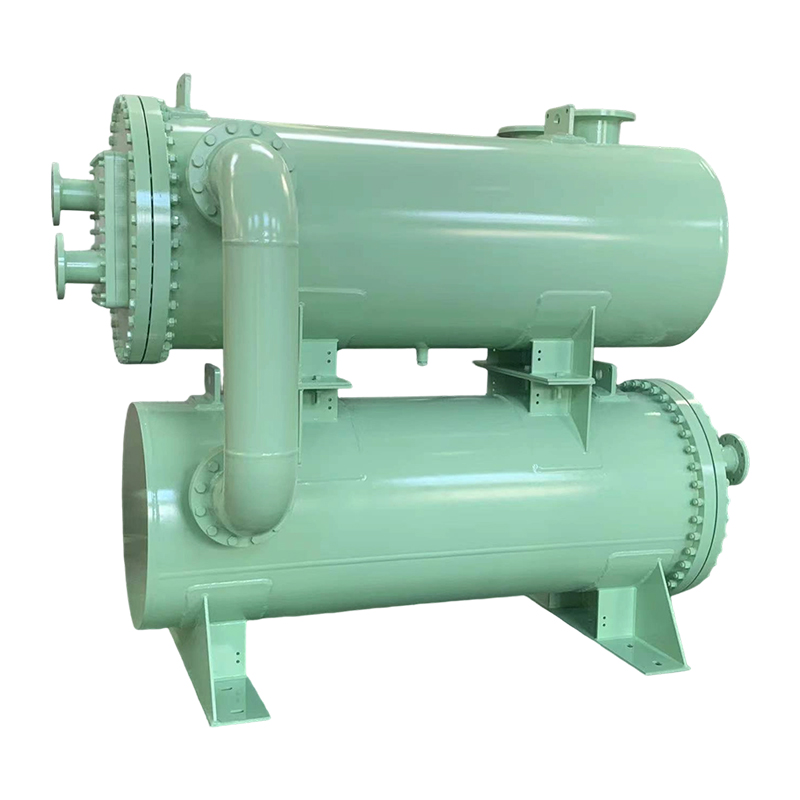
 Grate Cooler for Rapid Clinker Cooling and Heat RecoveryThis grate cooler rapidly drops clinker temperature while recovering hot secondary air, boosting kiln output by 20% and improving overall energy efficiency.View Product →
In a modern kiln line, the burner is often tied into a combustion management system that automatically adjusts fuel and air to keep the flame within the target envelope. Operators may still fine-tune the burner manually, but integrated control makes the whole process much more repeatable.
Even when a kiln is well designed, small shifts in feed, fuel or draft can upset the thermal profile. Common signs include ring formation, coating collapse, red spots on the shell and high free lime in the clinker. Ring formation is often caused by a combination of sticky material and unstable temperature in the transition zone. If the flame is too close to the material or too short, it can overheat the refractory and weaken the coating. If the flame is too long, heat is carried into the back end and the burning zone becomes sluggish. That is why flame control is central to kiln stability.
Operators can see many of these problems developing through changes in burning zone temperature, kiln drive torque and oxygen concentration. Catching them early saves fuel, maximises refractory life and avoids unscheduled stops. For a more detailed look at different rotary kiln burner types and design parameters, see this rotary kiln burner guide.
For plants under environmental pressure, the burner can also make a big difference. Low-NOx burners use internally staged air to create a cooler reducing zone near the flame root, which lowers thermal NOx without extra process changes.
 Low-NOx Burner with Stable Emissions and Smart ControlDesigned for stringent environmental compliance, this low-NOx burner achieves under 30 mg/m³ emissions with PLC monitoring and adaptable modular sizing.View Product →
Understanding how a cement kiln works is essential, but applying that knowledge to real operation is where value is created. The burner is one of the few components you can change without rebuilding the kiln, and the right choice can improve fuel flexibility, reduce emissions and stabilise clinker quality.
We at GeneralFlame have spent years designing and manufacturing industrial burners for rotary kilns in cement, lime, metals and chemical plants. If you are planning a new kiln line or upgrading an existing one, our engineering team can help you review the flame, fuel and operating envelope. Contact us to discuss your kiln's specific requirements.


 OEM/ODM High-Performance Combustion & Thermal Equipment Manufacturers
 English
 русский
 Français
 Español
 عربى