English
 русский
 Français
 Español
 عربى
عربى


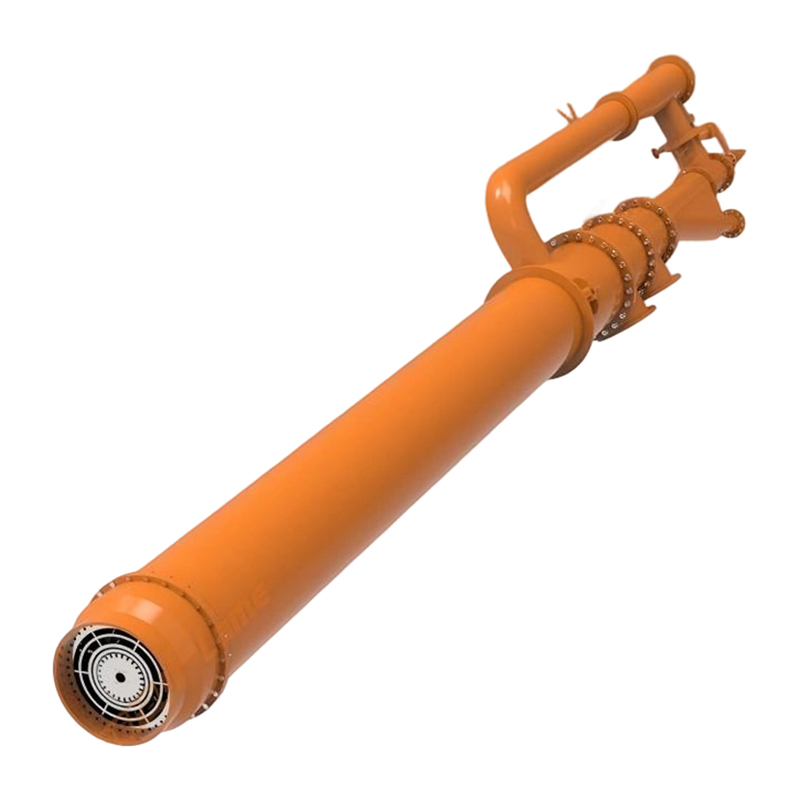
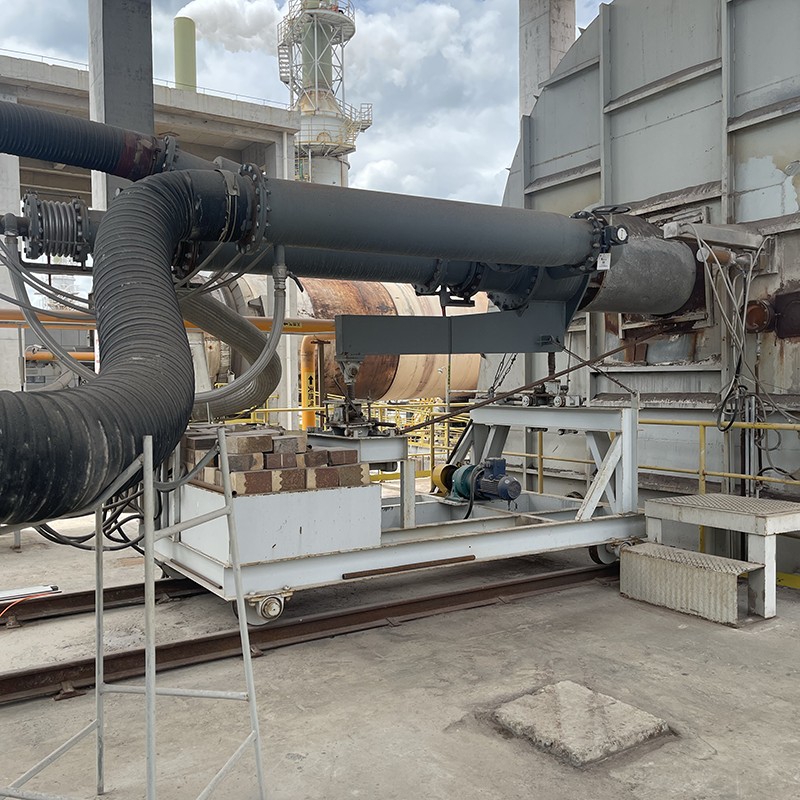


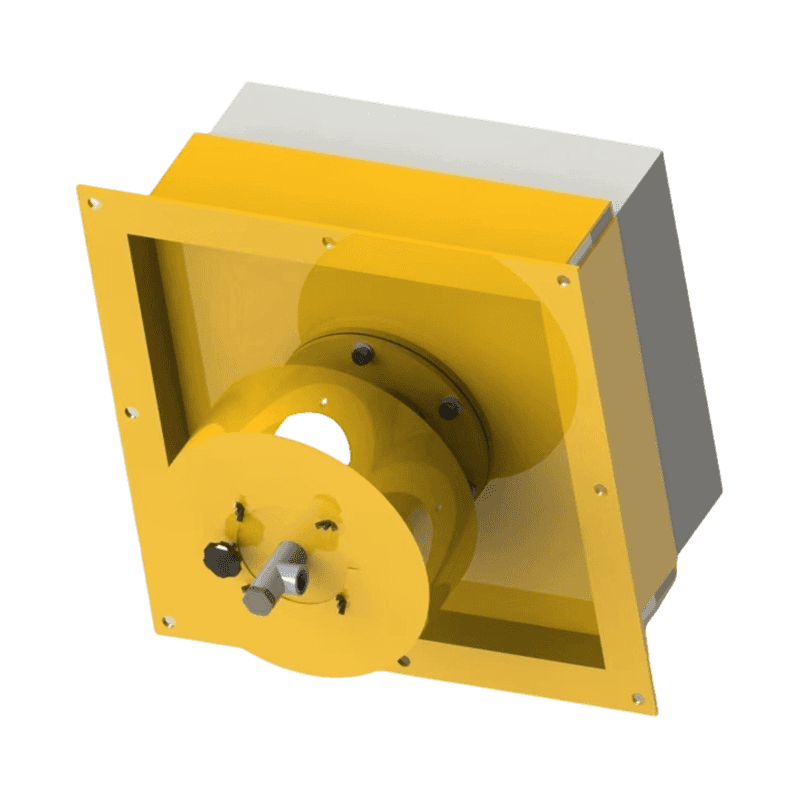
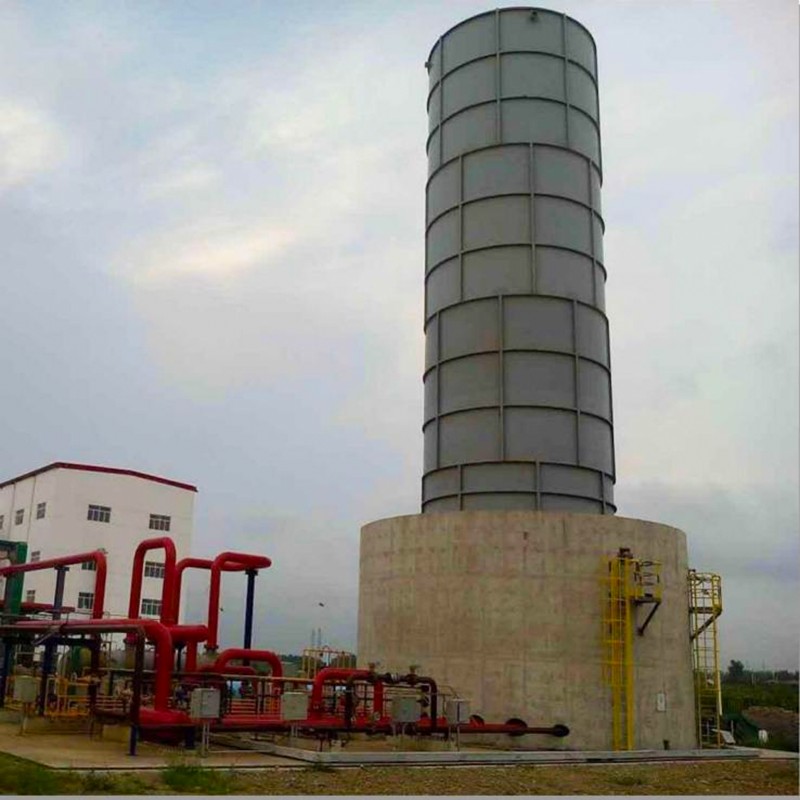
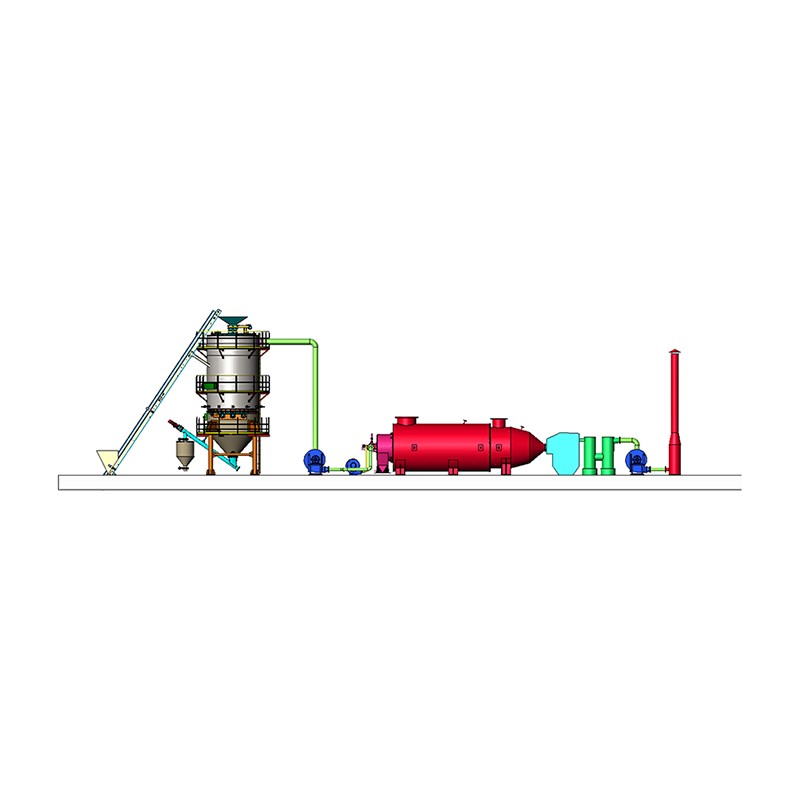
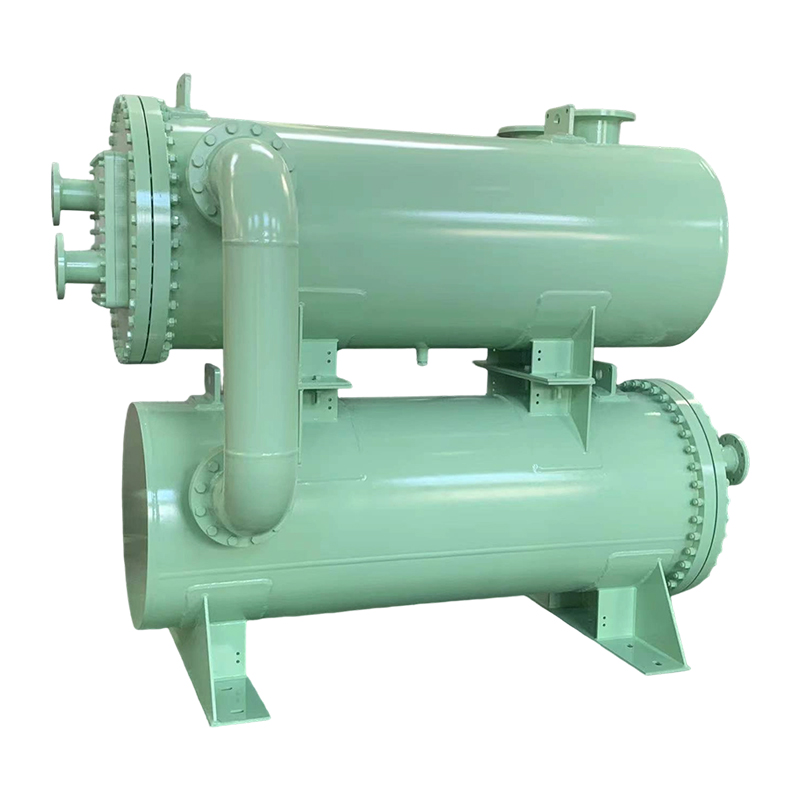
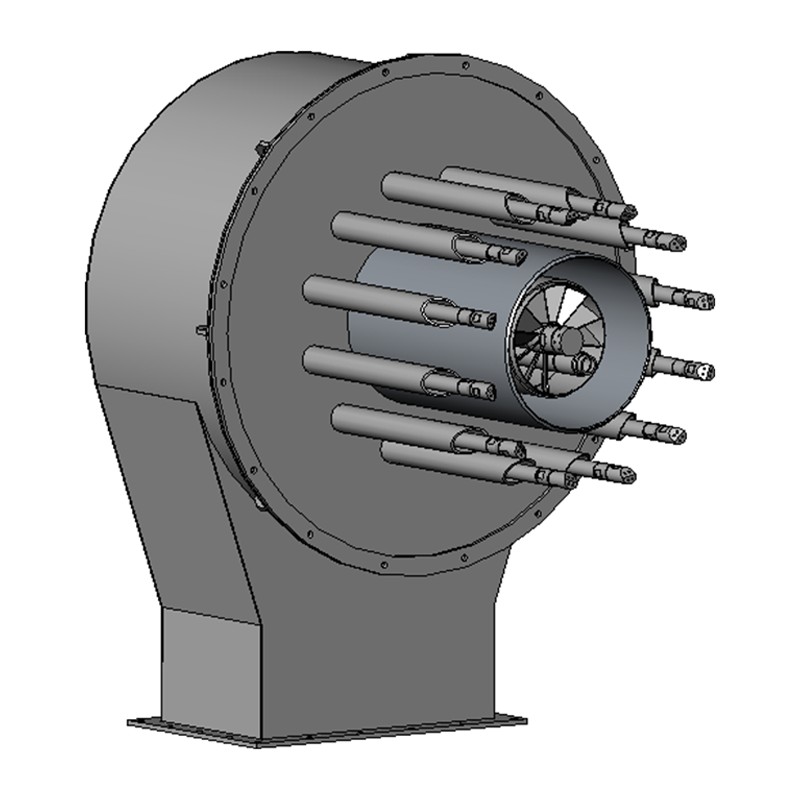
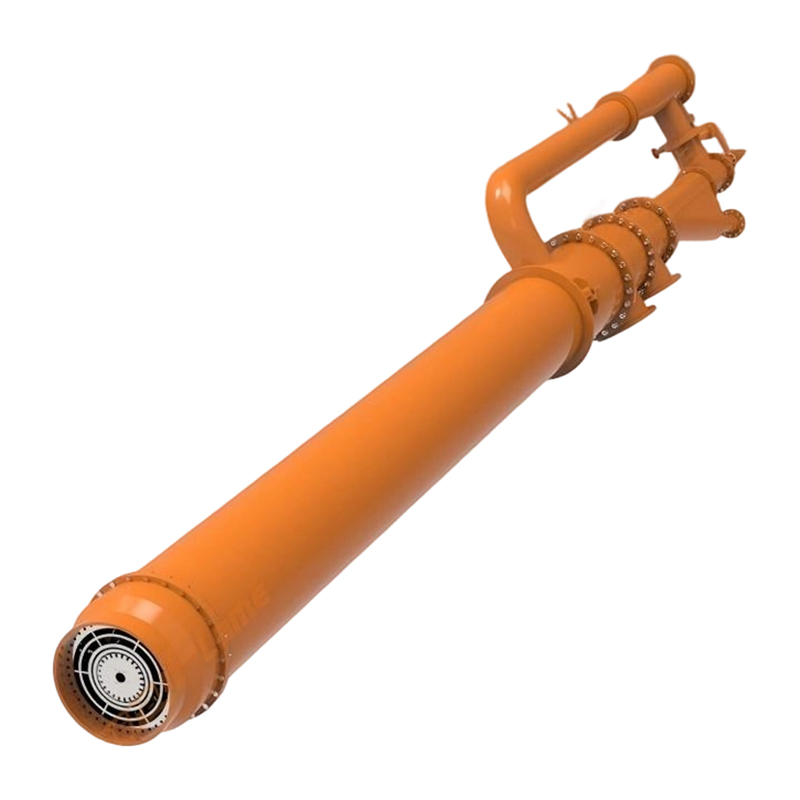
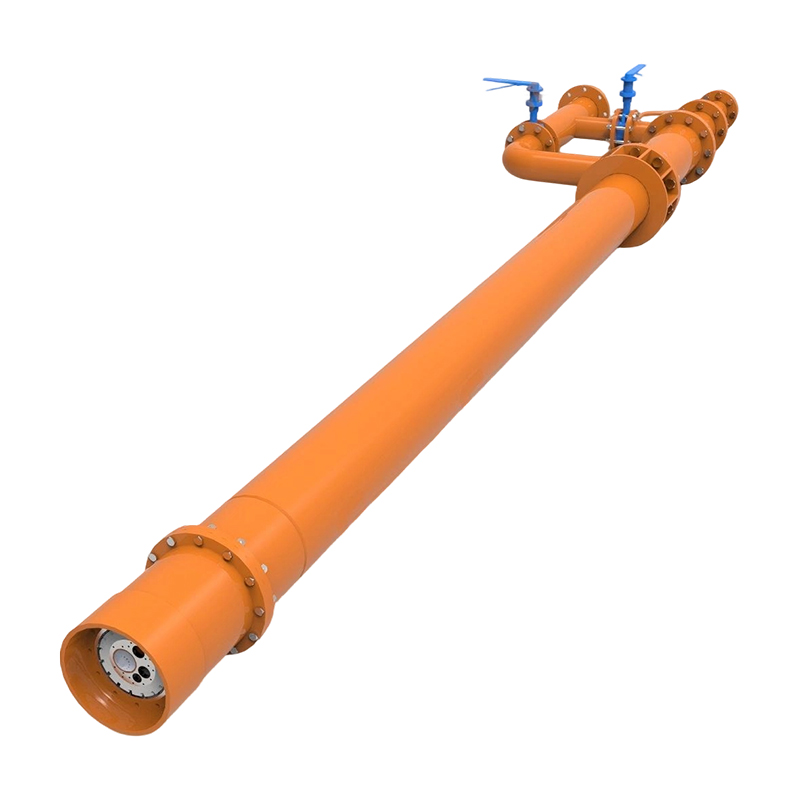
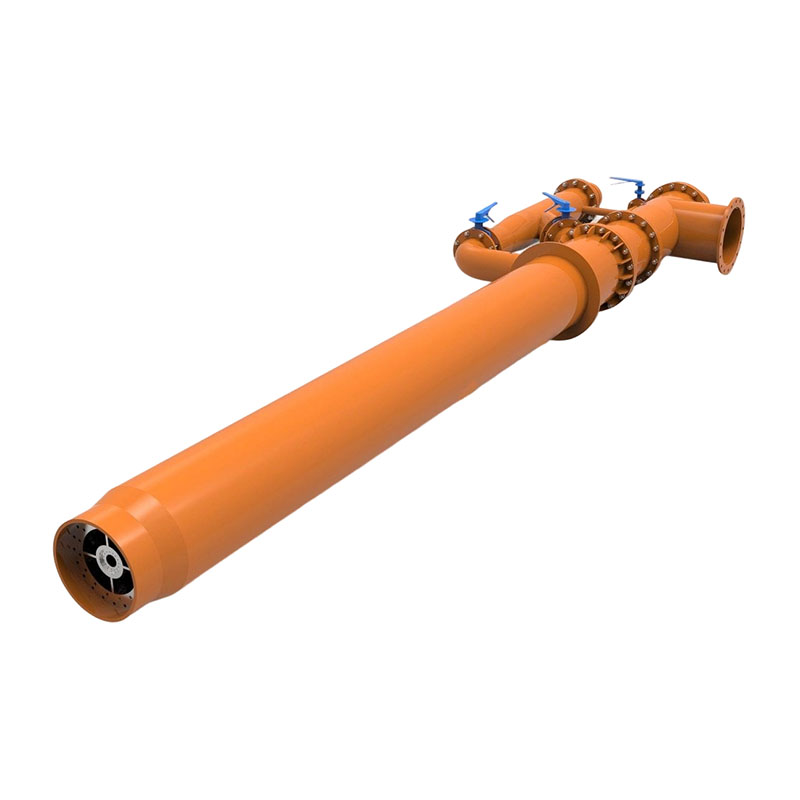




What Is a Multiple Fuel Co-Combustion Burner and How Does It Work?
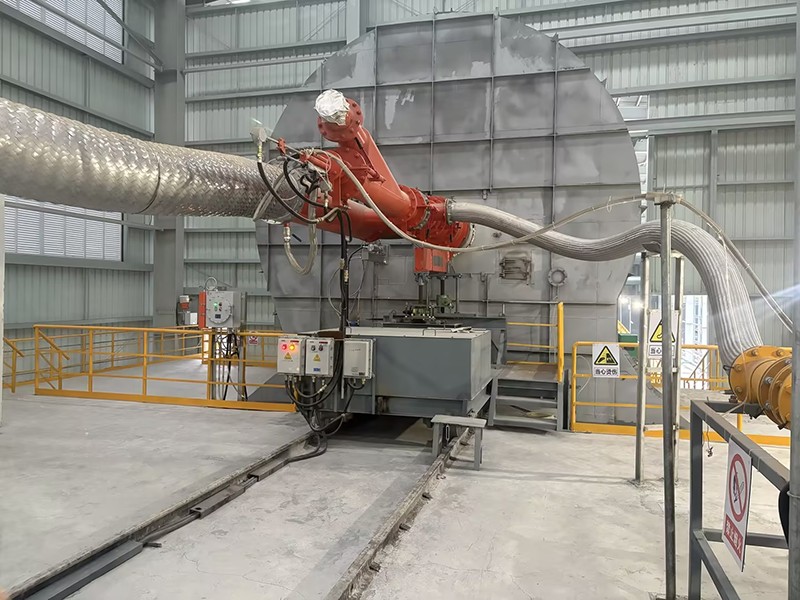
A Multiple Fuel Co-Combustion Burner is a sophisticated industrial device engineered to burn two or more types of fuels either simultaneously or sequentially. Unlike conventional single-fuel burners, these burners allow the simultaneous utilization of fuels such as natural gas, fuel oil, coal slurry, and biomass. This flexibility provides industries with significant advantages, including optimized energy efficiency, cost reduction, and minimized environmental impact. By combining fuels, the burner ensures a stable flame, higher thermal output, and more complete combustion compared to single-fuel alternatives.
The operational principle of a co-combustion burner involves carefully controlled fuel mixing and precision air distribution. High-quality sensors monitor parameters such as flame temperature, oxygen content, and exhaust emissions. These sensors are connected to a programmable logic controller (PLC) system that continuously adjusts fuel flow rates and air supply to maintain optimal combustion conditions. This dynamic adjustment allows plants to respond to variations in fuel quality or availability, ensuring uninterrupted production and consistent energy output.
In addition, multiple fuel burners are often equipped with advanced nozzle designs to enhance fuel atomization and mixing. For instance, biomass particles can be pre-treated and atomized to ensure even combustion alongside liquid fuels like fuel oil. This level of engineering is critical for industries such as power generation, cement production, and chemical processing, where stable and efficient heat production is vital.
| Parameter | Description |
|---|---|
| Fuel Types | Natural gas, fuel oil, biomass, coal slurry, industrial waste fuels |
| Control Mechanism | Automated PLC control, oxygen sensors, flame monitoring, feedback loops |
| Applications | Industrial boilers, rotary kilns, furnaces, waste-to-energy plants |
| Efficiency | Can reach up to 92–95% thermal efficiency with optimized fuel mixing |
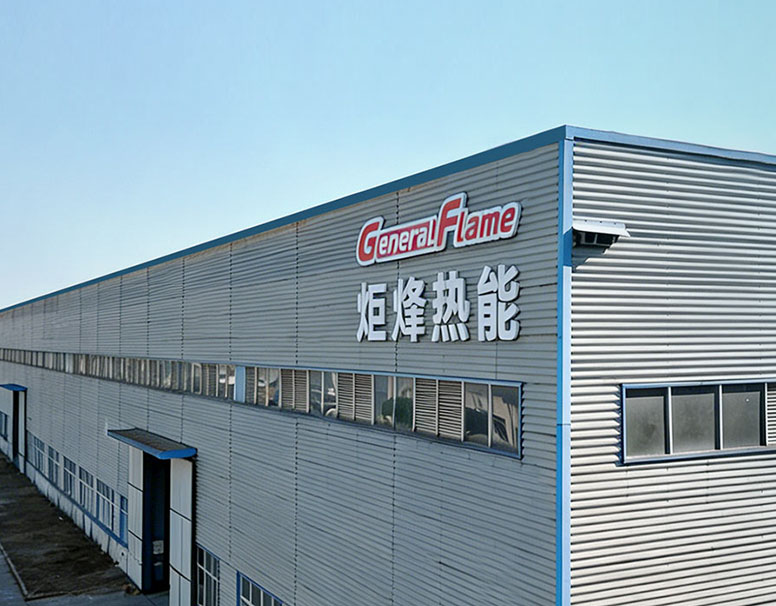
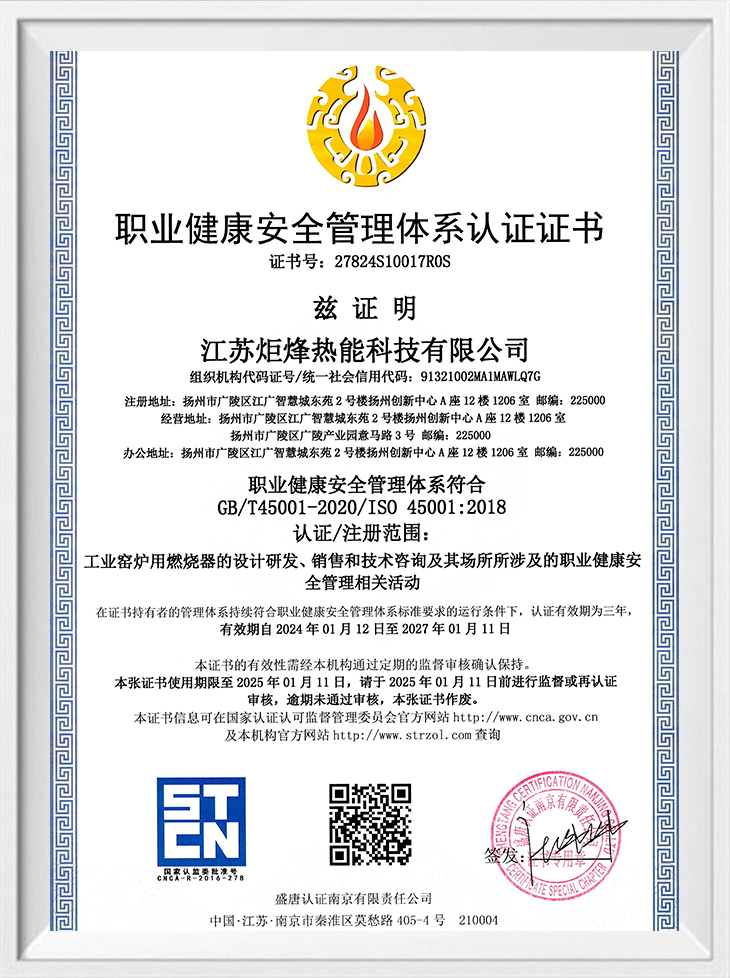
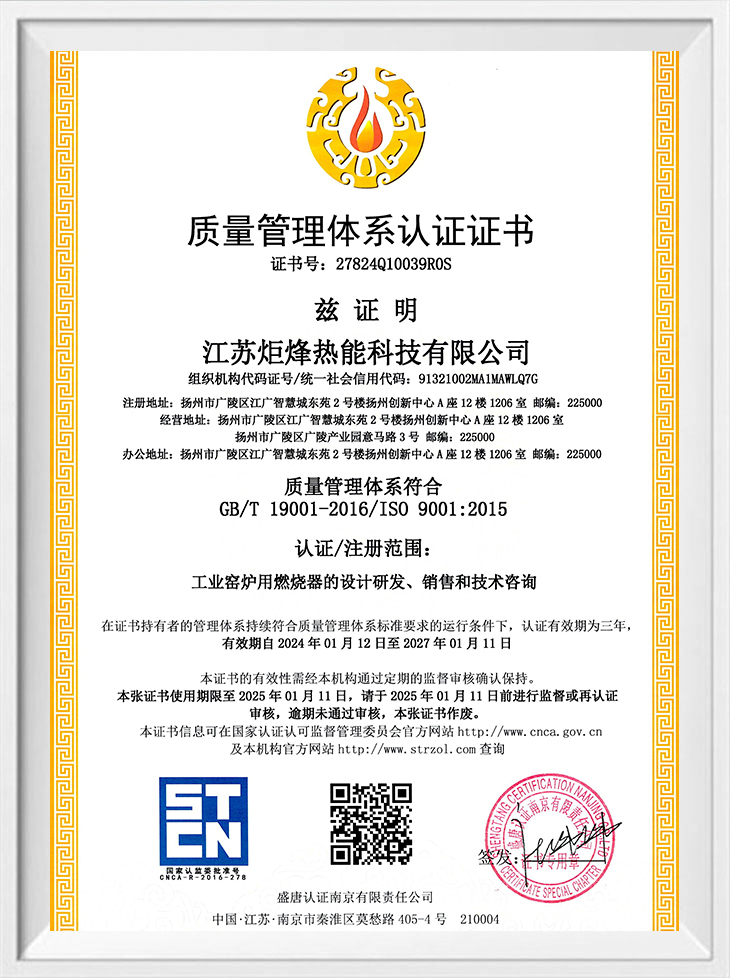
Jiangsu Jufeng Thermal Technology Co.,Ltd has extensive experience in designing and manufacturing multiple fuel co-combustion burners. Our R&D team continuously innovates to enhance fuel adaptability, flame stability, and emission control, providing industrial clients with reliable, high-performance solutions. Our products combine advanced technology with robust construction, making them ideal for demanding industrial environments.
Advantages of Using Multiple Fuel Co-Combustion Burners in Industry
The adoption of multiple fuel co-combustion burners is driven by several industrial benefits that address the dual challenges of reducing operational costs and meeting environmental regulations. One of the most significant advantages is fuel flexibility. Industries often face fluctuating fuel prices and supply inconsistencies. With a co-combustion system, plants can seamlessly combine low-cost fuels like biomass with conventional fuels such as natural gas or fuel oil, optimizing operational costs while maintaining uninterrupted production. This flexibility is particularly valuable for regions where renewable fuels are available seasonally.
Another advantage is enhanced energy efficiency. By optimizing fuel mixtures, industries can achieve higher thermal outputs with lower fuel consumption. Multiple fuel burners ensure complete combustion by controlling air-to-fuel ratios, temperature profiles, and fuel atomization. Incomplete combustion in conventional single-fuel burners leads to wasted energy and increased emissions, whereas co-combustion burners mitigate these inefficiencies.
Emission reduction is a further key benefit. By controlling combustion temperatures and fuel ratios, multiple fuel burners can significantly reduce the formation of nitrogen oxides (NOx), carbon monoxide (CO), and particulate matter. This makes them suitable for industries that must comply with stringent environmental standards, including EU and US regulations. Furthermore, these burners allow the use of cleaner renewable fuels, contributing to a sustainable energy strategy.
| Advantage | Benefit | Example |
|---|---|---|
| Fuel Flexibility | Lower operational costs and supply reliability | Co-burning biomass with natural gas |
| Enhanced Efficiency | Reduced fuel consumption and higher thermal output | Thermal efficiency > 90% |
| Emission Reduction | Compliance with environmental standards | NOx reduction by 30–50% |
At Jiangsu Jufeng Thermal Technology Co.,Ltd, our multiple fuel co-combustion burners are designed to provide long-term reliability while maximizing energy efficiency. We integrate state-of-the-art control systems and high-quality materials to ensure consistent performance, even under varying fuel types and industrial conditions. Our solutions help industries reduce fuel costs, minimize emissions, and achieve sustainable operation.
Key Applications and Industry Use Cases
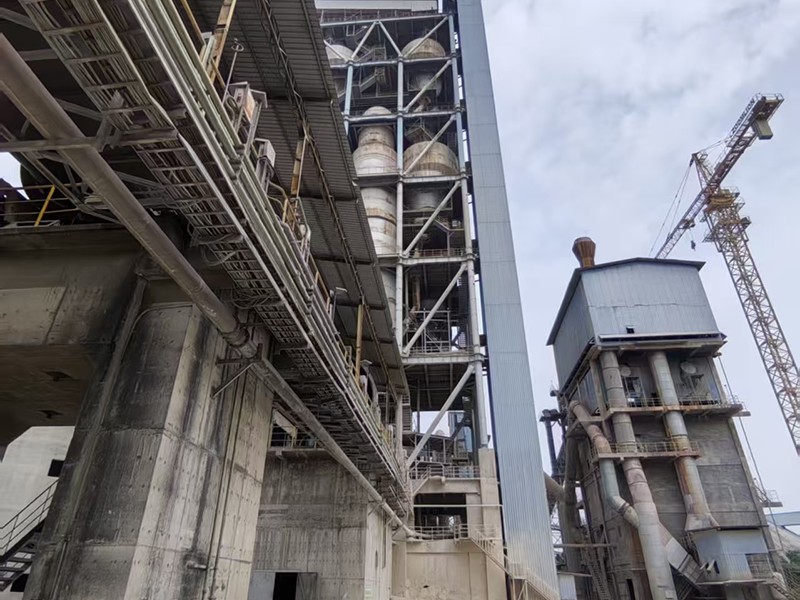
Multiple fuel co-combustion burners are widely used across various industries due to their flexibility, efficiency, and environmental advantages. In the power generation sector, these burners allow plants to switch between coal, natural gas, and renewable fuels depending on availability and cost. For instance, a biomass co-combustion system can reduce coal usage while maintaining steady electricity output, contributing to carbon footprint reduction and regulatory compliance.
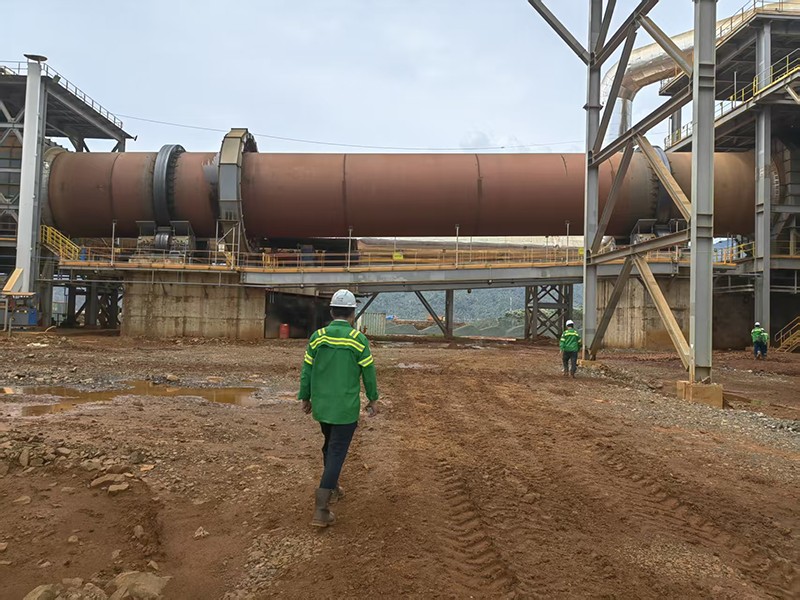
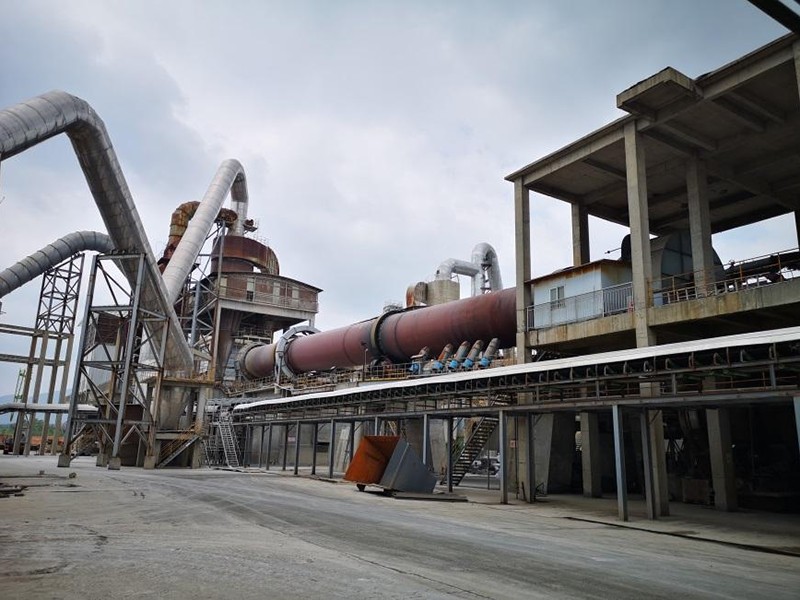
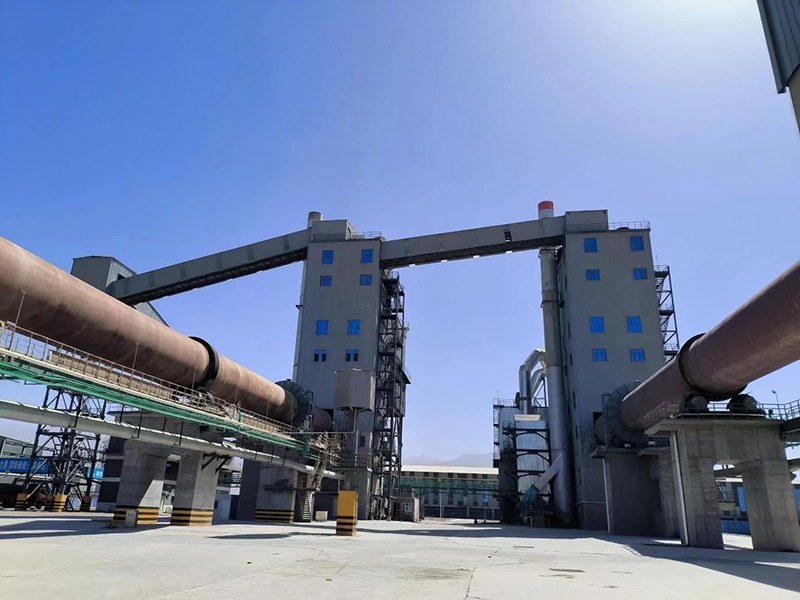
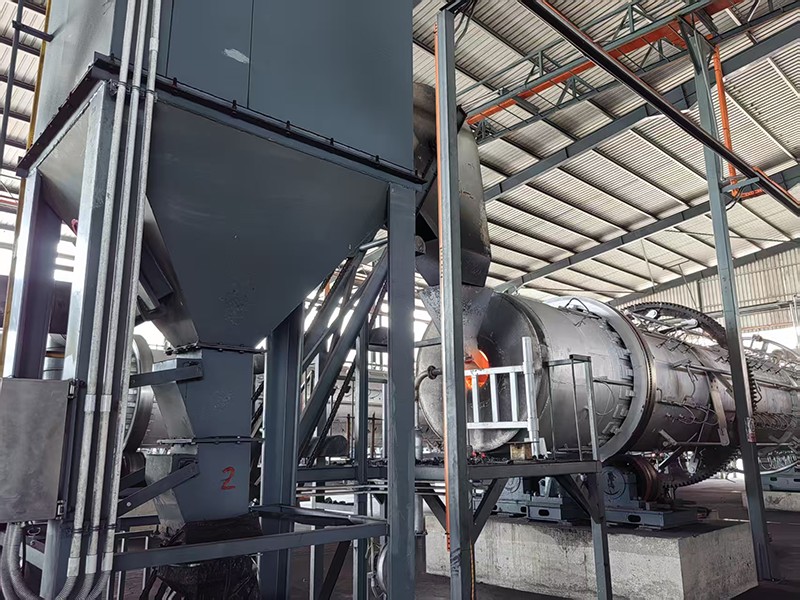
In the cement and mineral processing industry, rotary kilns require consistent high-temperature heat. Multiple fuel burners provide reliable thermal control while allowing the use of alternative fuels such as industrial waste or biomass. This approach reduces fuel costs, minimizes clinker production variations, and enhances overall energy efficiency.
Waste-to-energy plants also benefit from multiple fuel burners. These systems can safely and efficiently combust industrial waste, sewage sludge, or other combustible materials along with conventional fuels. The result is energy recovery from waste, reduced landfill dependency, and compliance with strict environmental guidelines.
In chemical and petrochemical processing, precise temperature control is essential. Multiple fuel co-combustion burners enable operators to adjust fuel ratios to maintain consistent process heat while optimizing fuel costs and minimizing harmful emissions.
| Industry | Application | Key Benefit |
|---|---|---|
| Power Generation | Industrial boilers | Fuel cost savings and flexible operation |
| Cement & Minerals | Rotary kilns | Consistent thermal control and reduced emissions |
| Waste-to-Energy | Incinerators | Sustainable fuel utilization and energy recovery |
| Chemical & Petrochemical | Process heating | Improved safety, precise temperature control, and energy efficiency |
At Jiangsu Jufeng Thermal Technology Co.,Ltd, we work closely with clients to develop customized co-combustion burner solutions for diverse industrial requirements. By integrating high-precision control systems and robust engineering design, our burners provide reliable performance, optimized energy consumption, and compliance with global emission standards.