
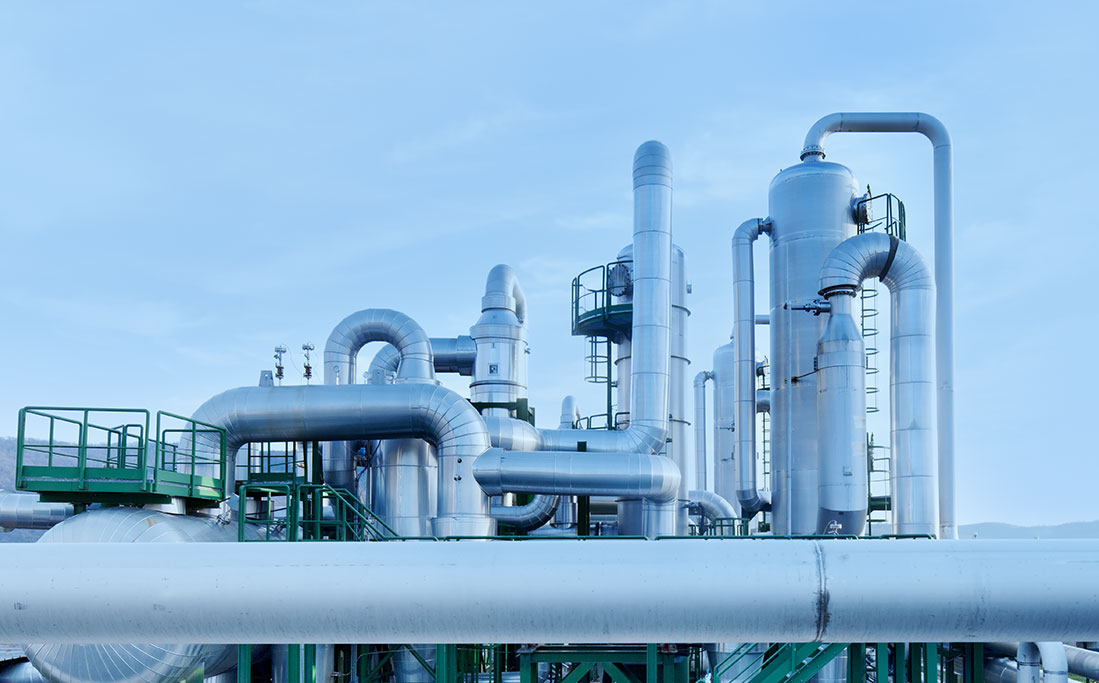
GeneralFlame utilizes Steam Methane Reforming (SMR), the most common and economical method for producing hydrogen.
SMR is a chemical process used to produce hydrogen on a large scale in the gas manufacturing industry. The process involves two chemical reactions that ultimately convert water and methane (usually in the form of natural gas) into pure hydrogen and carbon dioxide. The hydrogen is then further purified to customer-specified purity requirements (up to 99.999%) for use in power generation, oil refining, countless chemical processes, and many other industrial applications.
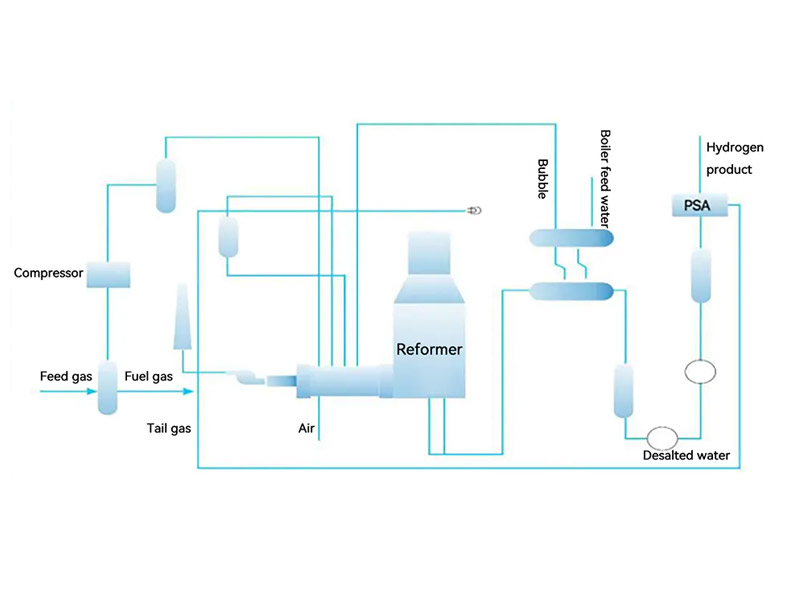
01. Water enters the furnace, producing steam at a very high temperature.
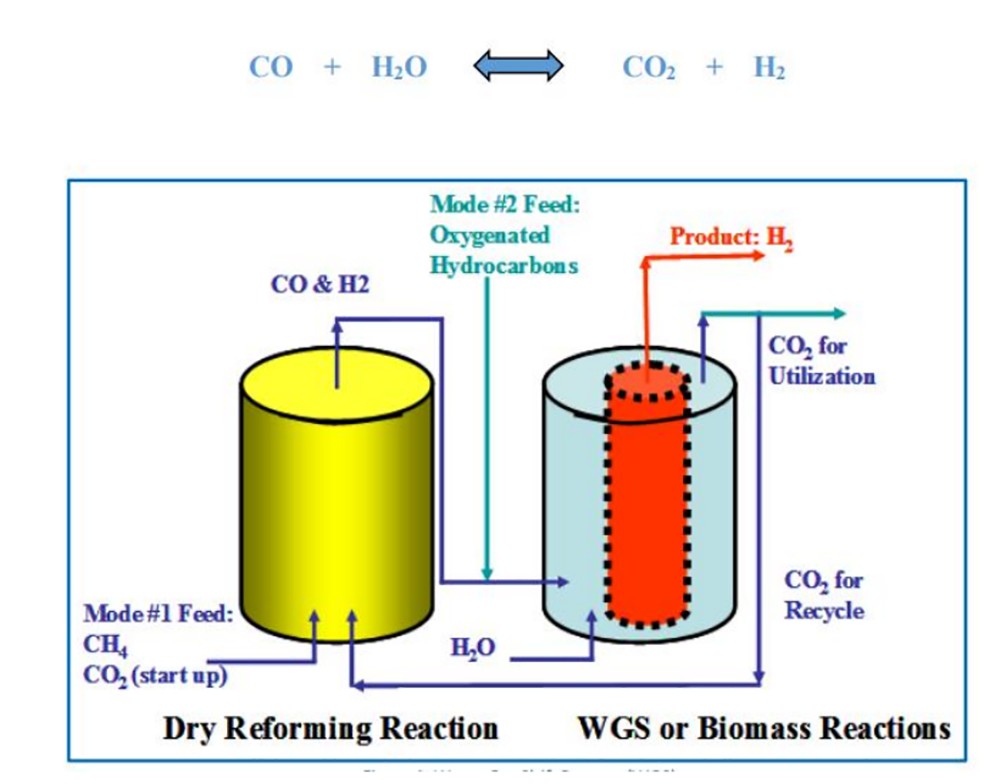
02. Steam reacts with natural gas, producing hydrogen and carbon monoxide.
03. In the water shift reactor, carbon monoxide and steam react to form carbon dioxide and more hydrogen gas.
04. The hydrogen gas is purified to the customer’s specifications, removing contaminants.
05. Pure hydrogen is delivered to the customer. Remaining gases are recycled back into the process or recovered for other uses.
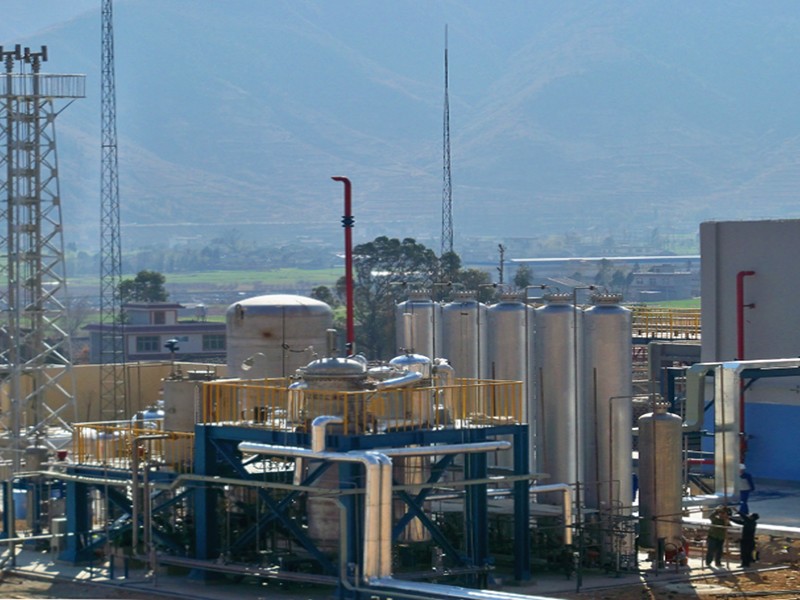
 Full Process Coverage
One-stop solution for all aspects, from project evaluation and environmental impact assessment approval to equipment procurement and staff training.
 Compliance, Zero Risk
A team of senior experts ensures the project meets all regulatory requirements for environmental protection, safety, fire prevention, etc., mitigating potential risks.
 Cost Optimization
Reduces overall costs through precise budget control, supply chain integration, and resource allocation.
 Technological Leadership
Enhances production efficiency and competitiveness by introducing smart factory design, automated control systems, and green processes.
 Fast Production
Standardized processes and efficient execution shorten project timelines, helping you seize market opportunities.


 OEM/ODM High-Performance Combustion & Thermal Equipment Manufacturers
 English
 русский
 Français
 Español
 عربى
عربى




