Content
If you have ever stood near a cement plant or a lithium refinery, you have probably noticed a long steel cylinder turning slowly, day and night. That cylinder is a rotary kiln, one of the hardest-working pieces of thermal equipment in modern industry. As a rotary kiln burner manufacturer at Jiangsu Jufeng Thermal Technology (GENERALFLAME), we are often asked how these machines actually work. In this guide, we explain the principle in plain language, drawing on what we have learned from combustion projects serving cement, lithium, nickel, zinc oxide, and waste treatment customers at home and abroad.
A rotary kiln is a continuously operating thermal processor built around a long, slightly inclined steel cylinder. The shell is lined with refractory brick, carried on riding rings and support rollers, and rotated by a drive system at speeds that typically range from 0.5 to 5 revolutions per minute. Raw material enters continuously at the raised upper end, and as the kiln turns, the bed of material is lifted, rolled over, and gradually worked down the slope toward the lower discharge end.
At the discharge end, a burner fires in the opposite direction to the material flow. This counter-current arrangement is central to how a kiln works: the hottest flame meets the material just before it leaves, while exhaust gases travel back up the cylinder and preheat the incoming feed. Depending on the process, the same machine can dry, calcine, sinter, reduce, or thermally destroy an enormous range of materials.
Although kilns differ in size and duty, most share the same core hardware:
Every part exists to keep three things in balance: material movement, heat input, and gas flow.
Engineers usually describe a kiln by dividing its length into zones, each with its own job:
| Zone | Position | Typical Temperature | Main Purpose |
|---|---|---|---|
| Drying and preheating | Feed end | 200-800 °C | Remove free moisture and preheat the feed with exhaust gases |
| Calcining | Middle section | 800-1,100 °C | Drive off bound CO2 and trigger decomposition or phase changes |
| Sintering / burning | Near the burner | 1,100-1,450 °C | Build the final mineral structure, melt, or reduce the material |
The boundaries are never rigid. In a cement kiln the burning zone peaks around 1,450 °C to form clinker; lime calcination settles nearer 1,100 °C; and lithium or nickel roasting profiles are tuned to the ore's chemistry. What every process shares is the need for a stable, controllable temperature curve from feed to discharge.
Three mechanisms work at once inside the cylinder. Radiation from the flame and the glowing refractory dominates at high temperature, which is why flame shape matters so much. Convection carries heat from the gas stream to the material surface and the exposed wall. Conduction completes the cycle: the wall absorbs heat while it faces the flame, then gives it up to the bed as it rotates underneath. The refractory lining therefore acts as a rotating heat regenerator, and its condition has a direct effect on fuel consumption. The counter-current gas flow ties everything together, because hot exhaust surrenders much of its remaining heat to the cold incoming feed. A well-run kiln is far more efficient than it first appears.
From our side of the industry, the burner is where a kiln either performs or underperforms. The flame must reach far enough into the kiln to heat the bed, yet stay disciplined enough to avoid scorched refractory and local hot spots that damage the shell. A flame that is too short and stiff concentrates heat near the hood; one that is too long and lazy wastes fuel and can carry unburned material into the gas stream. Modern multi-channel burners let operators adjust swirl and axial air independently, shaping the flame to suit the material, the refractory, and the fuel. For a deeper look, our rotary kiln burner types and design guide explains flame adjustment in detail.
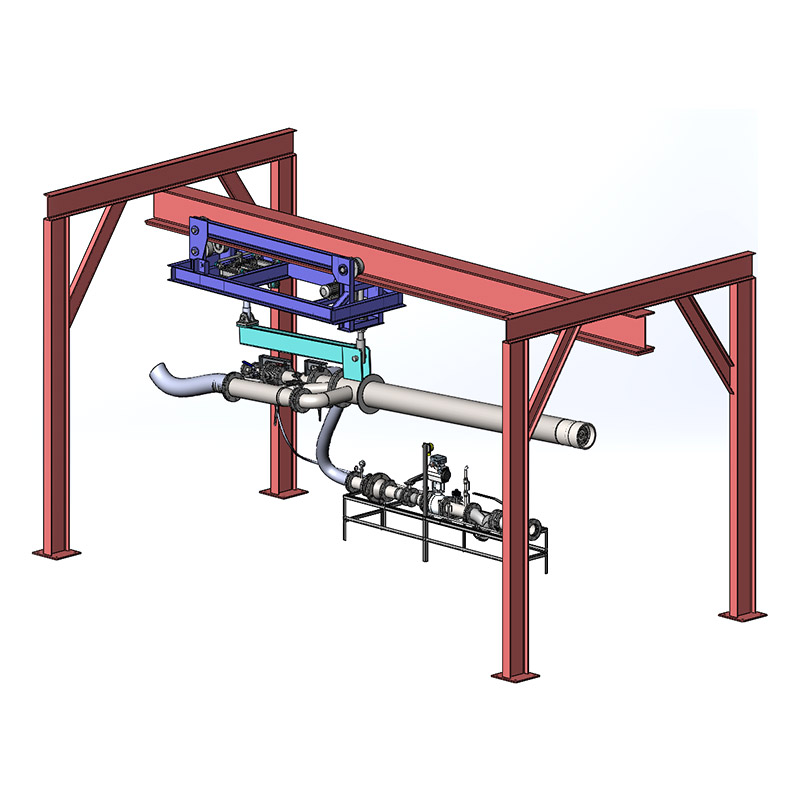
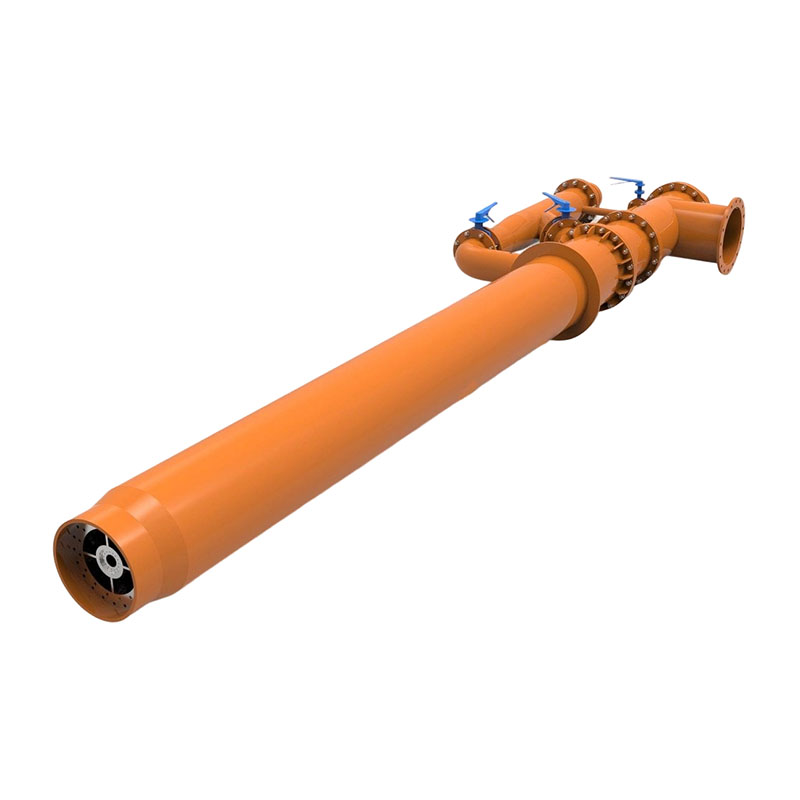
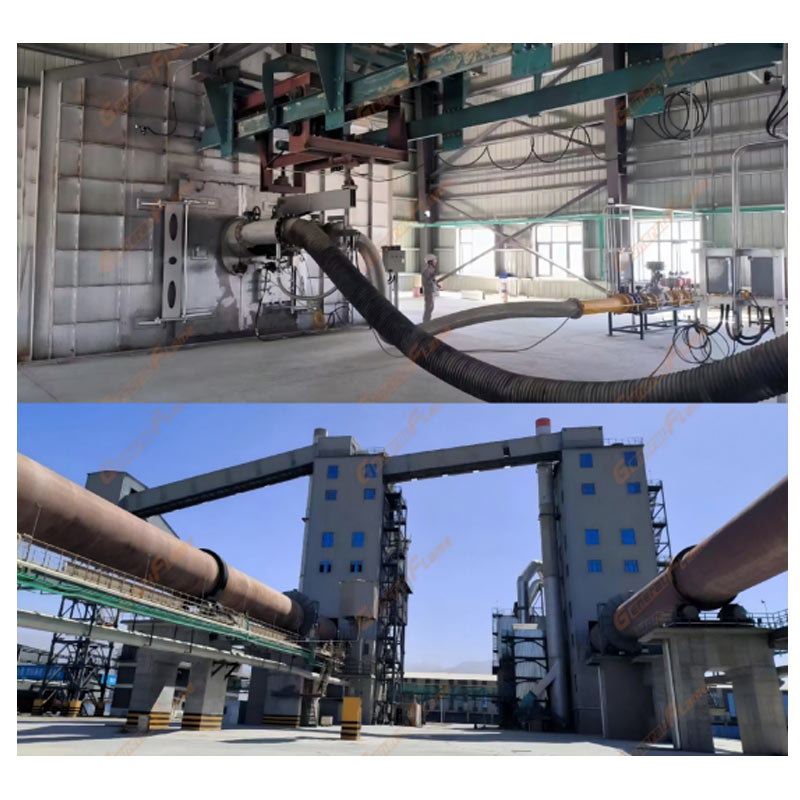 Rotary Kiln Burner with Adjustable Multi-Channel Flame ControlThe GeneralFlame ALVS rotary kiln burner handles heavy oil, natural gas, pulverized coal, petroleum coke, and biomass. With independently adjustable swirl and axial air and a patented Laval nozzle, it shapes flame length and width to protect refractory while heating the kiln bed.View Product →
Fuel choice shapes both operating cost and emissions. Pulverized coal remains common in cement and lime plants, natural gas offers clean and controllable combustion, and many operators now co-fire alternative fuels such as biomass or waste-derived solids to cut costs and carbon emissions. With a well-designed combustion system or a multi-fuel co-combustion burner, a plant can switch or blend fuels without sacrificing flame stability.
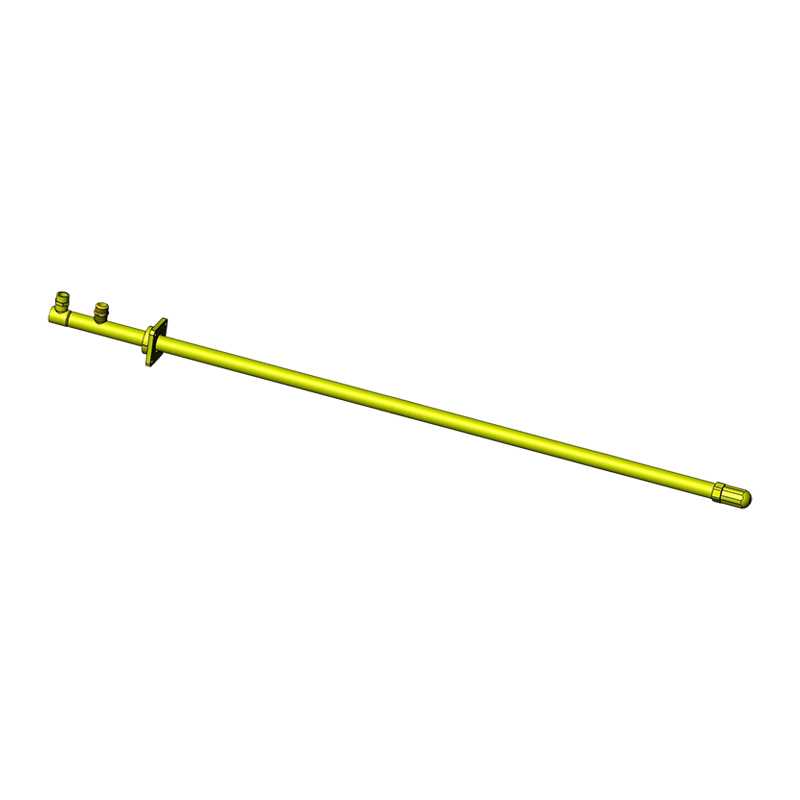
 Multiple Fuel Co-combustion Burner for Rotary KilnsAvailable in gas-oil, gas-coal, gas-biomass, and diesel-coal combinations, this co-combustion burner lets plants switch or blend fuels to cut costs and emissions. Adjustable axial and swirl airflow maintains flame stability and keeps the flame concentrated near the material without touching it.View Product →
High flame temperatures inevitably form nitrogen oxides, and incomplete combustion can push up carbon monoxide. Modern plants attack the problem from two directions: low-NOx burner technology that staggers fuel and air to cool the flame core, and downstream SNCR (selective non-catalytic reduction) systems that inject ammonia or urea into the flue gas to convert remaining NOx into harmless nitrogen and water. We supply both sides of that equation for rotary kiln operators.
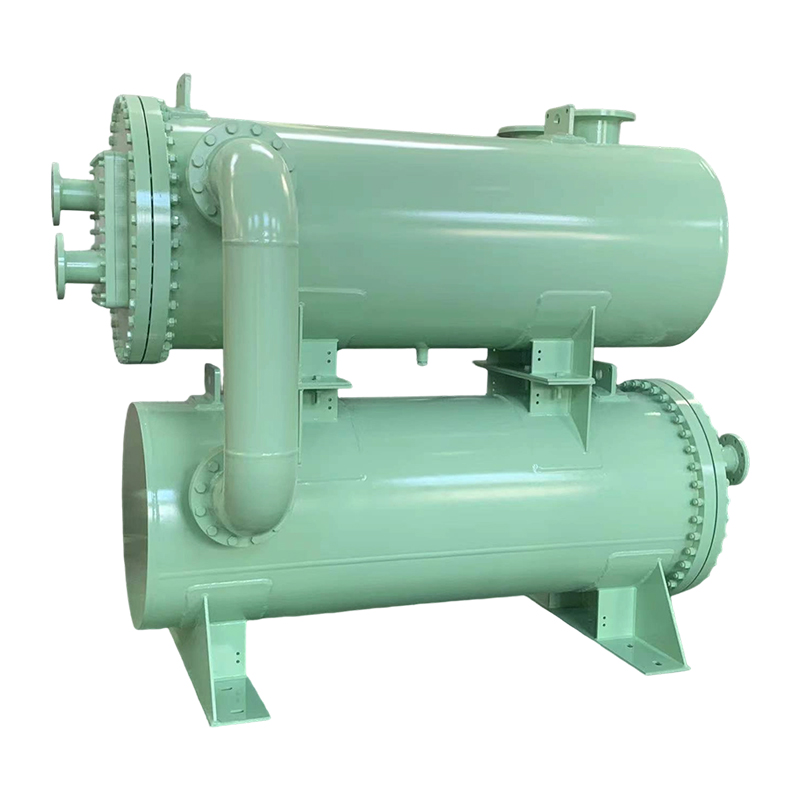
 Low-NOx Burner for Cement and Industrial KilnsCombining staged combustion with flue gas recirculation, this low-NOx burner cools the flame core to curb nitrogen oxide formation at the source. It suits cement, ceramics, metallurgy, and waste-to-energy plants facing tightening emissions limits on rotary kiln operations.View Product →
Once you understand the working principle, you start spotting kilns across heavy industry:
In our experience, five factors decide whether a kiln runs smoothly:
A rotary kiln, at heart, is elegantly simple: turn an inclined tube, feed material in at one end, fire a controlled flame at the other, and let physics handle the rest. Keeping it efficient for decades, across changing fuels and tightening emission limits, is where the real engineering lies. If you are planning a new kiln line or trying to improve an existing one, our combustion engineers are always glad to talk, so please contact our team for advice tailored to your material and process.


 OEM/ODM High-Performance Combustion & Thermal Equipment Manufacturers
 English
 русский
 Français
 Español
 عربى
عربى