


Professional Team · Mature Experience · Complete Process Solutions
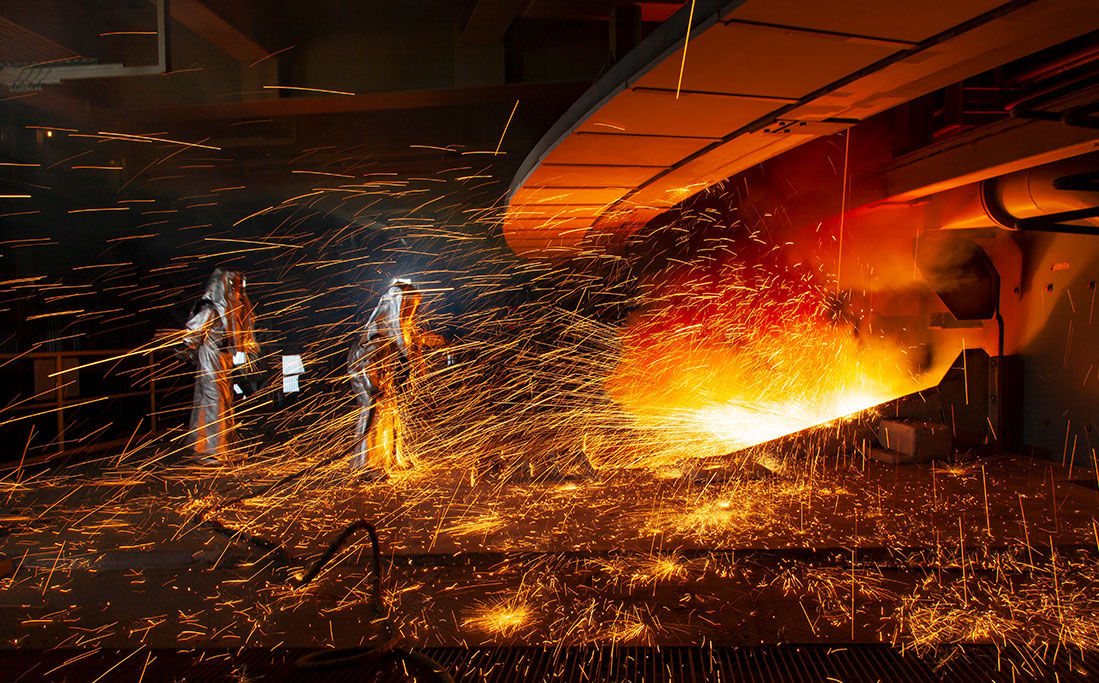
In the field of non-ferrous metal metallurgy, Jiangsu Jufeng Thermal Technology Co., Ltd. provides professional combustion system solutions for the pyrometallurgical processes of various non-ferrous metals including nickel, zinc, copper, lead, tin, antimony, and rare metals.
We possess a professional technical team composed of senior combustion engineers, thermal process specialists, and automation control experts. Core members have over a decade of experience in the design and commissioning of non-ferrous metal rotary kiln combustion systems, having successfully served numerous large-scale non-ferrous metal smelting projects both domestically and internationally.
Choosing Jufeng means choosing a reliable partner with professional capabilities and mature experience. We look forward to working with you to promote the technological progress and efficient development of the non-ferrous metal metallurgy industry.
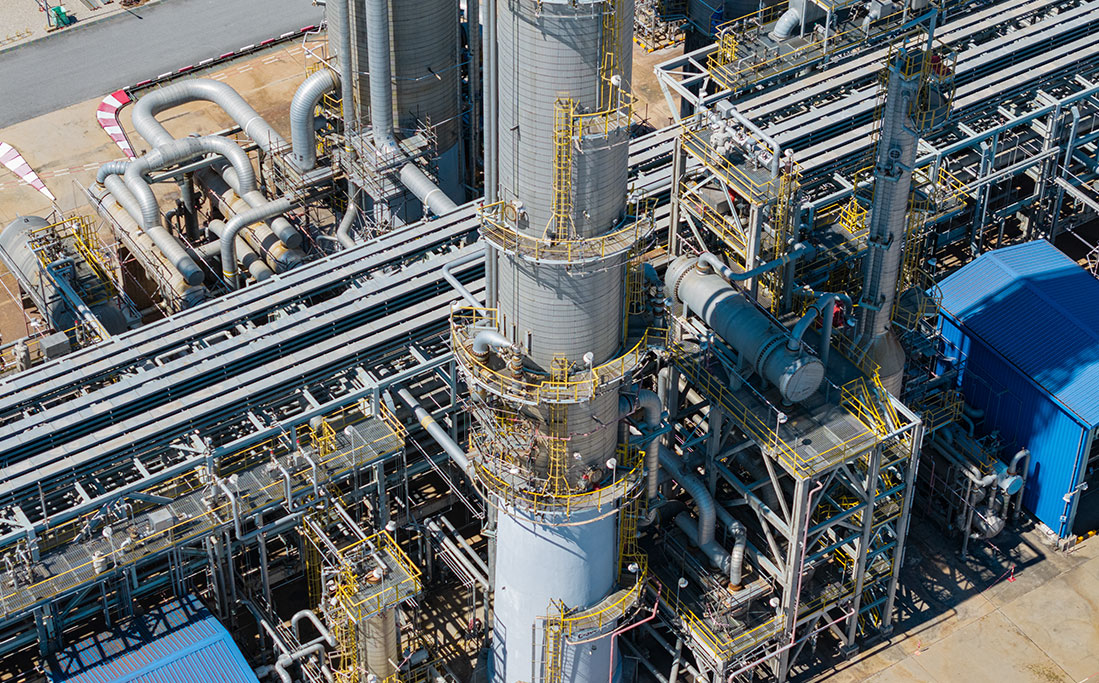
GeneralFlame environmental protection projects are widely applied in industrial kilns, waste-to-energy plants, biomass utilization systems, and energy-saving renovations.
We feature an integrated system comprising a fluidized bed gasifier, high-efficiency purification unit, and intelligent control system, which is suitable for a variety of biomass fuels.
Our solutions serve industries such as building materials, chemicals, metallurgy, and solid waste treatment, helping enterprises achieve green, low-carbon, and cost-effective development.
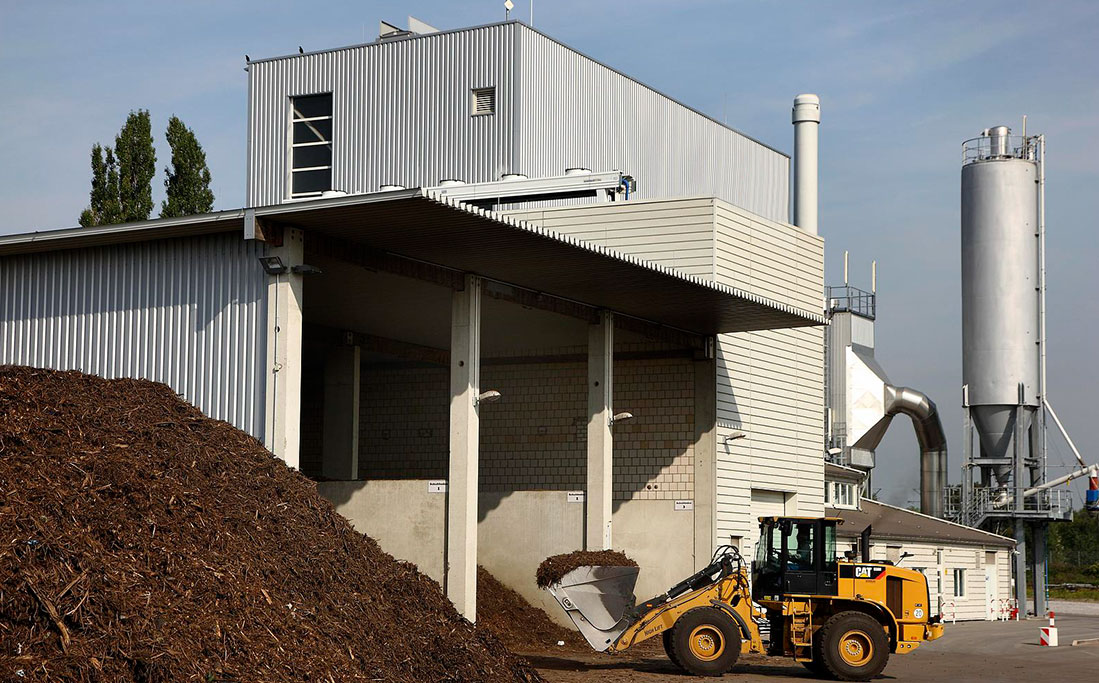
GeneralFlame gasification engineering is widely applied in industrial kilns, biomass energy utilization, solid waste treatment, and distributed power generation.
Utilizing circulating fluidized bed gasification, high-efficiency purification, and intelligent control technologies, the system adapts to various feedstocks such as palm shells, straw, and wood chips, producing stable syngas with low tar content.
It provides clean energy for heating and power generation, serving industries like building materials, chemicals, and metallurgy to help achieve green, low-carbon, and efficient production.
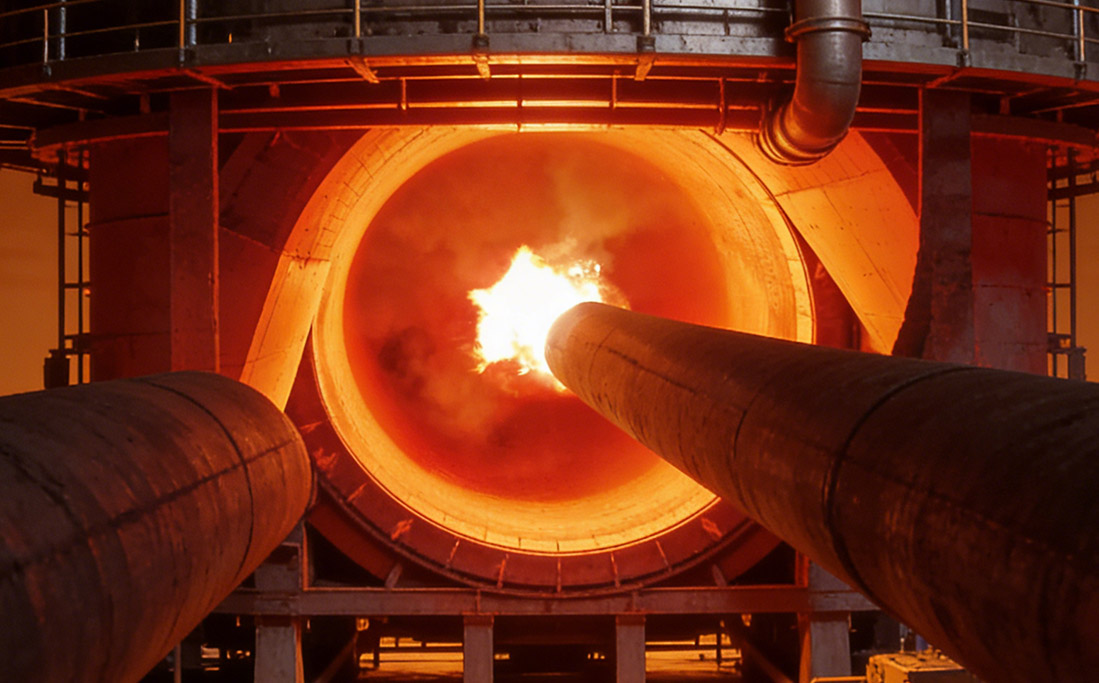
Industrial kilns are core high-temperature thermal equipment in metallurgy, building materials, chemical industry and other fields. They realize material heating, melting and sintering relying on combustion technology. By precisely regulating air-fuel ratio, adopting low-nitrogen and oxygen-enriched combustion, waste heat recovery and other technologies, thermal efficiency is improved while energy consumption and pollutant emissions are reduced. Currently, they are upgrading towards high efficiency, intelligence and low carbon, serving as a key link in industrial energy conservation and carbon reduction.
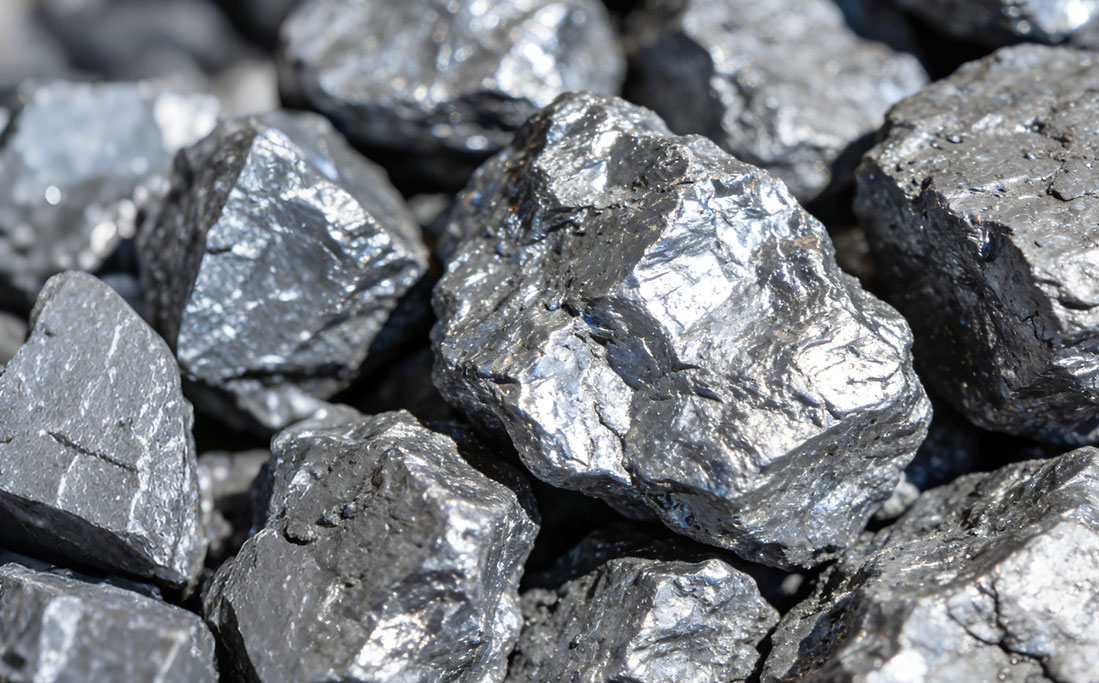
GeneralFlame's professional thermal solutions are widely used in ferrosilicon smelting.
We provide high-performance burners, hot gas systems, and intelligent control units featuring high efficiency, low nitrogen emissions, and stable combustion.
These solutions adapt to harsh high-temperature smelting conditions, improve heat utilization, reduce energy consumption and pollutant emissions, helping smelting enterprises achieve safe, efficient, and green production.
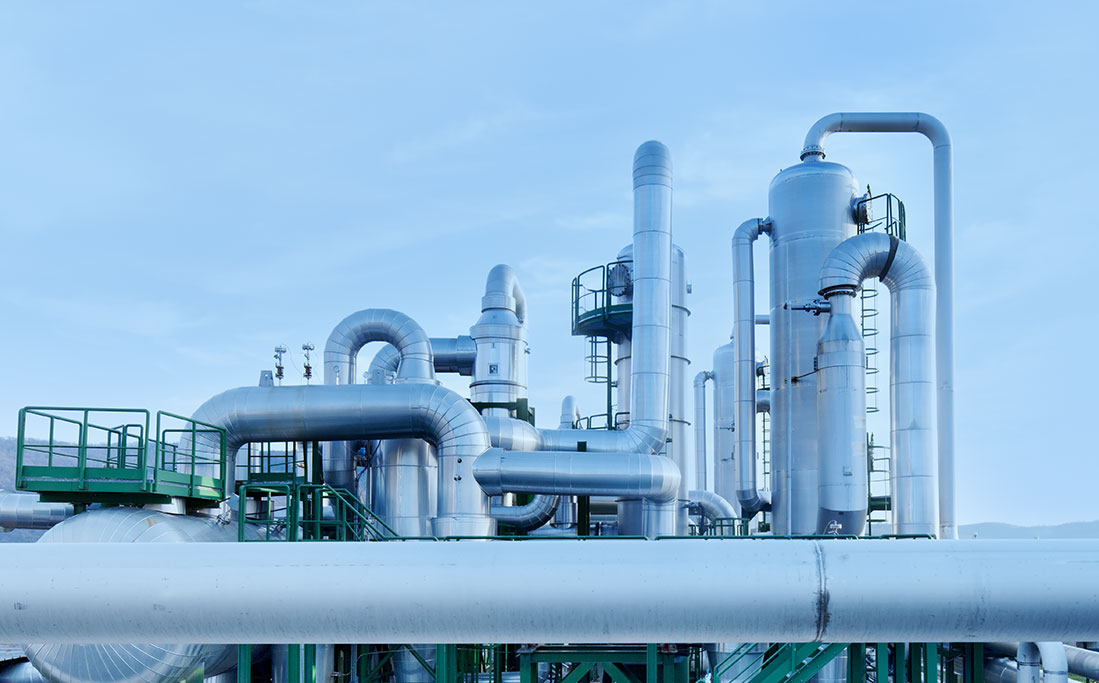
GeneralFlame utilizes Steam Methane Reforming (SMR), the most common and economical method for producing hydrogen.
SMR is a chemical process used to produce hydrogen on a large scale in the gas manufacturing industry. The process involves two chemical reactions that ultimately convert water and methane (usually in the form of natural gas) into pure hydrogen and carbon dioxide. The hydrogen is then further purified to customer-specified purity requirements (up to 99.999%) for use in power generation, oil refining, countless chemical processes, and many other industrial applications.
01. Water enters the furnace, producing steam at a very high temperature.
02. Steam reacts with natural gas, producing hydrogen and carbon monoxide.
03. In the water shift reactor, carbon monoxide and steam react to form carbon dioxide and more hydrogen gas.
04. The hydrogen gas is purified to the customer’s specifications, removing contaminants.
05. Pure hydrogen is delivered to the customer. Remaining gases are recycled back into the process or recovered for other uses.


 OEM/ODM High-Performance Combustion & Thermal Equipment Manufacturers
 English
 русский
 Français
 Español
 عربى
عربى


