Content
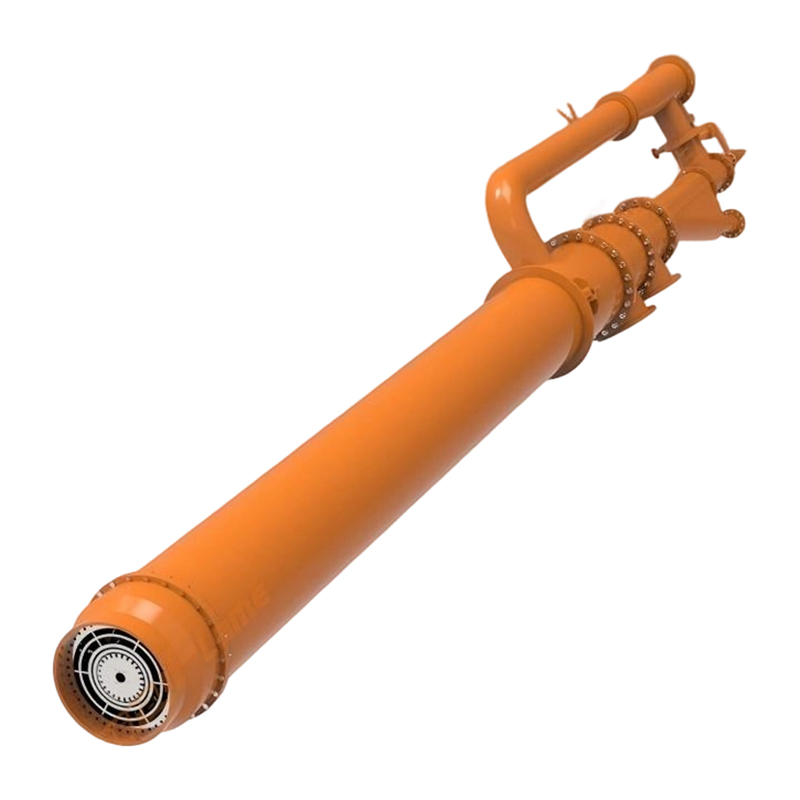
A rotary kiln burner is the primary heat source in a rotary kiln system, responsible for generating and directing a high-temperature flame into the kiln to process materials such as cement clinker, lime, alumina, and industrial minerals. The burner's design directly determines flame shape, temperature profile, fuel efficiency, and emissions output — making it one of the most consequential components in any thermal processing operation.
The bottom line: selecting and tuning the right rotary kiln burner can reduce fuel consumption by 5–15%, extend refractory lining life, and cut NOx emissions significantly — all without major capital expenditure. The sections below cover burner types, combustion principles, design parameters, fuel flexibility, common problems, and optimization strategies in practical detail.
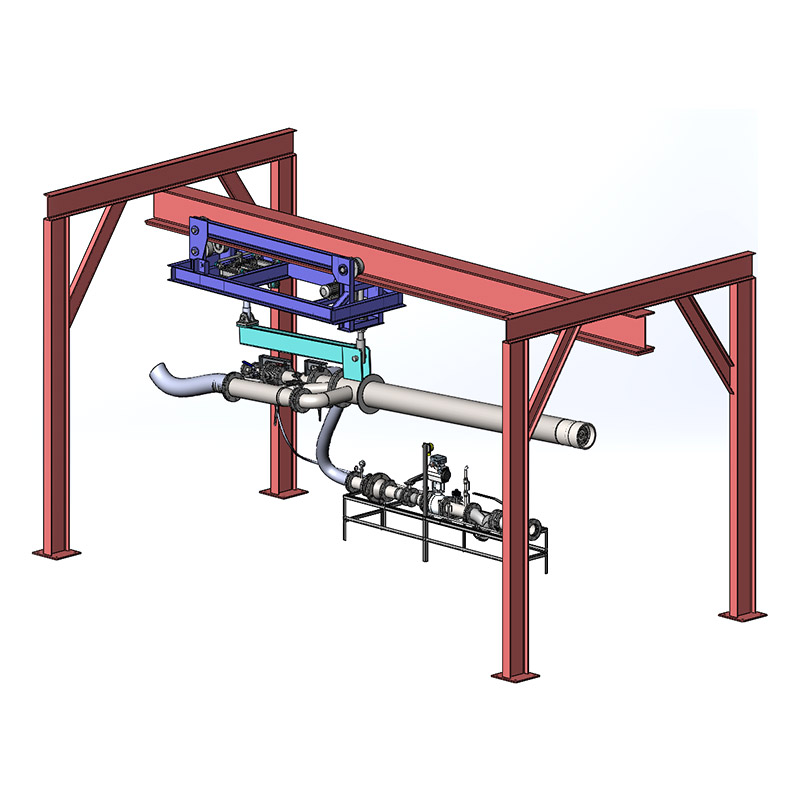
A rotary kiln burner is mounted at the discharge (hot) end of the kiln and fires axially into the rotating cylindrical shell. Fuel and combustion air are introduced through concentric channels — the precise ratio, velocity, and swirl of these streams determine the flame's length, shape, and heat release profile.
The fundamental combustion process involves three stages:
The kiln itself rotates at typically 1–5 rpm, continuously tumbling material through the flame zone. The burner must therefore produce a stable, repeatable flame profile across this dynamic environment — any instability causes hot spots, uneven product quality, or refractory damage.
In most rotary kiln systems, combustion air comes from two sources. Primary air is introduced directly through the burner (typically 5–15% of total combustion air in modern designs). Secondary air — preheated in the clinker cooler to temperatures of 800–1,000°C — enters the kiln around the burner and supplies the bulk of the oxygen for combustion. Maximizing secondary air temperature is a primary lever for improving thermal efficiency.
Rotary kiln burners are broadly categorized by their air channel configuration, flame adjustment capability, and fuel type compatibility. The most common designs in industrial use are:
The simplest design, with a single air-fuel channel. These burners offer limited flame adjustment and are generally found in older kilns or smaller-scale operations. They are being phased out in modern cement and lime plants because they offer no independent control over flame shape and produce higher NOx levels compared to multi-channel alternatives.
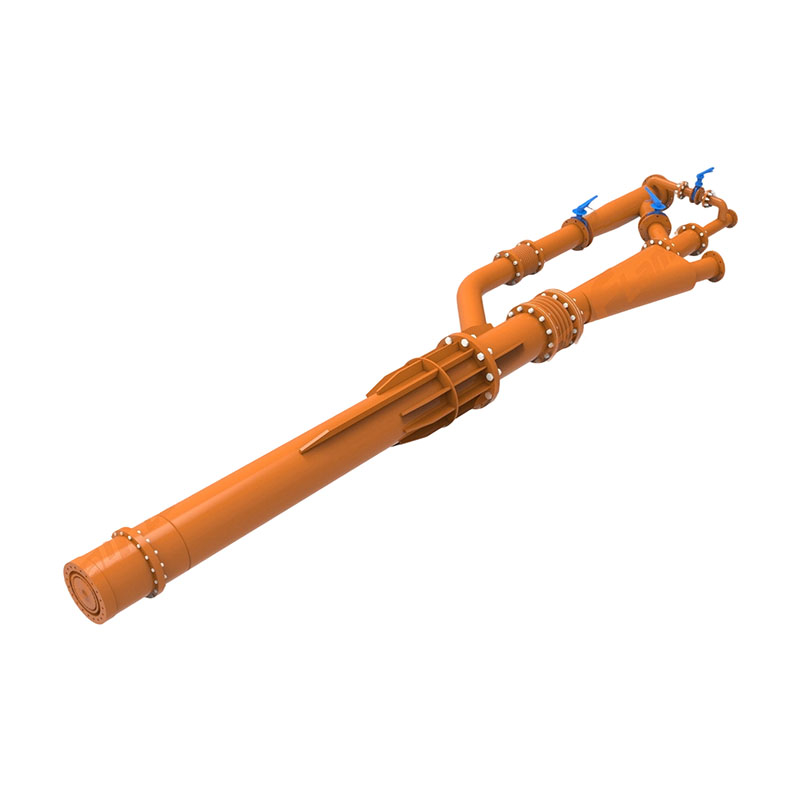
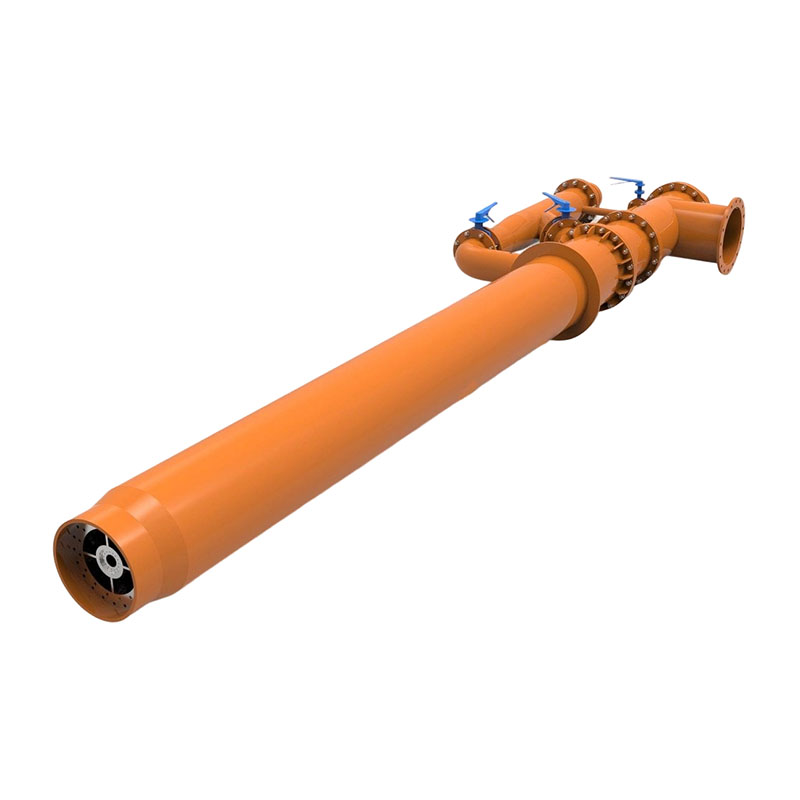
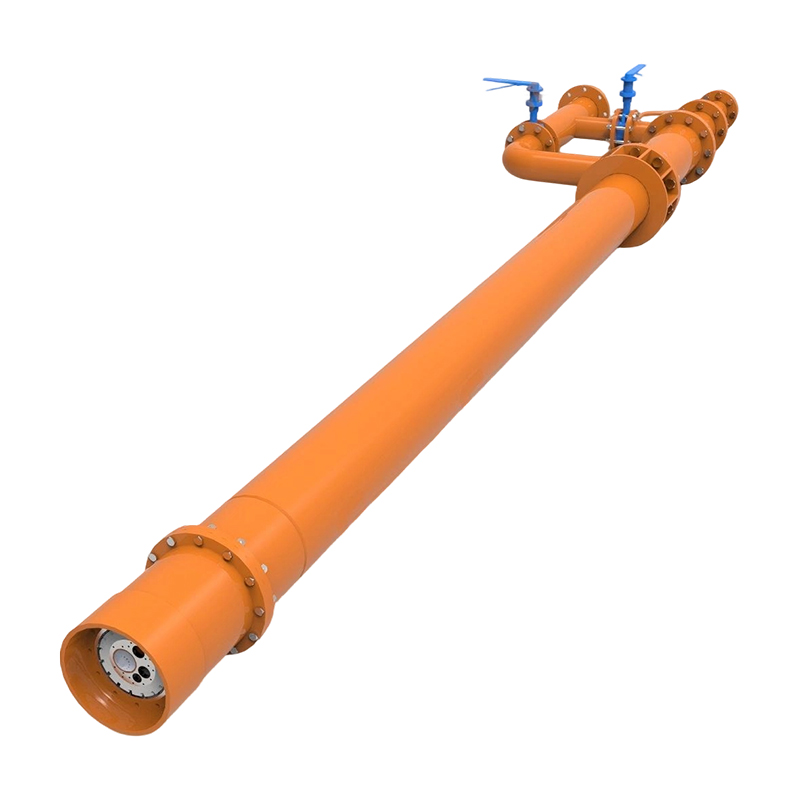
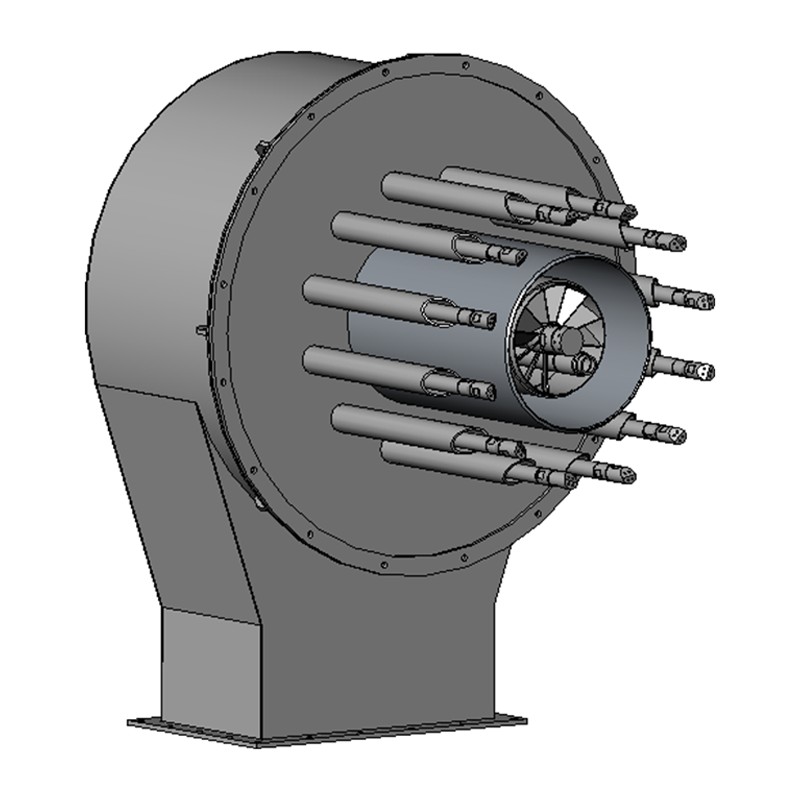
The industry standard for most modern rotary kilns. Multi-channel burners use two to four concentric channels to introduce axial air, swirl (radial) air, and fuel independently. This separation gives operators direct control over:
Leading manufacturers — including FLSmidth (JETFLEX burner), KHD (Pyrojet), and Pillard — produce multi-channel burners capable of net primary air rates below 6% of total combustion air, maximizing the use of hot secondary air and reducing fuel consumption.
A specialized subset of multi-channel burners engineered specifically to minimize NOx formation through staged combustion, fuel-rich primary zones, and controlled mixing. Modern low-NOx rotary kiln burners can achieve NOx reductions of 20–40% compared to standard multi-channel designs, which is critical in regions with strict environmental regulations (e.g., EU Industrial Emissions Directive, US EPA standards).
Used in applications where nitrogen must be eliminated from the combustion atmosphere, or where very high flame temperatures are required. Oxy-fuel burners replace air with pure or enriched oxygen, producing flame temperatures exceeding 2,500°C and dramatically reducing flue gas volume. These are primarily used in specialty mineral processing and are increasingly studied for carbon capture-ready cement production.
One of the most commercially significant developments in rotary kiln burner technology over the past two decades is the ability to fire multiple fuels — including alternative and waste-derived fuels — from a single burner. This flexibility directly reduces fuel cost, which typically represents 30–40% of total cement or lime production costs.
| Fuel Type | Calorific Value (approx.) | Burner Channel Required | Common Kiln Application |
|---|---|---|---|
| Natural Gas | ~35–38 MJ/m³ | Gas channel | Cement, lime, minerals |
| Heavy Fuel Oil | ~40–42 MJ/kg | Liquid fuel channel + atomizer | Cement, rotary lime kilns |
| Pulverized Coal | ~23–29 MJ/kg | Solid fuel channel (transport air) | Cement, iron ore pelletizing |
| Petcoke | ~33–36 MJ/kg | Solid fuel channel (transport air) | Cement (widely used globally) |
| Refuse-Derived Fuel (RDF) | ~14–20 MJ/kg | Dedicated solid fuel or combined channel | Cement (co-processing) |
| Biomass (wood chips, husks) | ~10–18 MJ/kg | Solid fuel channel or dual channel | Cement, lime, activated carbon |
Modern multi-channel burners from manufacturers such as FLSmidth, Unitherm, and Hauck are capable of simultaneously firing two or three fuels. For example, a cement kiln burner may fire 70% petcoke and 30% RDF simultaneously, with real-time adjustment of each fuel flow to maintain stable flame conditions as RDF quality fluctuates.
The performance of a rotary kiln burner is governed by a set of design parameters that combustion engineers specify for each installation. Understanding these parameters is essential for procurement, commissioning, and troubleshooting.
Burner momentum (expressed in N/MW or N/GJ) quantifies the mixing energy the burner injects into the combustion zone. It is the most widely used single parameter to characterize rotary kiln burner performance. Higher momentum = more vigorous mixing = shorter, more intense flame. Most cement kiln burners operate in the range of 6–12 N/MW; values below 6 N/MW typically produce unstable, lazy flames prone to coating buildup on refractory.
Primary air is the air delivered by the burner fan; it consumes electrical energy and, being unheated, dilutes the thermal efficiency benefit of hot secondary air. Reducing primary air from 15% to 8% of total combustion air can reduce specific heat consumption by 40–80 kJ/kg clinker in a cement kiln — a meaningful efficiency gain. Modern high-momentum burners achieve their mixing through velocity and swirl rather than air volume, enabling primary air rates as low as 4–6%.
The swirl number describes the ratio of tangential to axial momentum in the air streams. High swirl creates a short, bushy flame with a wide radiant heat profile — preferred for kilns processing materials that require intense surface heating. Low swirl produces a long, narrow flame — preferred when a more gradual heat release profile is needed or when the kiln is relatively short.
The fuel channel exit velocity must be high enough to prevent backflow and flame flashback, but not so high that it creates excessive turbulence before fuel and secondary air have mixed. For pulverized solid fuels, transport air velocities at the burner tip typically range from 18–25 m/s; for gas burners, exit velocities of 50–100 m/s are common to ensure jet penetration into the secondary air stream.
Flame shape is not merely an operational preference — it has direct, measurable consequences for product quality, refractory life, and energy consumption.
For a typical cement kiln with an internal diameter of 4.5–6 m, the optimal burning zone flame length is generally 4–5 times the kiln diameter, or roughly 20–30 m. Operators use infrared shell scanners and manual observation through kiln sight doors to continuously monitor flame condition.
Rotary kiln burners are significant sources of nitrogen oxide (NOx) emissions. In cement production, kiln burners typically account for 30–50% of total plant NOx emissions, with precalciner burners contributing the remainder. Regulatory limits in the EU under the Best Available Techniques Reference Document (BREF) for cement are typically 200–500 mg/Nm³ NOx.
In rotary kiln burners, NOx forms through two primary mechanisms. Thermal NOx forms when nitrogen in combustion air reacts with oxygen at temperatures above approximately 1,300°C — the higher the peak flame temperature and the longer the residence time, the more thermal NOx is produced. Fuel NOx forms from nitrogen bound in the fuel itself, which is significant when firing high-nitrogen alternative fuels or certain coals.
When burner-level measures are insufficient, Selective Non-Catalytic Reduction (SNCR) — injecting ammonia or urea into the kiln gas stream at 850–1,050°C — is the most widely applied secondary technology in the cement industry, capable of achieving 30–50% NOx reduction at relatively low capital cost. Selective Catalytic Reduction (SCR) offers higher efficiency but requires significant capital investment and operating cost.
Even well-designed burners develop operational problems, particularly as they age or as fuel quality changes. The table below identifies the most frequent issues, their root causes, and corrective actions.
| Problem | Likely Cause | Corrective Action |
|---|---|---|
| Flame instability / pulsation | Low fuel pressure, inconsistent solid fuel feed, moisture in fuel | Check fuel feed consistency; dry solid fuel; verify burner fan output |
| Shell hot spots | Flame impingement on refractory; burner misalignment | Re-align burner axis; adjust swirl to shorten/reshape flame |
| Kiln ring formation | Overlong flame or incorrect temperature profile in burning zone | Increase swirl/axial air ratio to shorten flame; adjust burner position |
| High CO in exit gas | Incomplete combustion; excess fuel, insufficient air, poor mixing | Increase excess air; increase burner momentum; check fuel fineness |
| Burner tip burnout | Excessive radiant heat; flame too close to tip; cooling air failure | Verify cooling air flow; push burner further into kiln; inspect tip material |
| Elevated NOx | Peak flame temperature too high; excess primary air momentum | Reduce primary air; elongate flame; consider SNCR injection |
The physical position of the burner inside the kiln hood — its axial depth, vertical angle, and lateral offset — is adjustable in virtually all modern installations and has a significant effect on both product quality and refractory integrity.
Burner position changes should always be made incrementally — typically no more than 100 mm per adjustment step — with sufficient time between adjustments to observe the kiln's thermal response before making further changes.
Substituting conventional fuels with alternative fuels (AF) is now standard practice in the global cement industry. The global average alternative fuel substitution rate reached approximately 20% in 2022, with European leaders exceeding 60–80%. The kiln burner is both an enabler and a constraint in alternative fuel co-firing.
A well-maintained rotary kiln burner has a service life of 3–7 years before major refurbishment is required, depending on fuel type, operating hours, and maintenance practice. Key maintenance activities include:
Predictive maintenance — using infrared shell scanning data and kiln process analytics to identify emerging flame or hot spot issues before they cause unplanned stops — is increasingly adopted by major cement and lime producers, and can extend refractory campaign length by 10–20%.
Burner selection should be driven by a structured evaluation of process, fuel, and regulatory requirements. The following checklist covers the key decision factors:
Engaging the burner supplier early in the kiln design or upgrade project — rather than treating the burner as a commodity procurement item — consistently leads to better combustion performance, lower fuel costs, and fewer operational problems over the kiln's service life.


 OEM/ODM High-Performance Combustion & Thermal Equipment Manufacturers
 English
 русский
 Français
 Español
 عربى
عربى