Content
If you have ever stood beside an industrial furnace, the easiest answer to “how do furnaces work” is simple: they make heat. But any operator knows the real story is more interesting. A furnace has to deliver the right temperature, at the right place, for the right amount of time, while using as little fuel as possible. That is where genuine engineering knowledge comes in.
This guide explains the basic working principles of industrial furnaces, from fuel and air to heat transfer and emissions, so you can speak confidently about combustion systems and the equipment that makes them perform.
Every industrial furnace works by converting fuel into heat through combustion. The formula is straightforward: fuel plus oxygen plus ignition gives hot combustion gases. Those gases then transfer heat to the material inside the chamber.
What separates a good furnace from a poor one is how completely the fuel is burned and how efficiently the heat is used. Incomplete combustion wastes fuel, creates carbon monoxide, and lowers the quality of the process. Too much combustion air cools the flame and carries usable heat out of the chimney.
These five factors answer the question of how furnaces work at the mechanical level.
To understand furnaces more deeply, it is useful to look at the main parts that make up the system.
| Component | Function |
|---|---|
| Burner | Mixes fuel with air and establishes the flame |
| Combustion chamber | Contains the combustion reaction and heat release |
| Refractory lining | Insulates the furnace and reduces shell heat loss |
| Heat recovery device | Transfers heat from flue gas to combustion air |
| Exhaust system | Removes combustion gases at the correct draft |
| Control system | Maintains fuel, air, and temperature setpoints |
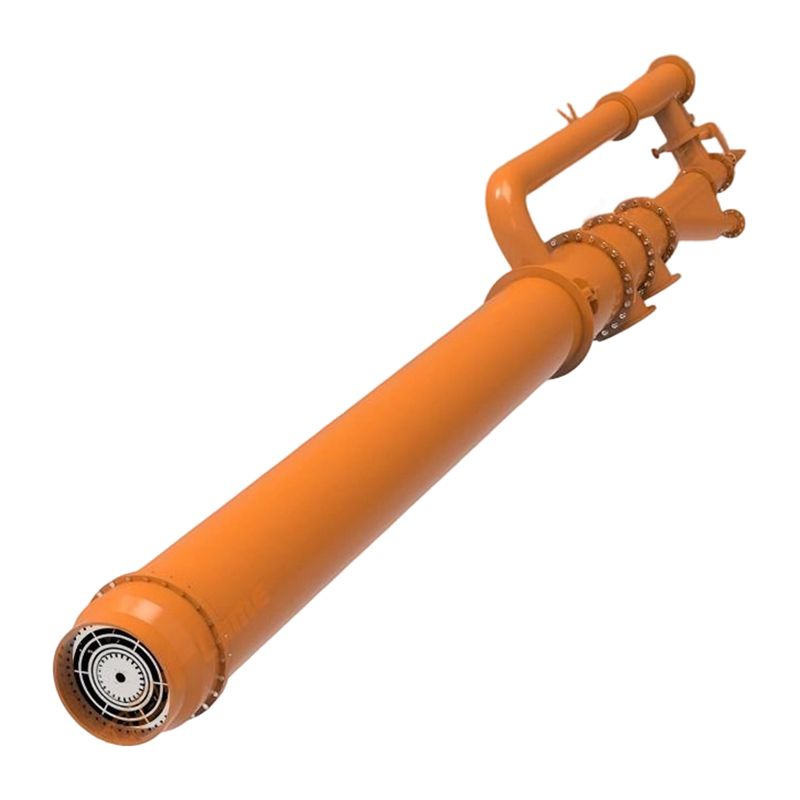
In larger units like rotary kilns, the burner is the heart of the system. It must match the fuel type, chamber geometry, and required flame shape to work well.
Combustion inside a furnace is a chemical reaction. Hydrocarbon fuels burn with oxygen to produce carbon dioxide, water vapor, and heat. The temperature in the flame depends on the fuel, the air-to-fuel ratio, and how well the fuel and air have mixed.
Industrial burners are designed to control that mixing. In some burners, fuel and air meet only at the flame boundary. In others, they are premixed before entering the nozzle. Each design has different strengths in flame stability, temperature uniformity, and emission control. This is why choosing a burner is not simply a matter of heat rating.
Our engineers often start with an application’s fuel basis and target temperature profile. Once that is clear, the combustion system can be configured around the process rather than the other way around. More detail on this area can be found in our industrial furnace and combustion technology section.
Producing heat is only the beginning. The heat must also reach the material being processed. Industrial furnaces use three modes of heat transfer:
In a rotary kiln, radiation and convection dominate because the material moves through a long, heated drum. In a heating furnace for metal, conduction also plays a role when billets rest directly on the hearth. Designing the furnace for the right mix of these modes is what makes operations steady and energy efficient.
How do furnaces work across different industries? The principle stays the same, but the physical design follows the process. A rotary kiln burner must produce a long, stable flame that follows the kiln’s axis. A heating furnace burner may be arranged along the walls to create a uniform temperature zone. A smelting furnace needs high temperature and controlled atmosphere for metallurgical reactions.
| Furnace Type | Common Fuel | Typical Use |
|---|---|---|
| Rotary kiln | Coal, gas, oil | Mineral calcination, lithium, nickel, cement |
| Heating furnace | Gas, oil | Steel forging, heat treatment |
| Smelting furnace | Gas, pulverized coal | Non-ferrous metal production |
| Incineration furnace | Oil, gas, waste | Hazardous and solid waste treatment |
For rotary kiln operators, the burner is a critical selection because it affects flame length, temperature uniformity, and fuel flexibility.
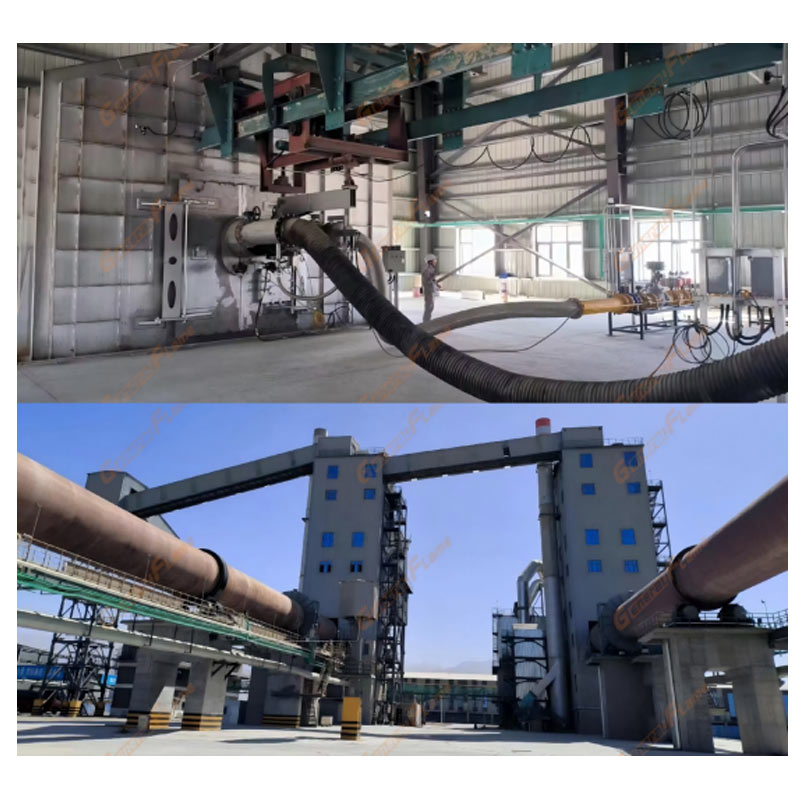 Rotary Kiln Burner with Flexible Fuel OptionsDesigned for rotary kiln operators, this burner supports multiple fuels and features an adjustable nozzle for precise flame control, addressing needs for temperature uniformity and fuel flexibility.View Product →
For steel and forging plants, a heating furnace burner should follow the heating curve of the material and respond quickly to load changes.
 Heating Furnace Burner with Pulse CombustionWith pulse combustion and automated controls, this burner follows heating curves and responds to load changes, ensuring uniform temperature for steel and forging furnaces.View Product →
The question of how furnaces work becomes more complex when efficiency and environmental compliance are added. Three tools are especially common:
Low-NOx burners use staged combustion and flue gas recirculation to reduce peak flame temperature, which is the main cause of thermal NOx formation. They are often the most cost-effective first step for plants facing stricter emission limits.
 Low-NOx Burner with High Combustion EfficiencyUsing staged combustion and flue gas recirculation, this burner delivers low NOx emissions and high efficiency, a cost-effective choice for emission compliance.View Product →
In many mineral processing plants, we also combine combustion improvements with SNCR systems so that both the furnace and the flue gas treatment work as one strategy.
Most furnaces do not fail suddenly; they slowly drift away from their original performance. Some common reasons are:
A regular combustion system review can catch these issues before they become costly production losses.
At Jiangsu Jufeng Thermal, we have spent years building combustion equipment for rotary kilns, heating furnaces, and other industrial thermal systems. We have learned that the best results come from matching the heat source to the process, not from applying a generic product to every situation.
Fuel type, kiln speed, atmosphere, and product characteristics all influence the burner design. Whether your process involves lithium, nickel, zinc oxide, hazardous waste, or steel heating, the basic question remains the same: how do furnaces work in your specific process? Answering that leads to the right burner selection and the best operating envelope.
If you would like a practical review of your furnace or burner system, feel free to reach out through our contact page. We are happy to share what we have learned across hundreds of industrial installations.


 OEM/ODM High-Performance Combustion & Thermal Equipment Manufacturers
 English
 русский
 Français
 Español
 عربى