Content
BTU stands for British Thermal Unit. It is one of the oldest and most useful measures in thermal engineering. In heating and cooling, BTU tells you how much heat a system can add or remove. Knowing how to compute BTU helps you size an air conditioner, choose a heater, or even select a burner for an industrial kiln. The math is not complicated, but the assumptions behind it matter.
One BTU is the amount of heat required to raise the temperature of one pound of liquid water by one degree Fahrenheit. In metric terms, that is about 1.055 kilojoules. When you see BTU/h on an air conditioner, burner, or furnace, it means the rate of heat transfer per hour. One watt is equal to about 3.41 BTU/h, and one ton of cooling capacity equals 12,000 BTU/h.
Understanding how to compute BTU is important because it affects equipment life, operating cost, and comfort. An undersized system runs continuously and still cannot hold the target temperature. An oversized system cycles too often, wastes fuel, and can create uneven heat distribution. The same principle applies whether you are sizing a window unit or a rotary kiln burner.
The most reliable starting point for any BTU calculation is the sensible heat equation:
Q = M x Cp x delta-T
In this equation, Q is the heat transfer rate in BTU/h, M is the mass flow rate, Cp is the specific heat of the material, and delta-T is the temperature change in degrees Fahrenheit.
For water, the equation becomes easier to use with volumetric flow:
The constant 500.4 accounts for the density and specific heat of water. The constant 1.08 does the same for air at standard conditions. These formulas are useful for heat exchangers, hot water systems, ventilation air, and many industrial process streams.
For air conditioning and room heating, the load depends on more than square footage. Solar gain, insulation, windows, people, and ceiling height all change the number. A practical step-by-step method gives a reliable estimate without requiring a full engineering study.
| Climate | BTU per square foot |
|---|---|
| Mild | 18-22 |
| Moderate | 22-28 |
| Hot and humid | 28-34 |
These values are starting points, not substitutes for a professional load calculation. Manual J software or a qualified HVAC technician gives more precise results when you need accuracy.
Let us walk through a simple example to make the process concrete.
Imagine a room that is 18 feet wide and 20 feet long. The area is 360 square feet. In a moderate climate, start with 25 BTU per square foot:
360 x 25 = 9,000 BTU/h
The ceiling is 9 feet, so multiply by 1.125:
9,000 x 1.125 = 10,125 BTU/h
The room has a west-facing window with strong afternoon sun, so add 10%:
10,125 x 1.10 = 11,137.5 BTU/h
Two people normally occupy the room, so add 1,200 BTU/h:
11,137.5 + 1,200 = 12,337.5 BTU/h
Round up to the nearest available unit size. In this case, a 12,500 or 13,000 BTU/h system is a sensible choice.
The same logic scales from a room to a rotary kiln, hot blast furnace, thermal oxidizer, or heating furnace. In industrial applications, engineers work with material throughput, moisture content, specific heat, target temperature, and wall losses instead of square footage.
A simplified industrial heat balance looks like this:
Total heat input = heat to material + heat to evaporate moisture + heat lost through walls + safety margin
At GENERALFLAME, we apply this approach in industrial furnace and combustion technology every day. The burner size is not the first decision. The heat load is. Once the required heat release is clear, the firing rate, fuel selection, and flame shape follow naturally.
For a rotary kiln, the burner must match the heat release pattern to the material bed and refractory lining.
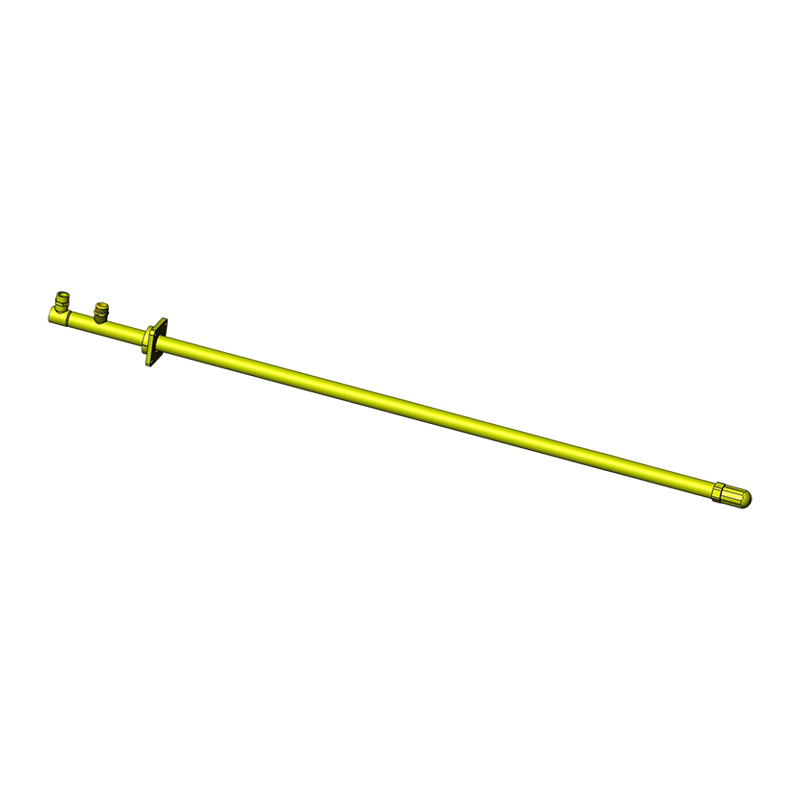
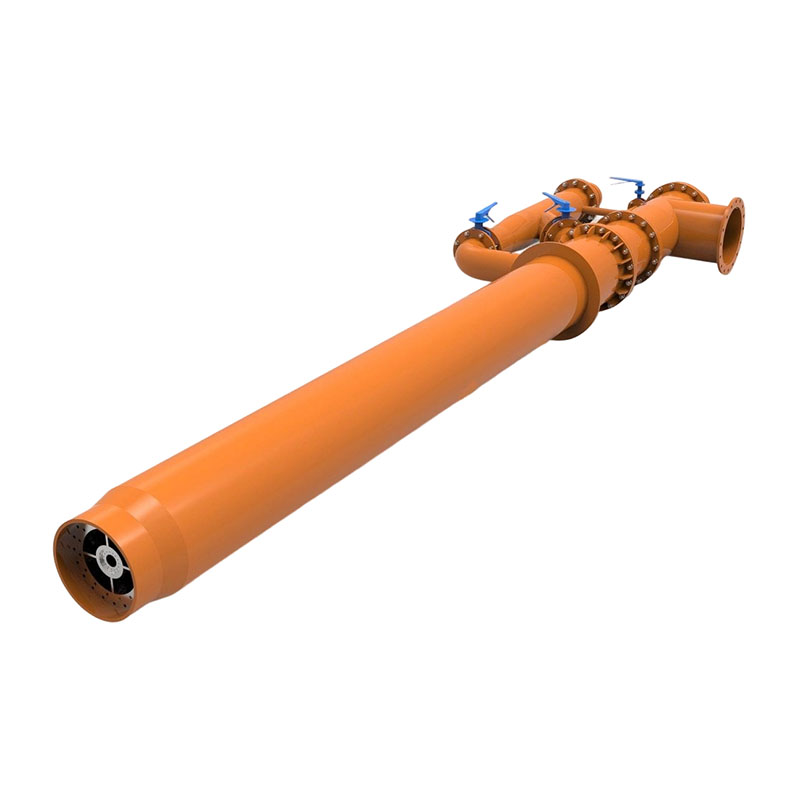
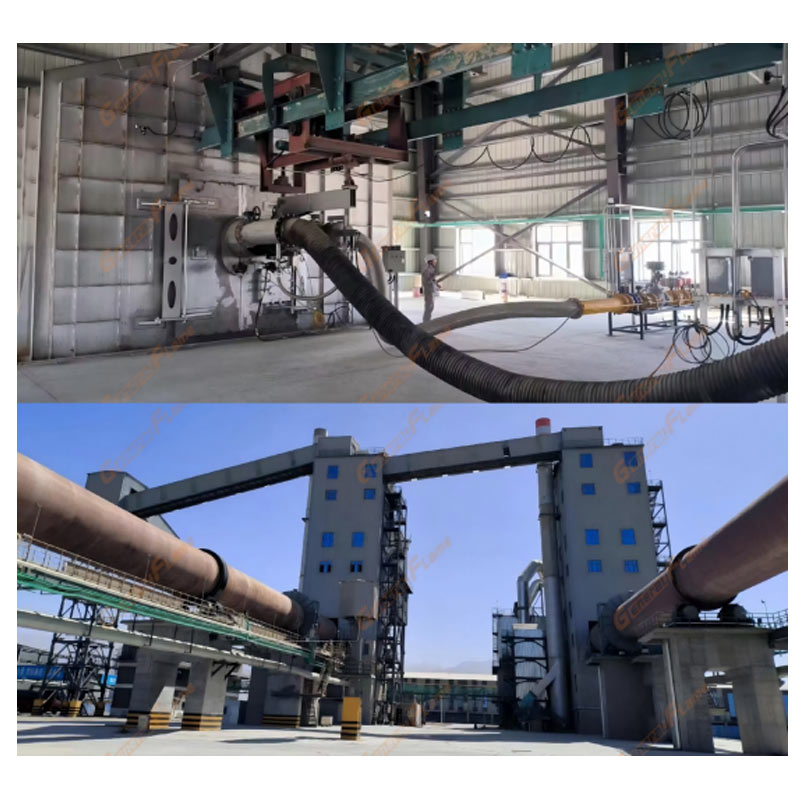 Rotary Kiln Burner with Adjustable ALVS DesignThis burner supports multiple fuels and matches heat release patterns to material beds. Its patented ALVS nozzle enhances adjustment accuracy, ideal for precise combustion control in rotary kilns.View Product →
When you calculate the fuel side of the equation, use the higher heating value of the fuel. This value tells you how much heat is released when the fuel is burned completely.
| Fuel | Approximate heat content |
|---|---|
| Natural gas | 1,000 BTU per standard cubic foot |
| Propane | 91,500 BTU per gallon |
| No. 2 diesel | 137,500 BTU per gallon |
| Dry biomass | 8,000-9,000 BTU per pound |
These values vary with composition, temperature, and moisture content. Always use the actual fuel analysis when a process requires accurate control.
For clean and stable heat release, a dedicated gas burner makes the fuel-side BTU calculation much simpler because the gas supply is steady and predictable.
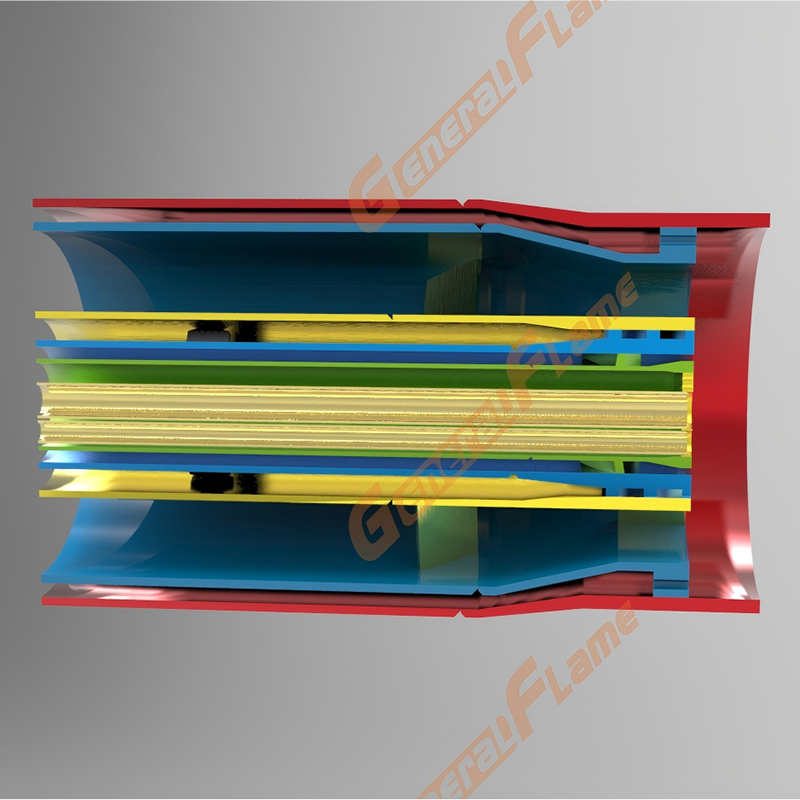 Gas Fuel Burner with Laval Nozzle for Long FlamesEngineered for stable gas supplies, this burner uses a Laval nozzle and secondary air diffusion for wide flame shaping, simplifying BTU calculations and ensuring reliable kiln operation.View Product →
Even experienced engineers can fall into the same traps when calculating BTU requirements. Here are the ones we see most often:
Our rotary kiln case studies show how often an oversized burner creates uneven temperature profiles and higher fuel bills. A burner that is correctly matched to the heat load is more efficient, more stable, and easier to control.
An oversized burner also increases emissions. Modern low-NOx burner designs are usually built around the actual heat release profile of your kiln or furnace, not a generic safety factor.
 Low-NOx Burner Designed for Actual Heat Release ProfilesWith staged combustion and flue gas recirculation, this burner keeps NOx under 30 mg/m³ and boosts efficiency 98%, avoiding oversizing issues and cutting emissions in industrial kilns.View Product →
Computing BTU is not just arithmetic. It is a way of understanding how heat moves in and out of a space or process. Once you know the load, you can choose the right equipment with confidence.


 OEM/ODM High-Performance Combustion & Thermal Equipment Manufacturers
 English
 русский
 Français
 Español
 عربى