Content
As an industrial combustion equipment manufacturer, we talk about rotary kilns almost every day. Among all the applications our customers bring us, lime calcination stands out as one of the most straightforward to explain and yet one of the most demanding to optimize. If you have ever asked how a rotary lime kiln works, you have come to the right place. Let us walk through the whole system, from limestone feed to finished quicklime, and show the critical role the burner plays in keeping the process stable, efficient, and profitable.
A rotary lime kiln is a slightly inclined, slowly rotating steel cylinder lined with refractory brick. Its purpose is simple: convert limestone, or calcium carbonate (CaCO3), into quicklime, or calcium oxide (CaO), by driving off carbon dioxide. This thermal-chemical process is called calcination, also known as lime burning.
The decomposition reaction is endothermic, which means it absorbs heat. The limestone must be held at roughly 900 to 1000 degrees Celsius long enough to calcine completely. A rotary kiln is well suited to this duty because it moves the solids continuously through a carefully controlled temperature profile, producing uniformly burnt lime while maintaining a steady throughput.
Before following the material through its journey, it helps to understand the major parts of the kiln. Every component has a specific job, and the performance of the whole system depends on how well they work together.
| Component | Function |
|---|---|
| Kiln shell | Large steel cylinder that rotates and carries the refractory lining |
| Refractory lining | Protects the shell from high temperature and reduces heat loss |
| Riding rings and rollers | Support the weight of the kiln and allow it to rotate smoothly |
| Drive system | Rotates the kiln slowly, typically at 0.5 to 2 revolutions per minute |
| Feed end | Receives sized limestone continuously at the upper end of the kiln |
| Discharge end | Lower end where quicklime exits and the burner flame is positioned |
| Burner system | Delivers fuel and combustion air to create the flame |
| Dust collection | Captures fine particles carried away by the exhaust gas |
The kiln shell is typically 2 to 5 meters in diameter and 40 to 120 meters long. It is installed with a slope of about 3 to 5 percent, so gravity, combined with the rotating motion, moves the material gently from the feed end to the discharge end.
The clearest way to understand how a rotary lime kiln works is to follow the limestone from the feed end to the discharge end.
The kiln rotates slowly, and each rotation turns the bed over, exposing fresh stone surfaces to the hot gases above and the hot refractory below. In a well-adjusted kiln, radiation from the flame, radiation from the refractory, and convection from the gas stream keep the temperature even across the whole cross-section of the bed. This even heating is what produces consistent lime quality.
The burner is the heart of the rotary lime kiln. The flame it produces sets the temperature profile, the length of the calcination zone, and ultimately the quality of the lime. A short, intense flame concentrates heat into a small section, increasing the risk of overburning, ring formation, and refractory damage. A long, weak flame can leave the discharge end too cold and the exhaust gases too hot, wasting fuel. The ideal flame is stable, well shaped, and matched to the kiln diameter, length, and production rate.
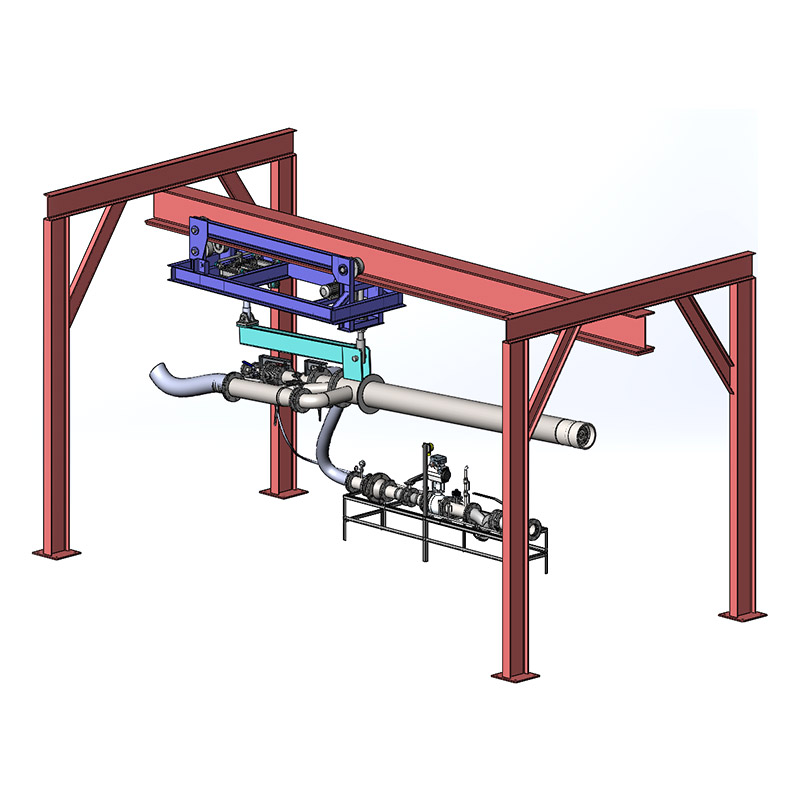
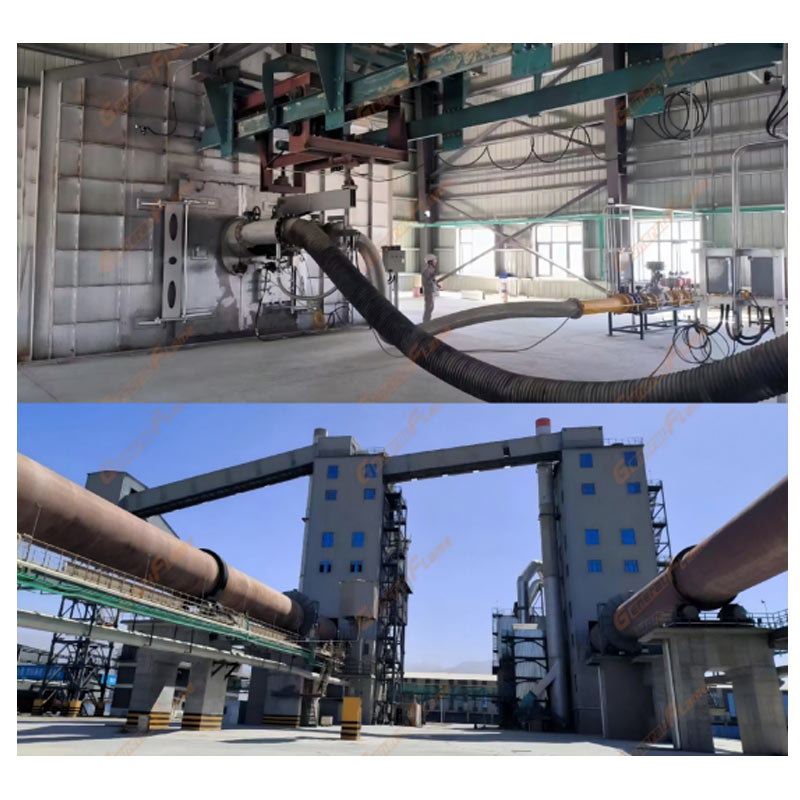 GeneralFlame Adjustable Rotary Kiln Burner for Multiple FuelsThis burner is central to kiln flame control, with adjustable swirl and Laval nozzle designs to shape stable flames and optimize combustion efficiency for lime production.View Product →
Burner design also controls combustion efficiency. The flame must entrain the right amount of combustion air, create useful internal recirculation, and mix fuel and air completely so that no unburned fuel leaves the system. This is where our experience as a rotary kiln burner manufacturer comes in. With a correctly matched burner, operators see a stable flame shape, lower excess air, and smoother temperature control from feed end to discharge end. These are the small margins that separate a profitable lime plant from one that spends its time fighting rings, refractory repairs, and high fuel bills.
Rotary lime kilns can be fired with natural gas, fuel oil, pulverized coal, or alternative fuels. The right choice depends on local availability, cost, emissions limits, and the operating flexibility the plant needs.
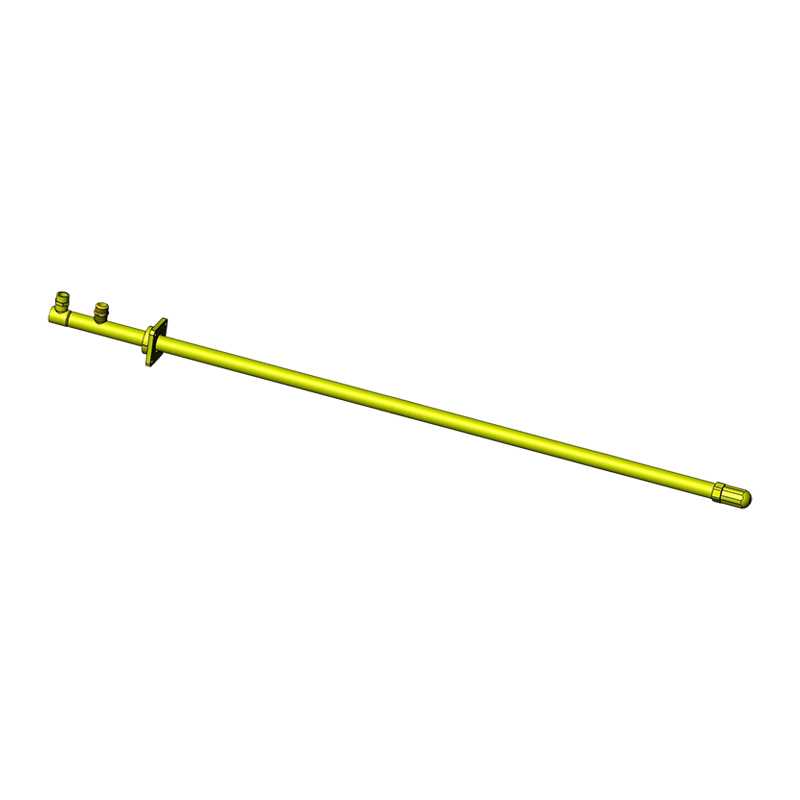
 GeneralFlame Multi-Fuel Co-combustion Burner for Rotary KilnsDesigned for switching between natural gas, fuel oil, coal, and biomass, this burner uses patented adjustable nozzles to maintain flame stability and adaptability across fuel types.View Product →
Many operators we work with are moving toward multi-fuel strategies. A burner that can switch from natural gas to heavy oil, or from coal to a biomass-based fuel, helps the plant hedge against fuel price swings and meet sustainability targets. If you are comparing burner configurations, our practical guide to rotary kiln burner types explains the strengths of each design in detail.
The thermal efficiency of a rotary lime kiln comes down to the balance between heat input, heat consumed by the calcination reaction, heat lost through the shell, and heat carried out with the exhaust gas. Chain sections at the feed end, a sound refractory lining, and a correctly adjusted flame all contribute. If the burner operates with too much excess air, the extra nitrogen must be heated and pushed through the system, which wastes energy and lowers flame temperature.
Emissions are just as important. NOx formation depends strongly on flame temperature and oxygen availability. Modern burner designs use staged combustion, internal flue-gas recirculation, and careful air-fuel mixing to reduce NOx without compromising flame stability or product quality.
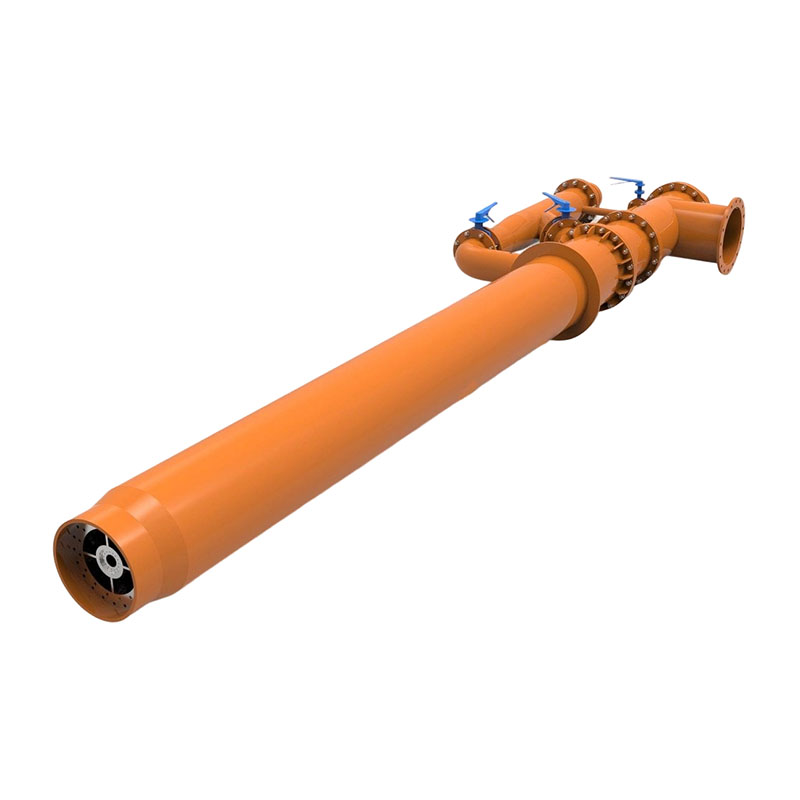
 GeneralFlame Low-NOx Burner with FGR and Staged CombustionFor plants facing emissions limits, this burner uses flue-gas recirculation and staged combustion to keep NOx under 30 mg/m³ while maintaining high efficiency and stable operation.View Product →
For lime producers facing strict environmental limits, a low-NOx burner is often the most economical first step because it reduces emissions at the source instead of requiring expensive downstream treatment. Combined with good operating discipline, it keeps the plant both clean and competitive.
Every lime kiln operator eventually meets rings. These are hard accumulations of material that build up on the refractory in the calcination zone. Rings restrict material flow, reduce production, and can force unscheduled stops. Overburning, unstable flames, and variable raw material quality are common causes. Keeping the flame stable, the combustion air properly set, and the feed consistent goes a long way toward preventing ring formation.
Dust carryover is another familiar challenge. The exhaust gas carries fine particles that must be recovered by cyclones or bag filters. Feed sizing, kiln draft, and gas velocity all influence how much dust leaves the kiln, so operators watch these parameters carefully during daily operation.
Understanding how a rotary lime kiln works is the first step toward running an efficient lime plant. The chemistry is simple, but the engineering details, from refractory selection to flame shaping, make the difference between a good plant and a great one.
At Jiangsu Jufeng Thermal Technology, the company behind the GeneralFlame brand, we build combustion equipment for rotary kilns and have applied it across lime, lithium, nickel, and many other thermal processes worldwide. Whether you are commissioning a new kiln or retrofitting an existing line, a properly matched burner pays for itself through fuel savings, better product quality, and fewer shutdowns. Talk to our team about your kiln dimensions, fuel supply, and production targets, and we will help you find the right combustion solution. Contact us anytime to discuss your project.


 OEM/ODM High-Performance Combustion & Thermal Equipment Manufacturers
 English
 русский
 Français
 Español
 عربى
عربى