English
 русский
 Français
 Español
 عربى
عربى


Burner Selection Guide
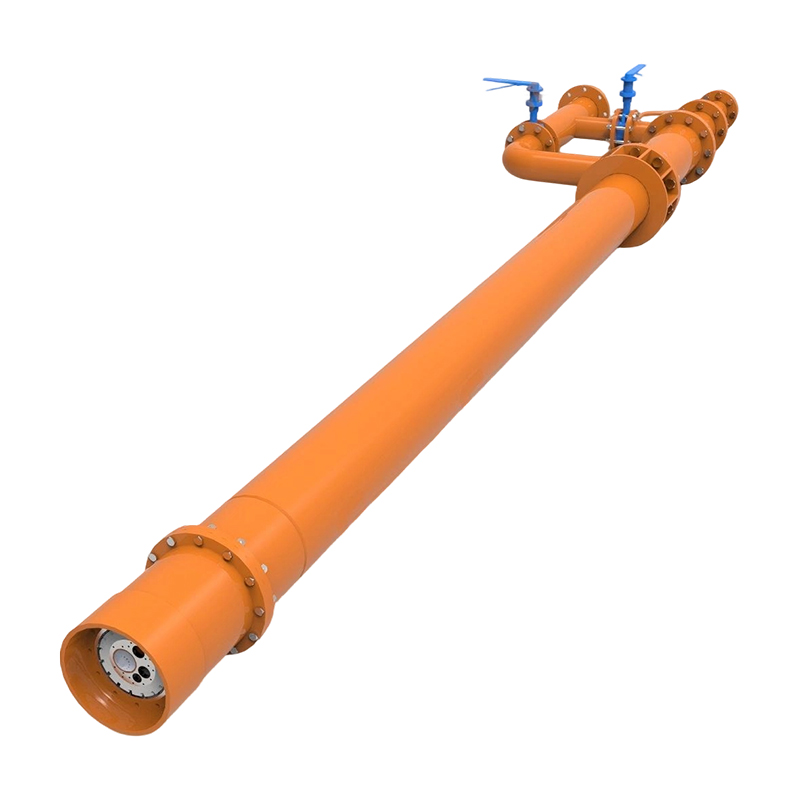
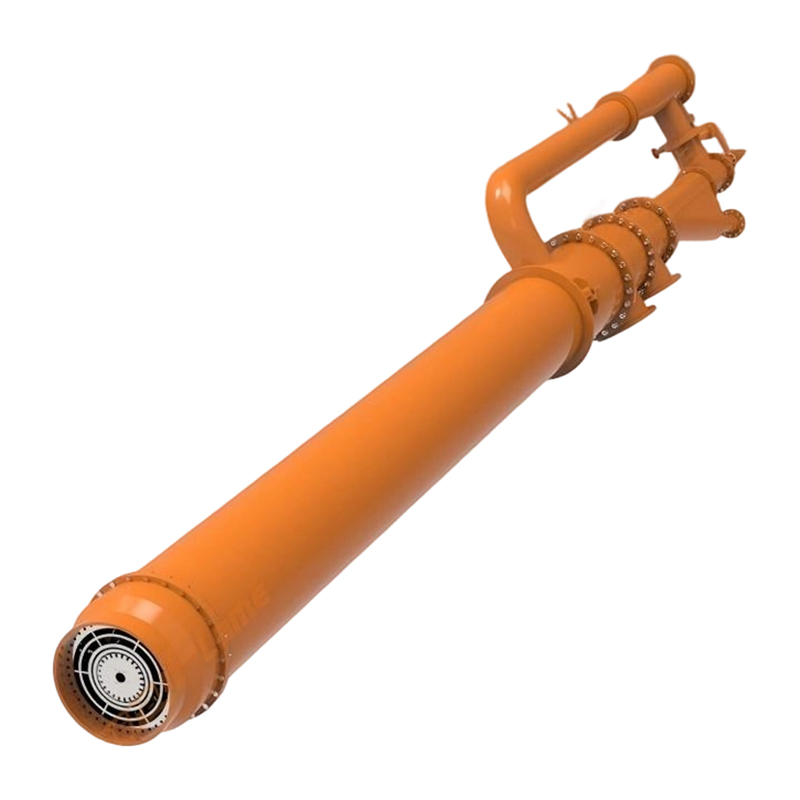
A rotary kiln burner's job is to convert fuel into a flame of a specific shape, length, and intensity that matches the thermal profile the kiln's process needs — not simply to burn fuel as hot as possible. Get the flame geometry wrong and the plant pays for it in fuel consumption, refractory wear, and clinker or product quality, long before anyone traces the problem back to the burner.
Direct Answer
The right rotary kiln burner is the one whose flame shape and turndown range match your specific kiln geometry and fuel mix — there is no universal "best" burner, only a correctly specified one. A pencil-shaped, high-momentum flame typically delivers 5–8% better heat transfer than a short, bushy flame in kilns needing deep penetration, such as long dry-process or lime kilns.
Modern multi-channel burners offer turndown ratios of 8:1 to 10:1 and can run up to 50% over design firing rate when production demands it, while holding stack oxygen between 1.5–3% O₂ and CO below 200 ppm — the two numbers that tell you combustion is actually complete.
How Flame Shape Determines Kiln Performance
A rotary kiln burner shapes its flame through the interaction of primary air momentum, swirl intensity, and fuel injection geometry — the same fuel, burned through two different burner designs, produces measurably different results inside the same kiln.
Primary air is the small, high-velocity air stream that carries fuel through the burner pipe and gives the flame its momentum; it typically supplies only a fraction of total combustion air, with the remainder — secondary and sometimes tertiary air — drawn in from the kiln hood. Burner studies consistently show that lower primary air volume combined with higher air momentum reduces NOx formation while still achieving a stable, well-anchored flame. Modern burner specifications commonly express this as primary air momentum in the range of 1,250–1,780% of primary air velocity, adjusted per kiln.
Pencil Flame
High momentum, narrow and long. Deep heat penetration for long kilns and lime calcination.
Bushy Flame
Lower momentum, short and wide. Faster heat release near the burner tip for short, hot burning zones.
Neither shape is universally "better" — a bushy flame that's ideal for a short, high-intensity burning zone would starve a long dry-process kiln of the heat penetration it needs further down the barrel, while an overly long pencil flame in a short kiln can impinge on the material bed or the far refractory lining.
Turndown Ratio and Firing Range
Turndown ratio describes how far a burner can reduce output below its design firing rate while maintaining a stable, controllable flame — it's the single spec that most affects whether a kiln can start up cold, hold steady through a process upset, and still hit peak output when the schedule demands it.
| Burner Class | Turndown Ratio | Peak Overrate | Typical Application |
|---|---|---|---|
| Basic single-channel | 1:8 | Design rate only | Cold start-up and heat-up to normal operation |
| Modern multi-channel | 1:10 | Up to 50% over design | Cement and lime kilns needing production flexibility |
| Dual-fuel adjustable | 1:8 to 1:10 | Fuel-dependent | Kilns switching between gas, oil, or solid fuel |
A burner with only 1:8 turndown is sufficient for a kiln that runs at a steady, unchanging rate. Any plant that varies production, co-fires alternative fuels of inconsistent heating value, or needs to hold the kiln stable during a preheater upset benefits from the wider 1:10 range — the extra headroom on both ends means fewer forced shutdowns and less refractory thermal cycling from repeated flame instability.
Reading Combustion Efficiency From Exhaust Gas
Flame shape and turndown matter, but the numbers that confirm a burner is actually performing come from the exhaust gas analyzer, not the burner nameplate. Two figures do most of the work:
What Rising CO Actually Means
A CO level climbing past 200 ppm while O₂ stays within range usually points to poor fuel-air mixing at the burner tip — not a fuel shortage. Chasing the symptom with more fuel typically raises energy consumption per ton without fixing the underlying mixing problem at the nozzle.
Single-Fuel vs. Multi-Fuel Burner Design
Fuel strategy has shifted substantially over the past two decades, and the burner has to be specified for where that strategy is headed, not just where it stands today.
Multi-Fuel Burner
- Central channel for alternative or solid fuel, surrounded by concentric primary air rings
- Switches between gas, oil, pulverized coal, petcoke, or biomass without a burner change-out
- Independently adjustable injection velocity per fuel channel
- Higher upfront cost and more complex control system
Single-Fuel Burner
- Simpler mechanical design, fewer adjustable channels
- Lower capital cost and simpler maintenance
- Locked into one fuel type's flame characteristics
- Requires a burner swap to change fuel strategy later
Natural gas currently represents roughly a quarter of kiln fuel use in markets with strong gas infrastructure, oil holds a smaller and declining share, and alternative fuels — biomass and waste-derived fuel — are the fastest-growing segment, expanding at double-digit annual rates in leading markets. A burner purchased today that can't accommodate at least one alternative fuel channel is a burner that will likely need replacing before its mechanical life is over, not because it fails, but because the plant's fuel mix moves past what it can handle.
Specification Checklist Before Ordering
Working through these points with the kiln's actual operating data — not just its nameplate capacity — is what separates a burner that performs from one that gets retrofitted within two years.
- Kiln length-to-diameter ratio — long kilns (16:1 and above) generally need a longer, higher-momentum flame; short precalciner kilns (8:1 to 11:1) generally don't.
- Required turndown — match to actual production variability, not just start-up needs; 1:10 gives meaningfully more operating flexibility than 1:8.
- Current and future fuel mix — specify multi-fuel capability if alternative fuel substitution is on the plant's roadmap, even if not used on day one.
- Target NOx and emissions limits — confirm the burner's primary air momentum range can hit local emissions limits without secondary abatement.
- Refractory and product sensitivity — flame impingement risk and ash contamination tolerance both narrow the acceptable flame shape range.
- Secondary and tertiary air availability — a burner's rated performance assumes a specific secondary air temperature and volume; verify the kiln hood can supply it.
Maintenance Signs That Predict Burner Failure
Burner tip and nozzle wear rarely fails without warning — the flame itself tells the story before a component physically breaks:
- Flame shape drifting from its baseline photo or CFD reference over weeks, even with unchanged fuel and air settings, usually indicates nozzle erosion or a partially blocked channel.
- Rising CO at constant O₂ often precedes visible nozzle damage by weeks, since erosion disrupts fuel-air mixing before it's large enough to see.
- Increasing back-pressure on the primary air line at the same damper setting points to internal buildup or channel restriction.
- Asymmetric refractory wear near the burner end often reflects a flame that has quietly become off-axis, not a refractory-quality problem.
Matching the Burner to the Whole Firing System
A rotary kiln burner doesn't operate in isolation — its performance depends on secondary air conditions from the kiln hood, the fuel handling system feeding it, and downstream equipment like the grate cooler and hot blast system that return heat to the process. Specifying the burner alongside these systems, rather than as a standalone replacement part, is what typically closes the gap between a burner's rated performance on paper and its actual fuel consumption per ton in daily operation.