Content
If a permit renewal has just pushed the NOx limit on your kiln or furnace down to 100–150 mg/Nm³, and the burner in service was specified a decade or more ago, the most cost-effective correction usually starts at the burner itself — not with a larger gas-treatment system bolted on downstream.
The short version: a low-NOx burner stops nitrogen oxides from forming inside the flame instead of scrubbing them out afterwards. By controlling how fuel and air mix, it holds peak flame temperature and local oxygen excess below the conditions that create NOx — typically cutting emissions by 30–60% on gas-fired equipment and shrinking every downstream abatement stage. The rest of this article explains how the design works, what reduction to expect from different fuels, and what to check before signing a purchase contract.
NOx in industrial flue gas forms through three routes, and a competent burner design targets each one differently:
The design task therefore has two halves: lower the peak flame temperature and the time gases spend there, and keep nitrogen-bearing fuel out of oxygen-rich hot zones long enough to decompose what has already formed.
| Formation route | What drives it | Where it matters most | Burner design response |
|---|---|---|---|
| Thermal NOx | Flame temperature above about 1,300 °C with local oxygen excess | Natural gas and light oil firing; high-temperature furnaces | Air staging, flue-gas recirculation, lower excess air |
| Fuel NOx | Nitrogen bound in coal, petcoke, heavy oil, and wastes | Solid-fuel kilns, co-incineration, multi-fuel firing | Fuel staging, reducing primary zone, staged burnout air |
| Prompt NOx | Fuel-rich hydrocarbon flame-front chemistry | Minor in most industrial flames | Improved primary-zone mixing control |
Most commercial low-NOx burners combine three techniques in different proportions. None of them is exotic; the engineering lies in balancing them against flame stability, heat transfer, and the geometry your furnace actually offers.
Rather than mixing all combustion air with the fuel at once, the burner supplies a controlled air deficit to the primary zone and adds the remainder downstream. The primary flame runs fuel-rich, capping peak temperature and starving thermal NOx of oxygen; the burnout zone completes combustion along a lower, flatter profile. The visible result is a slightly longer, softer flame — which is why flame geometry must match the furnace.
In fuel-staged designs, part of the fuel is injected downstream of the main flame, creating a reducing zone that decomposes NOx already formed before a final burnout zone. Many kiln burners also entrain hot flue gas into the flame root — internal recirculation — which dilutes oxygen and trims peak temperature further without external ductwork.
Excess oxygen is raw material for thermal NOx. Conventional settings often run at 5% or more O2 in the furnace; a tuned low-NOx system targets the 1–3% band while keeping CO within limits. That margin is real money and real NOx, but it holds only if the air–fuel control loop and measurement are maintained.
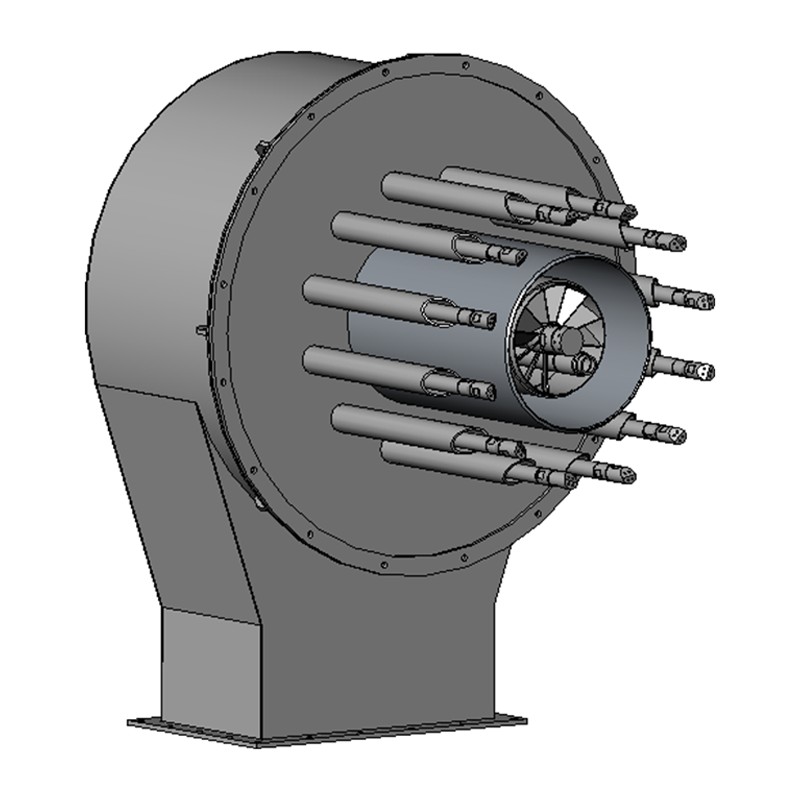
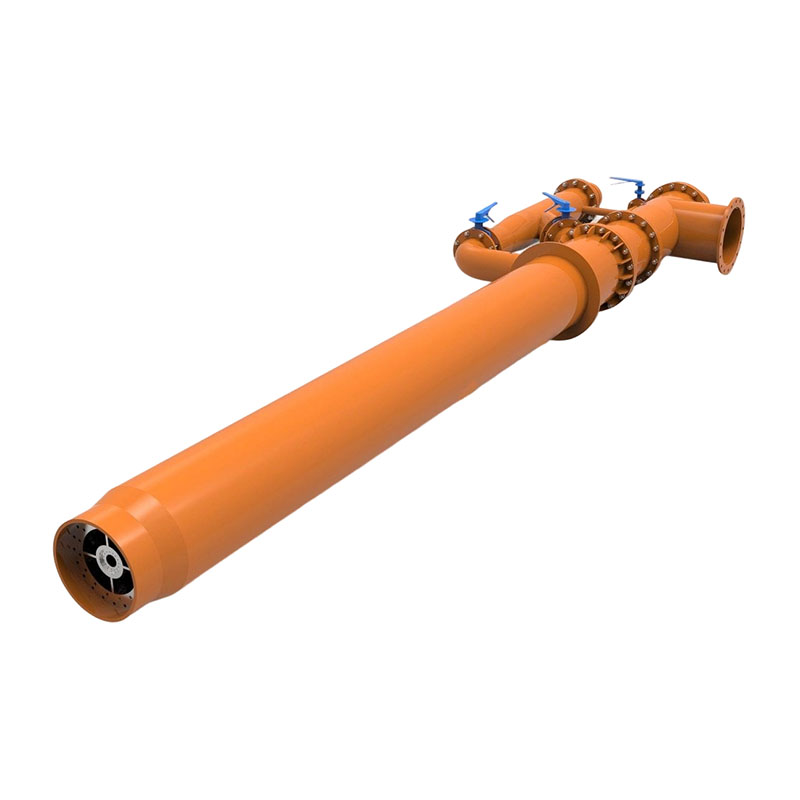
 Low-NOx Burner for Industrial KilnsUsing staged combustion with flue gas recirculation, this burner targets the 1-3% excess oxygen band discussed above, cutting NOx while keeping CO within limits and maintaining high combustion efficiency.View Product →
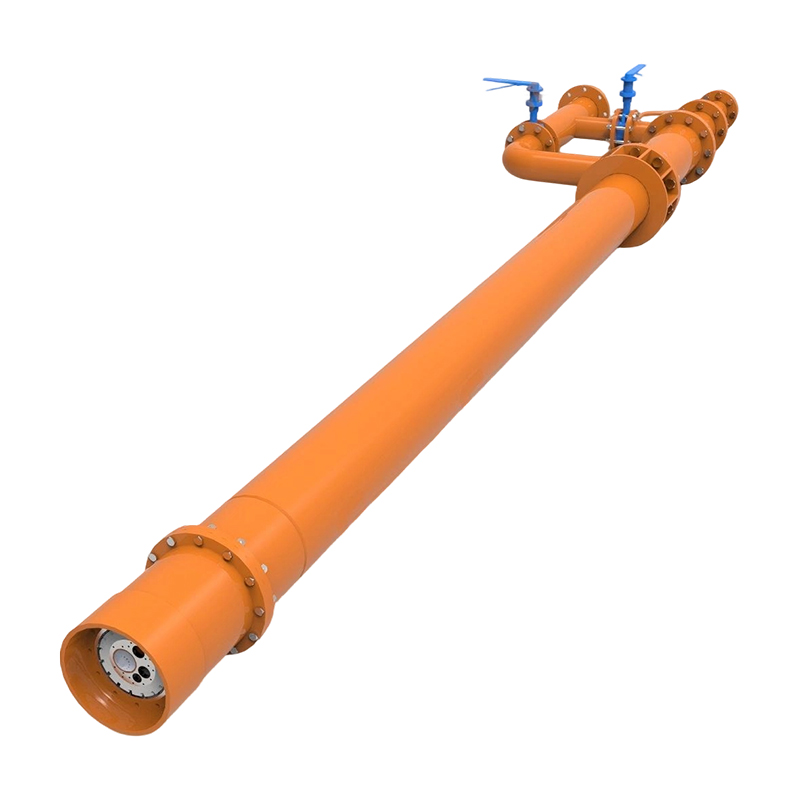
On multi-channel rotary kiln burners, these functions map to separate channels — core fuel, axial air, swirl air, and transport air — so operators reshape the flame in service instead of accepting a fixed geometry. GENERALFLAME states that its patented ALVS adjustable burner improves adjustability and reduces the loss of nozzle adjustment precision at high temperature, a detail that matters once a kiln runs for months between shutdowns.
Realistic expectations prevent painful procurement surprises. Order-of-magnitude stack figures (always confirm the O2 reference basis first):
Air preheating, furnace pressure, load swings, and fuel nitrogen content all move these numbers. That is why a credible supplier guarantees NOx against a defined fuel analysis, load range, combustion air temperature, and O2 basis — measured at your stack, not reproduced from a laboratory brochure. For kiln-specific channel design and tuning practice, the low-NOx rotary kiln burner technical guide goes into more depth.
A low-NOx burner is process equipment first and an emissions device second. The same nominal heat duty behaves very differently in a cement kiln, a spodumene calciner, and a hazardous-waste incinerator, so it pays to work with a manufacturer that starts from your material and process data rather than fuel input alone. Jiangsu Jufeng Thermal Technology (GENERALFLAME), for example, develops process-specific kiln burners for lepidolite, spodumene, ferro-nickel, zinc oxide, and pellet applications, and reports that it has been named a global supplier to the Imerys Group — external scrutiny that reflects process understanding as much as build quality.
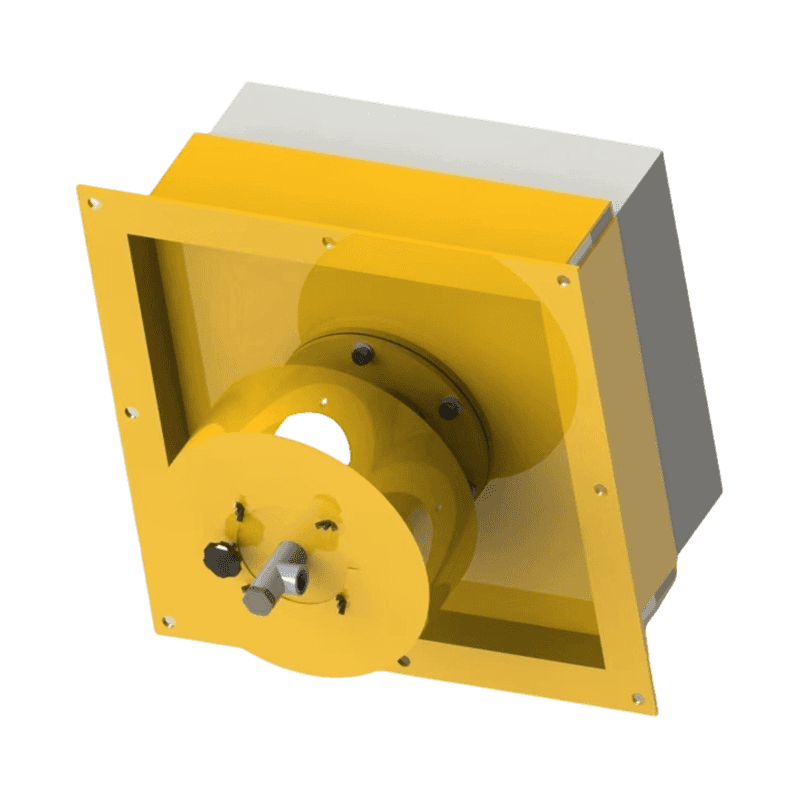
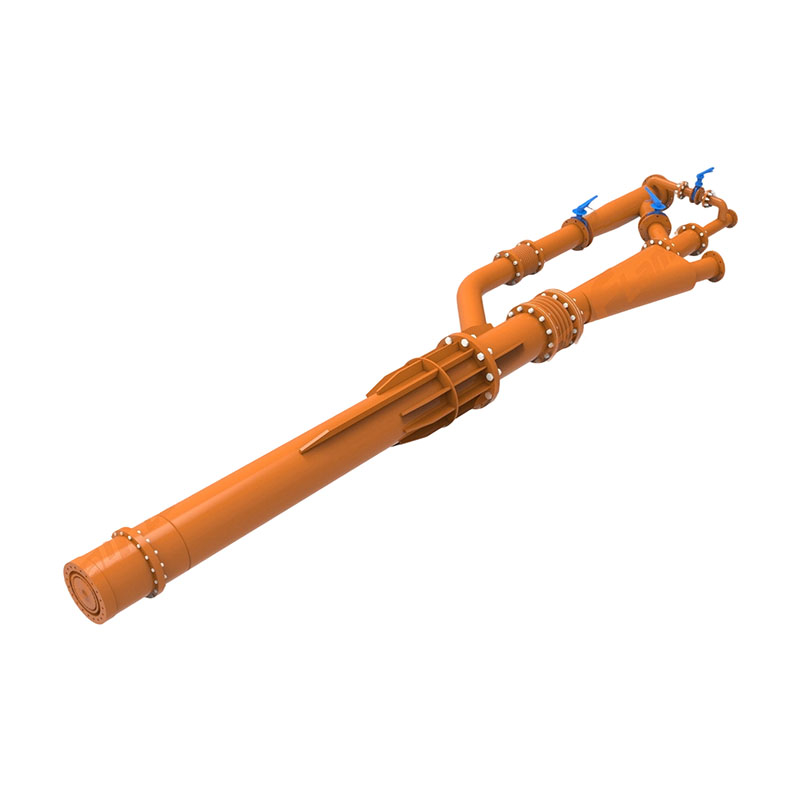
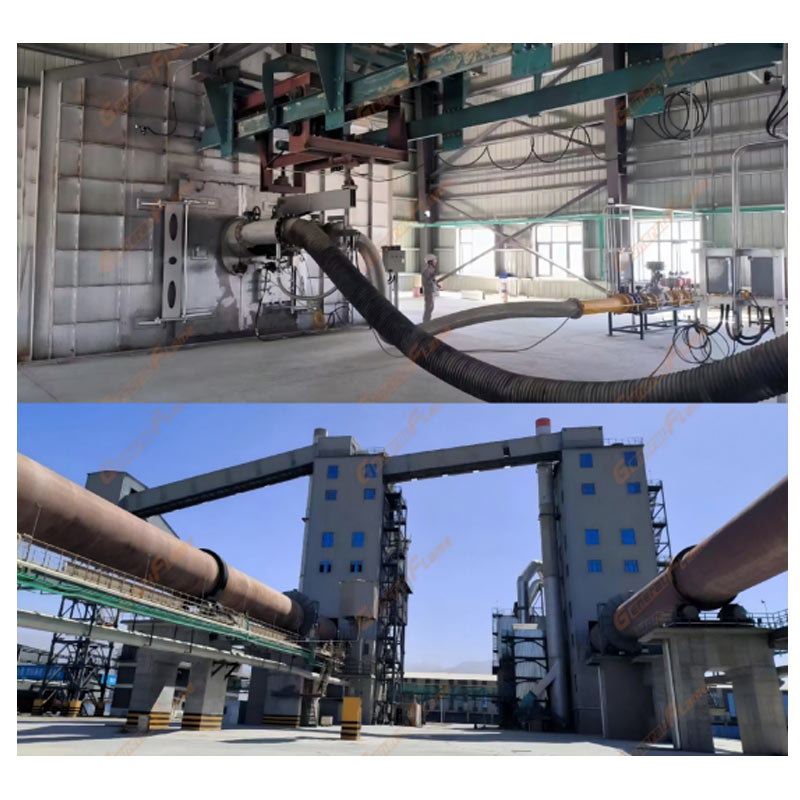 GeneralFlame ALVS Rotary Kiln BurnerThis patented multi-channel burner with Laval adjustable nozzle and variable-pitch swirl generator lets operators reshape flame geometry in service, fitting process-specific applications from lithium materials to cement.View Product →
Plants that start on natural gas often face pressure to burn coal, heavy oil, or alternative fuels as energy prices move. Burners designed for co-combustion let you re-optimize flame settings per fuel instead of compromising one geometry for all of them — an increasingly common requirement in biomass substitution and waste-to-value projects.
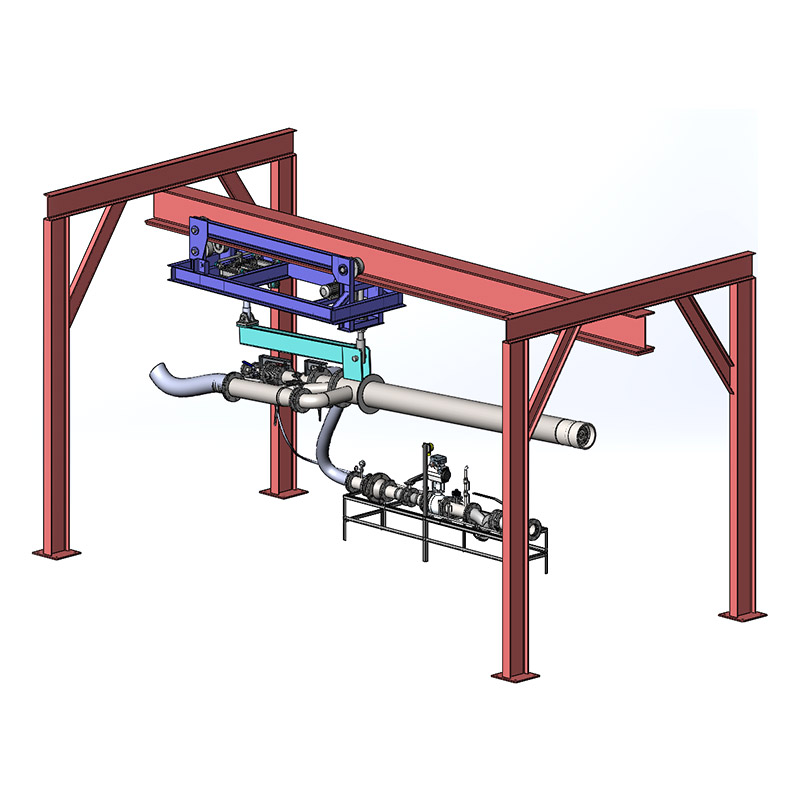
 Multi-Fuel Co-combustion Kiln BurnerAvailable in gas-oil, gas-coal, gas-biomass and diesel-coal combinations, this burner lets plants re-optimize flame settings per fuel as energy prices shift, a key option for biomass substitution projects.View Product →
Walk through this list with any candidate supplier; each item maps to a failure mode seen repeatedly in retrofits:
The most common purchasing mistakes run the other way: selecting on laboratory NOx data for clean gas when the plant burns nitrogen-bearing fuel, oversizing the burner so it never reaches its design regime, or skipping site tuning because the schedule is tight. Each of these turns a sound design into a disappointing installation.
Around or below the 100–150 mg/Nm³ mark, combustion control alone rarely closes the gap on solid-fuel kilns. Selective non-catalytic reduction injects urea or ammonia into the flue gas inside a temperature window of roughly 850–1,050 °C, where the reagent reduces NOx to nitrogen and water without a catalyst. Removal efficiency typically lands between 30% and 70%, and it depends heavily on how steadily the temperature window and residence time are held.
This is where the burner and the abatement system stop being separate purchases. A stable, well-staged flame keeps the temperature window where the SNCR lances expect it; a wandering flame drives reagent consumption up and efficiency down. GENERALFLAME supplies kiln combustion management and SNCR systems as integrated deliveries — its SNCR denox project for rotary kilns shows how the two technologies are paired on a live installation. For still stricter limits, SCR remains the final downstream step, at a clearly higher capital cost.
Treat the low-NOx burner as part of your process, not an accessory to it. Start from three numbers — your current stack NOx, your permit limit, and your fuel nitrogen content — and the right mix of burner design, tuning, and downstream SNCR usually becomes obvious quickly. Suppliers with kiln-specific project experience can pre-shape the flame before the first commissioning visit, and that is the cheapest NOx reduction you will ever buy.


 OEM/ODM High-Performance Combustion & Thermal Equipment Manufacturers
 English
 русский
 Français
 Español
 عربى
عربى