Content
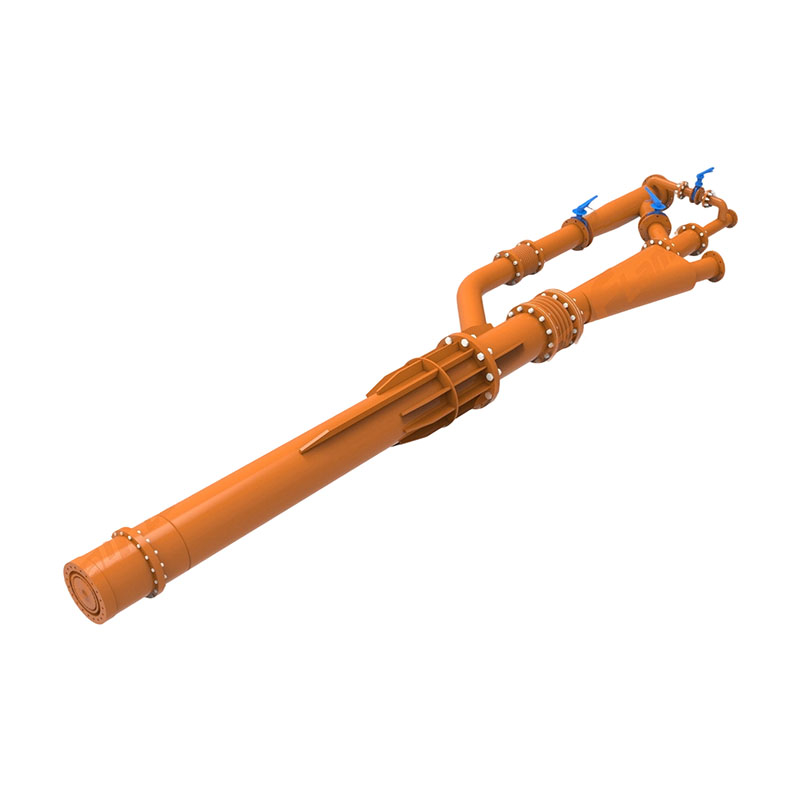
Consider a forging shop in eastern China that replaced its aging heating furnace burner with the cheapest imported unit available. Within three months, the operators were scraping carbon off the nozzle and electrode assembly every week, the furnace needed twenty extra minutes to reach soak temperature, and natural gas consumption was up 11 percent. The burner was not defective. It was simply the wrong burner for that furnace.
That pattern repeats in plants of every size. Heating furnace burner selection is a process-engineering decision, not a spare-parts purchase. The burner controls fuel flow, flame shape, and heat distribution inside the furnace, and those three variables set the ceiling for product quality and fuel economy. This guide covers how industrial heating furnace burners work, how to match them to the furnace, the failure modes that drive most service calls, and the efficiency gains available from modern low-NOx and multi-fuel designs.
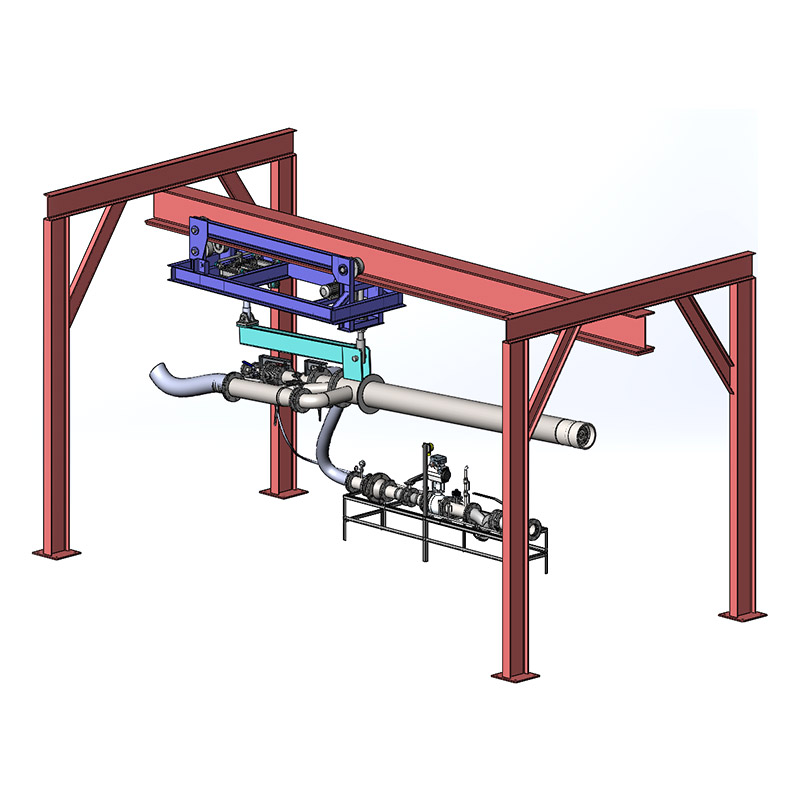
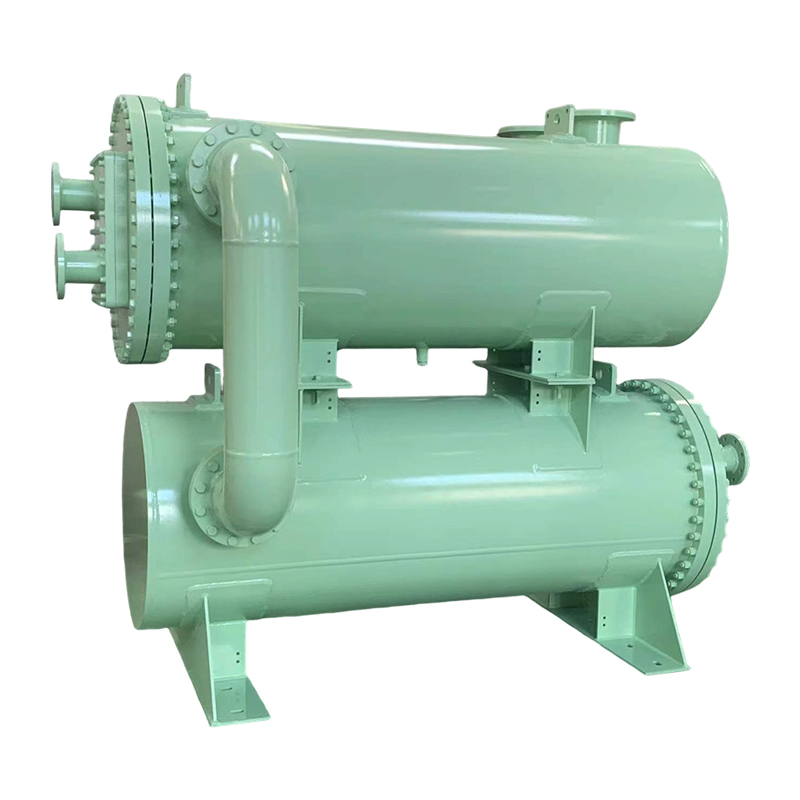 Industrial Heating Furnace Burner for Metal Hot WorkingThis burner is part of a complete heating furnace system with low-NOx combustion and waste heat recovery, supporting uniform temperature control for forging and heat treatment processes.View Product →
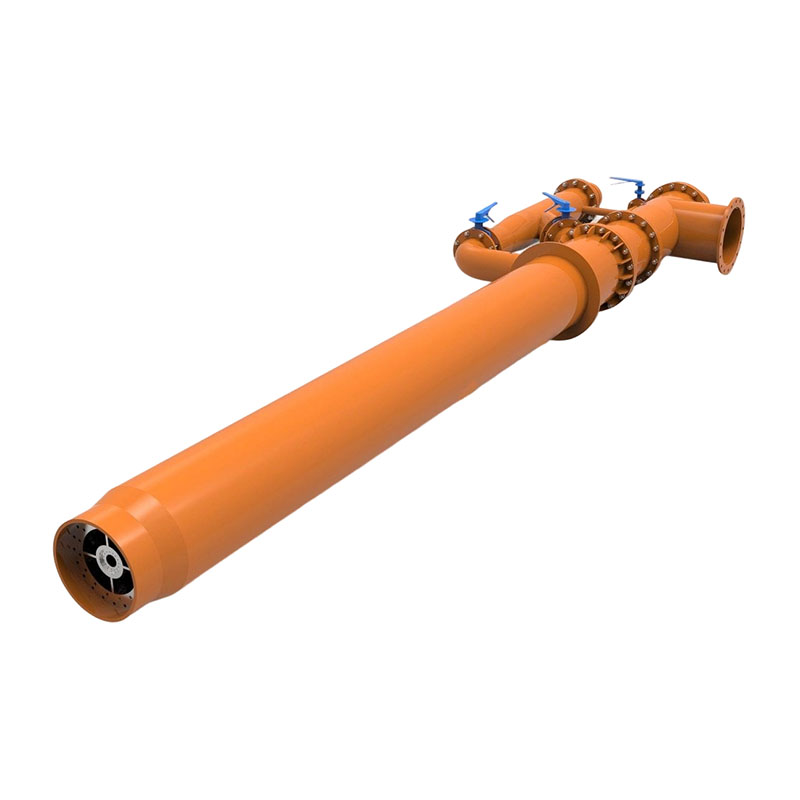
A heating furnace burner has four jobs: meter the fuel, supply combustion air in the correct ratio, ignite the mixture, and stabilize the flame across the full firing range. In a gas burner, fuel enters through the gas train and mixes with air inside the burner body or at the flame front. In a liquid fuel burner, the fuel must first be atomized into fine droplets so that each droplet evaporates and burns quickly. Solid fuel burners carry pulverized coal or biomass in an air stream and suspend the particles in the flame zone.
Flame shape matters as much as flame temperature. A short, bushy flame radiates heat close to the wall; a long, lazy flame carries heat deeper into the chamber. If the flame impinges on the charge, you get localized overheating, scale, and surface defects. If the flame lifts off the burner, you get pulsation, CO spikes, and wasted fuel. That is why the same burner model can perform differently in a three-meter chamber and a nine-meter chamber.
Modern industrial burners also include flame supervision, ignition electrodes, and combustion air fans, and they interface with a burner management system (BMS) for start-up sequencing and trip logic. When the burner is part of a larger process line, these controls become as important as the combustion itself.
The practical choice for a heating furnace usually comes down to gas, liquid fuel, solid fuel, or a combination of two or more. Each family has distinct fuel-handling hardware and flame characteristics.
| Burner type | Fuel | Typical duty | Key advantage | Main limitation |
|---|---|---|---|---|
| Gas fuel burner | Natural gas, LPG, syngas | Heat treatment, forging, annealing | Clean flame, wide turndown | Requires a reliable gas supply |
| Liquid fuel burner | Diesel, heavy oil, waste oil | Remote plants, backup duty | High energy density, stored on site | Atomization and fuel heating needed |
| Solid fuel burner | Pulverized coal, biomass | Large kilns, dryers | Low fuel cost | Ash handling and milling system |
| Multi-fuel burner | Gas, oil, solid combinations | Plants with variable fuel supply | Fuel switching to follow prices | More complex controls |
| Low-NOx burner | Gas or oil | Emission-regulated sites | Reduces NOx without add-on treatment | Requires staging zones in the flame |
Gas burners dominate heat treatment and forging because combustion is clean and the turndown is generous. Liquid fuel burners appear where gas supply is interruptible or where plants buy heavy oil on price. Solid fuel burners are limited to large kilns and dryers that already have fuel preparation. Multi-fuel burners are becoming common in plants that switch fuels to follow energy prices or contractual gas availability.
Start with the process, not the burner. Record the furnace firing rate range, the duty cycle (batch or continuous), the fuel available, and the local emission limit. Then evaluate burner offers against these six criteria:
Getting these six inputs right at the start is cheaper than tuning around a wrong burner later. Retrofitting a different flame length or air ratio system usually means new refractory, new piping, and weeks of process disruption.
Most burner failures are not sudden. They are gradual, and they announce themselves through rising fuel consumption, soot, or ignition problems. Three failure modes account for the majority of service calls.
Carbon fouling of the nozzle and electrode assembly. This is the classic failure with liquid fuel burners. It happens when atomization quality drops, usually because the fuel temperature is too low, the nozzle is oversized for the actual firing rate, or the combustion air supply has dropped. The fix is not more frequent cleaning; it is correcting the atomization and air settings so the carbon stops forming.
Intermittent ignition. A burner that lights only after a knock or repeated retries is telling you the flame sensor is dirty, the electrode gap has drifted, or the ignition transformer is weak. These are five-minute diagnoses with the right test kit, but they become expensive when treated as a burner fault and the whole unit is replaced.
Rust and corrosion of the burner body. Moisture is usually the culprit: leaks from furnace door seals, condensation in the combustion air duct, or a bypassed drain in the fuel train. Rust inside the burner distorts the air passages and changes flame shape long before metal failure. We explain each of these failure modes and the diagnostic sequence in more detail in our article on why heating furnace burners fail.
Excess air is the single biggest efficiency lever available to a furnace operator. Every molecule of excess air that enters the furnace leaves through the stack carrying heat with it. At 50 percent excess air, the flue gas loss from a furnace operating near 900°C can be roughly double the loss at 10 percent excess air. The counterweight is incomplete combustion: too little air creates CO, soot, and unburned fuel. The operating window is narrow, which is why flue-gas oxygen trim is a standard upgrade on industrial heating furnace burners. A complete efficiency plan has to combine burner setting, furnace pressure control, and charge scheduling, and we have collected the practical steps in this heating furnace burner efficiency guide.
NOx is the second constraint. In most industrial heating furnaces, NOx forms from nitrogen in the combustion air reacting at high flame temperature. The two design responses are staging, which delays part of the combustion air so the peak flame temperature drops, and flue gas recirculation, which dilutes the flame. Both reduce NOx without sacrificing heat release. For plants under an emission cap, choosing a low-NOx burner up front is far cheaper than adding selective catalytic or non-catalytic reduction later, because the upstream equipment and ductwork are already sized for the flame.
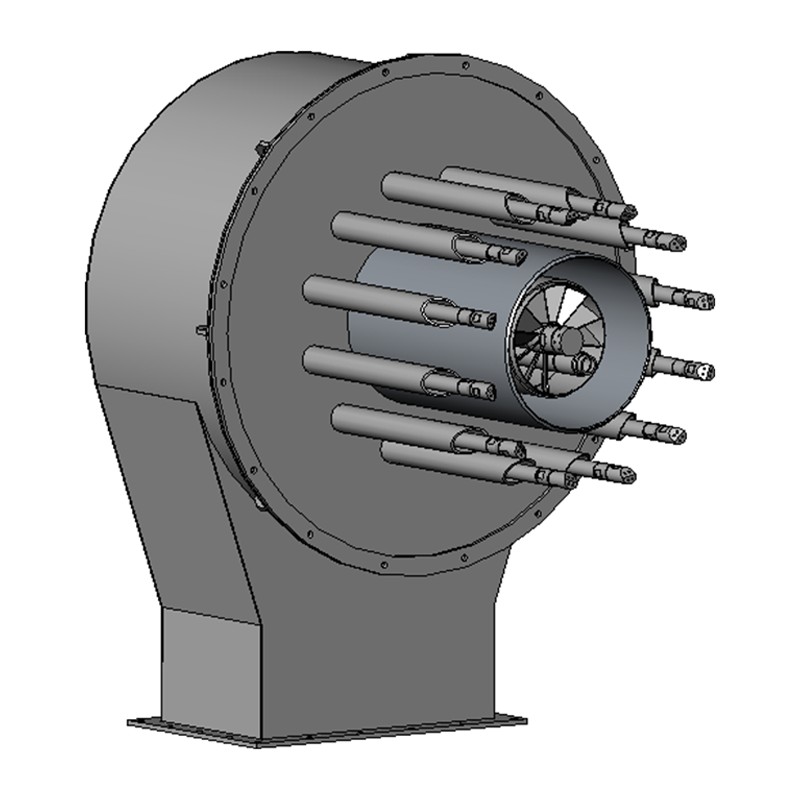
 Low-NOx Burner with Flue Gas RecirculationDesigned to keep NOx emissions under 30 mg/m³ using staged combustion and FGR, this burner suits emission-regulated industries while claiming high efficiency and smart PLC monitoring.View Product →
The operating profile of the furnace determines which burner characteristics matter most.
Heat treatment furnaces run long batches and idle between them. They need wide turndown, tight temperature uniformity, and a clean flame that does not mark the work. A gas fuel burner with proportioning air control and a long flame is the standard answer. Forging furnaces, by contrast, release a large amount of heat into a small chamber and need a compact high-intensity flame that heats fast without impinging on the billet. Aluminum melting furnaces need low-velocity combustion to limit metal oxidation and melt loss.
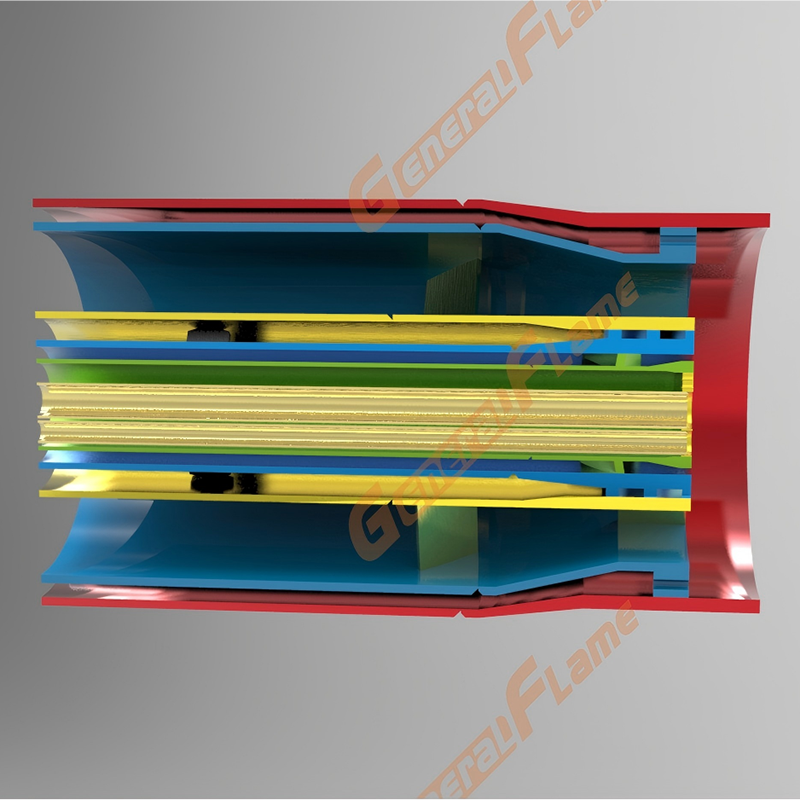 Long-Flame Gas Burner with Laval NozzleA gas burner with an adjustable Laval nozzle and swirl system for wide flame shaping, aimed at long-flame rotary kiln applications such as nickel-iron and lithium battery production.View Product →
Fuel flexibility is becoming a commercial requirement as well. Plants on interruptible gas tariffs, or those with access to captive biomass gas, often choose a multi-fuel burner so the production line keeps running through price spikes. Companies that operate a standard heating furnace burner on natural gas can switch to oil or a gas-oil combination with a multi-fuel design, adding supply security without down-rating the furnace.
Whichever product family you evaluate, the selection method is the same: define the furnace geometry, firing range, fuel, and emission limit first, then let the burner engineering match the flame to the process. Get those inputs right and the heating furnace burner becomes a reliable workhorse, the kind that gets ignored for years because it never gives anyone a reason to call.


 OEM/ODM High-Performance Combustion & Thermal Equipment Manufacturers
 English
 русский
 Français
 Español
 عربى
عربى