Content
An operations manager at a rotary kiln plant recently asked us how much a gas fuel burner would change on a line that had always fired heavy oil. The short answer is that it changes the two numbers the plant is measured on: fuel cost per tonne of product and emission compliance. A gas burner responds to load changes in seconds, holds the kiln temperature profile tighter than any liquid-fuel flame, and delivers clean combustion with less excess air. Those differences decide whether a batch of calcined material comes out consistent or has to be reworked.
An industrial gas fuel burner is a device that converts the chemical energy of a gaseous fuel into a controlled, stable flame inside a kiln, furnace, or boiler. Natural gas is the most common fuel, but the same burner platform can fire LPG, LNG, hydrogen, biogas, or plant off-gas. What separates it from a simple gas torch is the integration of the gas train, combustion air supply, flame stabilization, and safety interlocks into a single engineered package.
Every gas fuel burner performs four functions: regulate the fuel supply, mix it with the right amount of combustion air, stabilize the flame at the nozzle, and shape the flame so heat is released where the process needs it. The gas train handles pressure and metering; the combustion air fan controls the oxidant; the flame retention head creates a stable ignition zone; and the control system trims the fuel-air ratio continuously as load changes. When any one of these functions is undersized, the burner becomes the bottleneck of the entire production line.
Gaseous fuel is not a fixed substance. Natural gas varies in methane content and calorific value, hydrogen burns faster and hotter, and biogas carries a different share of inert gases. Combustion engineers describe this variation with the Wobbe Index, which normalizes calorific value by gas density. A burner intended for fuel switching must be designed around the Wobbe range of all candidate fuels, not around a single spot sample. This small detail at the specification stage prevents costly flame instability after commissioning.
Industrial gas burners are grouped into a few design families, and the differences between them show up as flame length, turndown, and tolerance for preheated air. Choosing the wrong family at the start means living with an inefficient flame for the life of the equipment.
In a nozzle-mix burner, fuel and combustion air meet at the burner outlet and mix by turbulence along the flame length. The flame is long and luminous, which suits rotary kilns and large furnace chambers where heat should be released gradually along the process axis. Nozzle-mix burners also tolerate high combustion air preheat, a major advantage in plants with hot blast systems or waste heat recovery.
Premix burners combine fuel and air before the flame front, so combustion is fast and the flame is short and intense. This makes them the preferred choice for compact heating furnaces, dryers, and fired heaters where heat must be concentrated in a small volume. The trade-off is a higher sensitivity to flashback and a lower tolerance for highly preheated air.
Many plants refuse to be locked into a single fuel source. Multi-fuel gas burners can switch between natural gas, LPG, hydrogen, and liquid fuel, either during operation or after a defined changeover procedure. For a rotary kiln line, this creates two commercial advantages: the plant can buy fuel on a spot basis, and it can raise the hydrogen share gradually as supply becomes available. The control system is more complex, but for many operators that complexity is a fair price for fuel security.
| Design family | Flame character | Typical application | Main constraint |
|---|---|---|---|
| Nozzle-mix | Long, luminous | Rotary kilns, large furnaces | Needs chamber length for full burnout |
| Premix | Short, intense | Furnaces, dryers, fired heaters | Flashback risk at high preheat |
| Multi-fuel | Varies by fuel | Plants with fuel flexibility needs | Higher control system complexity |
The commercial case for gas firing comes down to four measurable outcomes: tighter temperature control, lower excess air, fewer combustion contaminants, and a simpler maintenance schedule. These are direct consequences of firing a clean, predictable gas rather than an atomized liquid or a pulverized solid.
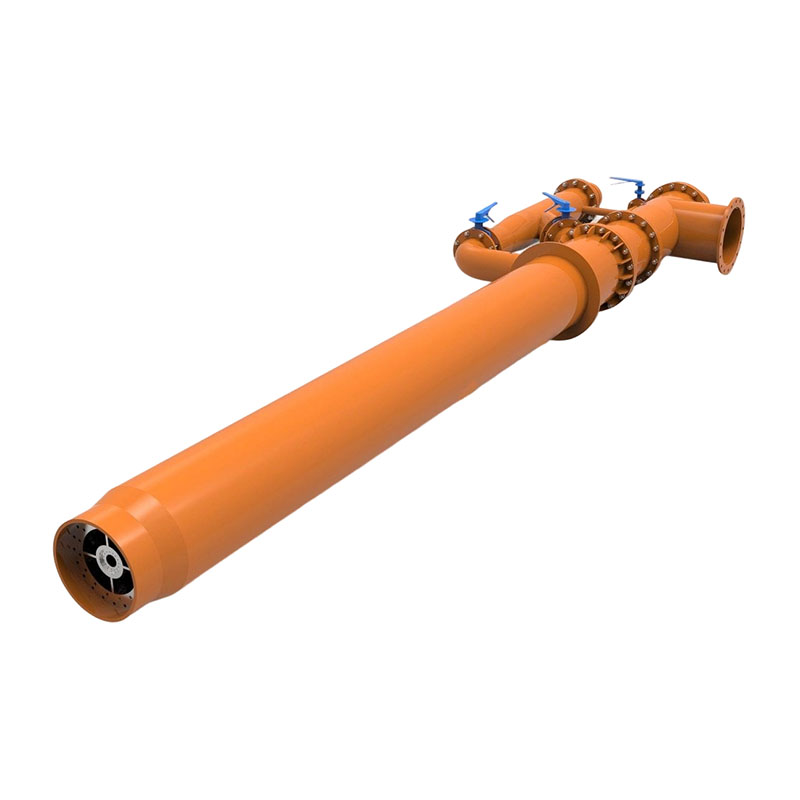
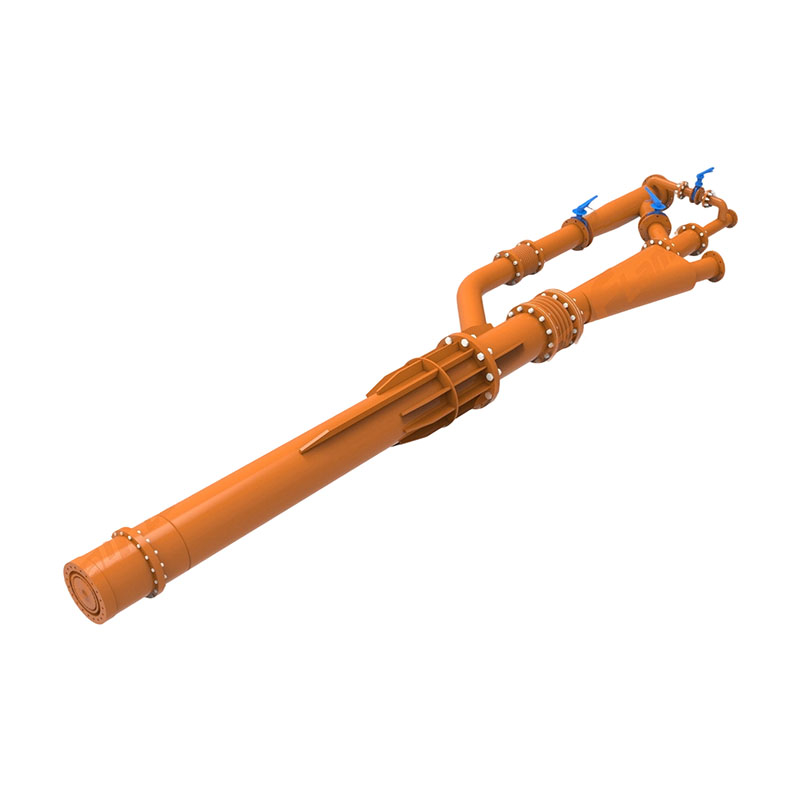
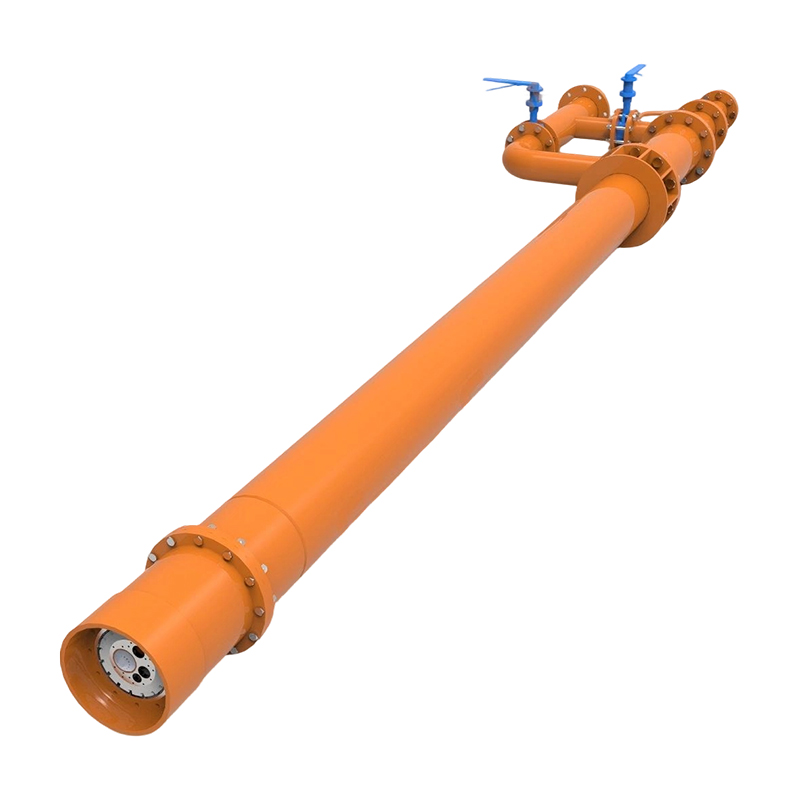
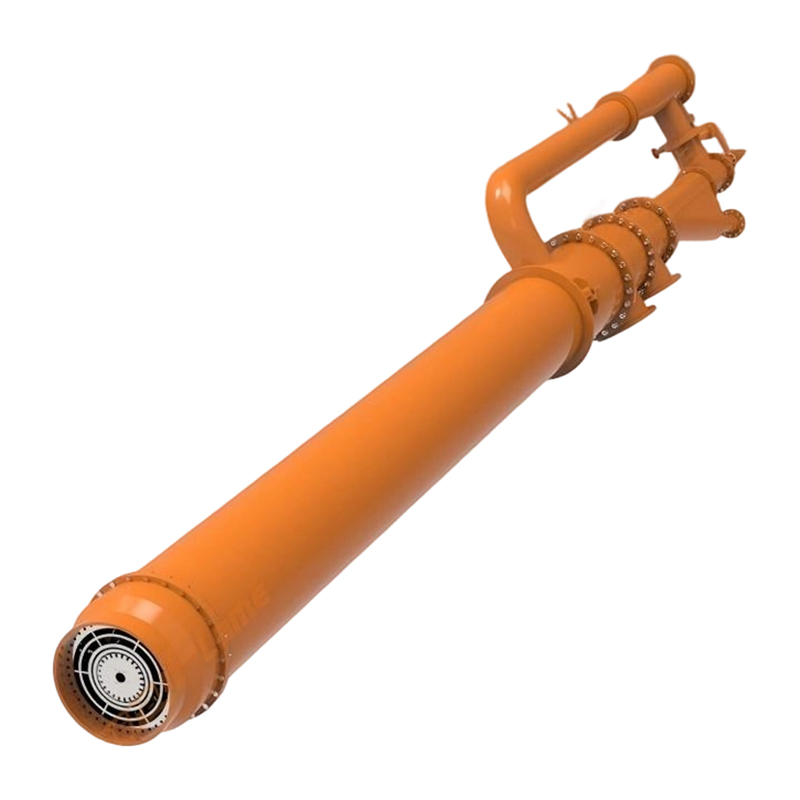
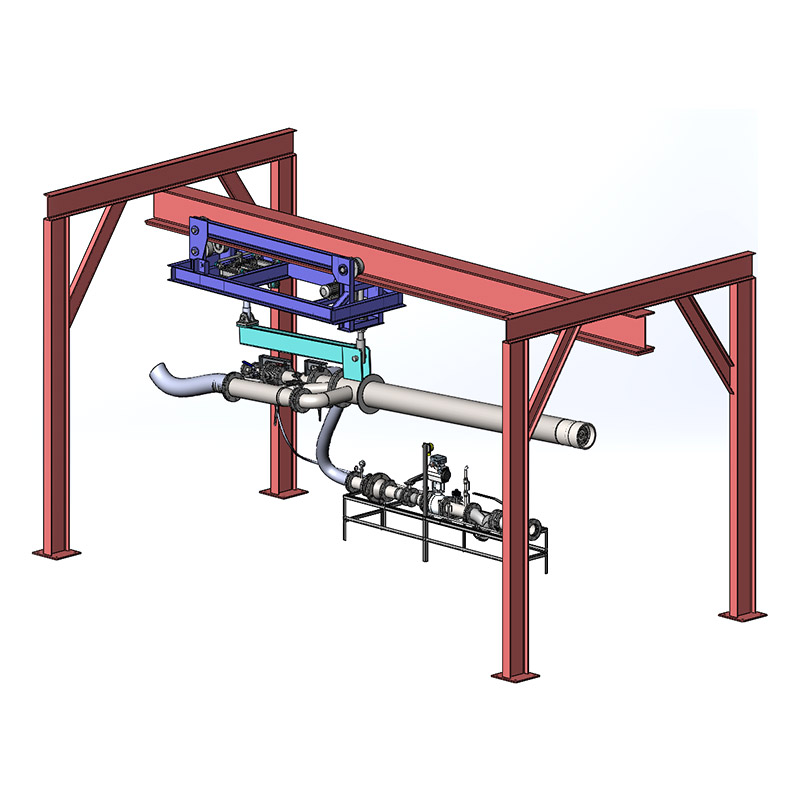
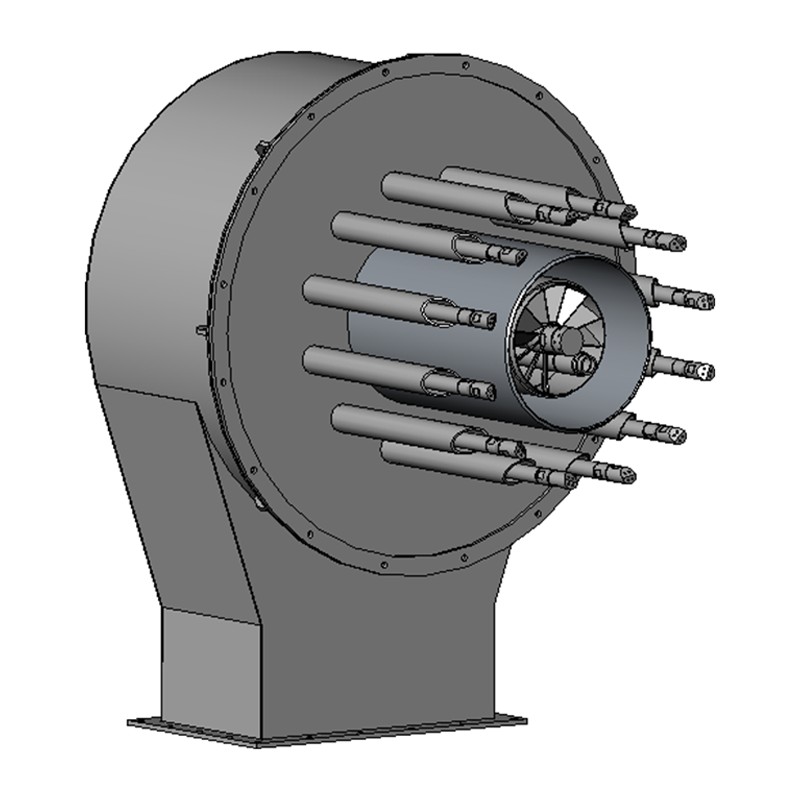
A plant that is replacing an existing burner or equipping a new line needs equipment sized to the process, not adapted from a catalog. The industrial gas fuel burner range from GeneralFlame is engineered for continuous duty and covers thermal capacities from process heaters up to full-sized rotary kiln main burners, with the gas train and control logic matched to the fuel specification. That single-supplier scope is what makes performance guarantees enforceable in practice.
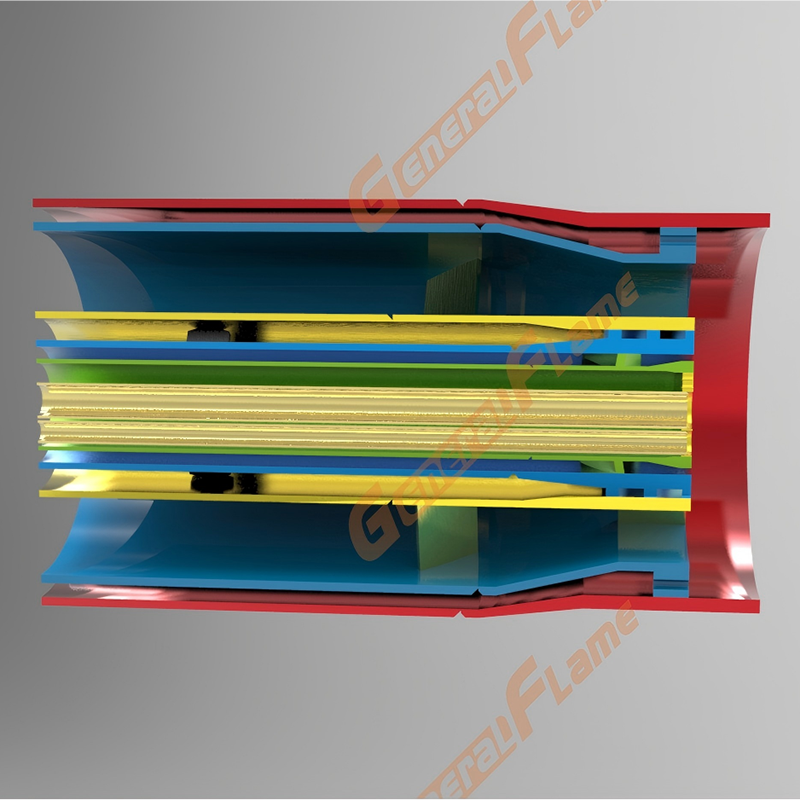 Custom Gas Fuel Burner Manufacturers, Suppliers, OEM/ODM Factory - Jiangsu JufenJiangsu Jufeng Thermal Technology Co.,Ltd is China Custom Gas Fuel Burner Manufacturers and OEM/ODM Gas Fuel Burner Suppliers, Factory, D...View Product →
Gas fuel burners are the standard heat source in cement and lime production, non-ferrous metal calcination, lithium salt conversion, nickel laterite processing, magnesium production, steam methane reforming, and waste treatment. In each case, the temperature profile inside the kiln decides the chemical result.
The rotary kiln is the hardest application for any burner. The flame must be long enough to transfer heat along the kiln axis, yet stable enough to avoid hot spots on the refractory or the feed end. Gas firing gives the engineer direct control over swirl, momentum, and air staging, which is why nearly all new lithium, nickel, and magnesia kilns are specified for gas. Our lepidolite rotary kiln burner project illustrates the payoff: matching the flame profile to the narrow thermal decomposition window of the ore stabilized both yield and product purity.
Where the kiln needs the complete heat-release package, GeneralFlame supplies rotary kiln gas burners together with burner management and flame safety logic, so design responsibility for combustion stays with one supplier.
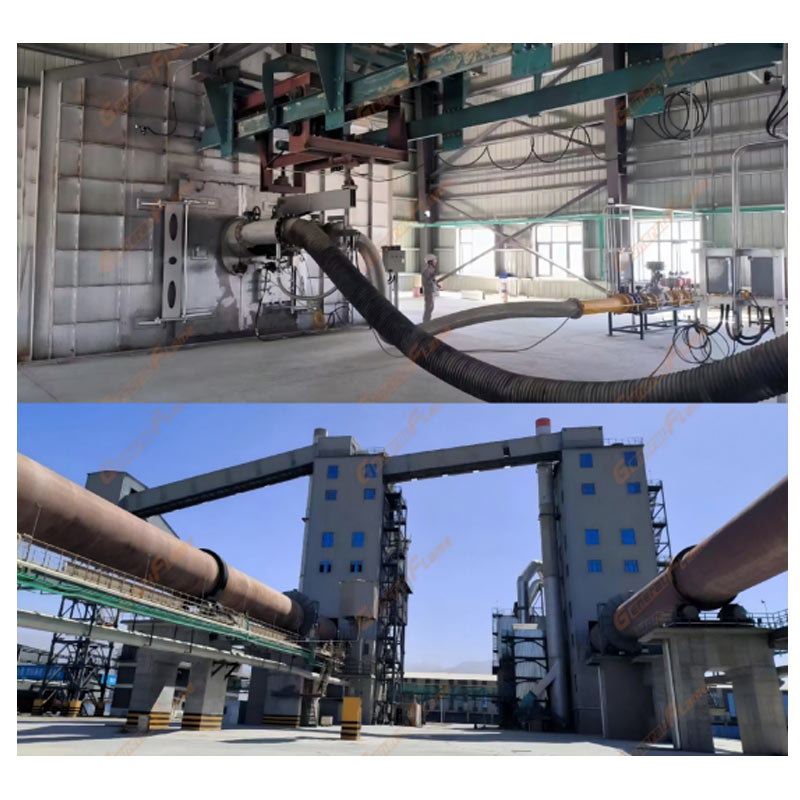 Rotary Kiln Burner For Cement Plant Manufacturers, SuppliersAs China Rotary kiln burner for cement plant manufacturers and OEM/ODM Lime kiln burner Suppliers, Factory, Jiangsu Jufeng Thermal Techno...View Product →
Heating furnaces in metal treatment, hot blast furnaces in mineral processing, and fired heaters in chemical plants all rely on the fast response and clean combustion of gas. These applications often specify a furnace atmosphere rather than a simple temperature setpoint, and gas firing is the most direct way to control oxidizing and reducing conditions inside the chamber. Jufeng's industrial furnace and combustion technology solutions cover burner selection, control integration, and field tuning for this class of equipment.
Gas fuel burners in steam methane reformers provide the heat that drives the endothermic reforming reaction. Operators now routinely specify hydrogen-ready burners so that the same equipment can accept hydrogen-enriched fuel as the plant's decarbonization roadmap develops. Flame stability and flame detection at high hydrogen fractions are the details that decide whether a burner can be converted or must be replaced.
Nitrogen oxide formation is a function of flame temperature and oxygen concentration at the flame front. A gas burner designed for low NOx from the start can meet strict limits with staged combustion and internal flue gas recirculation, avoiding the pressure drop and maintenance cost of a large external deNOx system.
GeneralFlame offers low NOx gas burners that combine combustion staging, air staging, and internal flue gas recirculation in a single burner body. Depending on fuel composition and kiln temperature, these designs hold NOx within current national limits while maintaining a stable flame at low load.
 Custom Low Nox Industrial Burner Manufacturers, Low-Nox Burner SuppliersJiangsu Jufeng Thermal Technology Co.,Ltd is China Low NOx industrial burner manufacturers and OEM/ODM Industrial furnace low NOx burner ...View Product →
Retrofit is always more expensive than specification. The burner is the primary emission control device on any kiln, and it should be selected with the emission certificate in mind, not as an afterthought.
Selection should run from the process requirements back to the burner rating. If you evaluate only thermal capacity, you get a burner that fires but does not fit the process. Work through the six points below in order.
Burners represent a small portion of a kiln line by mass, but they decide the fuel bill, the emission certificate, and the consistency of the product for a decade or more. The combustion engineering team at Jiangsu Jufeng Thermal Technology has applied this process across lithium, nickel, ferrosilicon, magnesia, and waste treatment projects. If you are evaluating a gas fuel burner for a kiln or furnace, contact our engineers with your fuel data and kiln parameters for a technical assessment.


 OEM/ODM High-Performance Combustion & Thermal Equipment Manufacturers
 English
 русский
 Français
 Español
 عربى
عربى