Content
A solid fuel burner is a combustion device that generates heat by burning solid materials such as wood, coal, biomass pellets, or anthracite. Unlike gas or oil systems, solid fuel burners give you fuel flexibility, often lower running costs, and independence from utility supply disruptions. Whether you're heating a single room or an entire building, the right solid fuel burner can deliver reliable, cost-effective warmth — but only if you match the unit to your fuel type, space, and efficiency expectations.
At its core, a solid fuel burner draws air into a combustion chamber, ignites the fuel, and transfers the resulting heat to the surrounding space or a water-based heating circuit. Most modern units operate through one of three combustion methods:
A secondary air wash system, found in most quality stoves and burners, directs clean air across the glass door to keep it clear and to combust unburned gases — dramatically cutting particulate emissions and increasing heat output from the same amount of fuel.
The term "solid fuel burner" covers a wide range of appliances. Understanding each type helps you choose the one that fits your situation.
Designed exclusively for seasoned or kiln-dried logs, wood-burning stoves are the most popular solid fuel appliance in the UK and North America. Modern DEFRA-exempt models meet strict particulate emission limits, making them legal in Smoke Control Areas. Output ranges from 4 kW to 12 kW for domestic units, with efficiencies typically between 75% and 85%.
Multi-fuel stoves accept wood, coal, anthracite, and manufactured smokeless fuels. They include a raised grate to allow ash to fall through and airflow beneath the fuel — essential for coal combustion. This versatility makes them ideal for homes without a guaranteed wood supply. Efficiency ratings usually sit at 70–82%, slightly lower than dedicated wood burners.
Pellet burners use compressed biomass pellets fed automatically from a hopper, allowing near-continuous operation with minimal manual intervention. They are among the most efficient solid fuel options, with efficiency ratings of 87–95%. Many models include programmable thermostats and can connect to a central heating circuit. The trade-off is a higher upfront cost and dependence on pellet supply.
Solid fuel boilers integrate with a home's wet central heating system, heating radiators and domestic hot water. They are available in manual-load log boilers, coal boilers, and fully automatic pellet boilers. Output typically ranges from 15 kW to 100+ kW, making them suitable for large homes, farms, or small commercial premises.
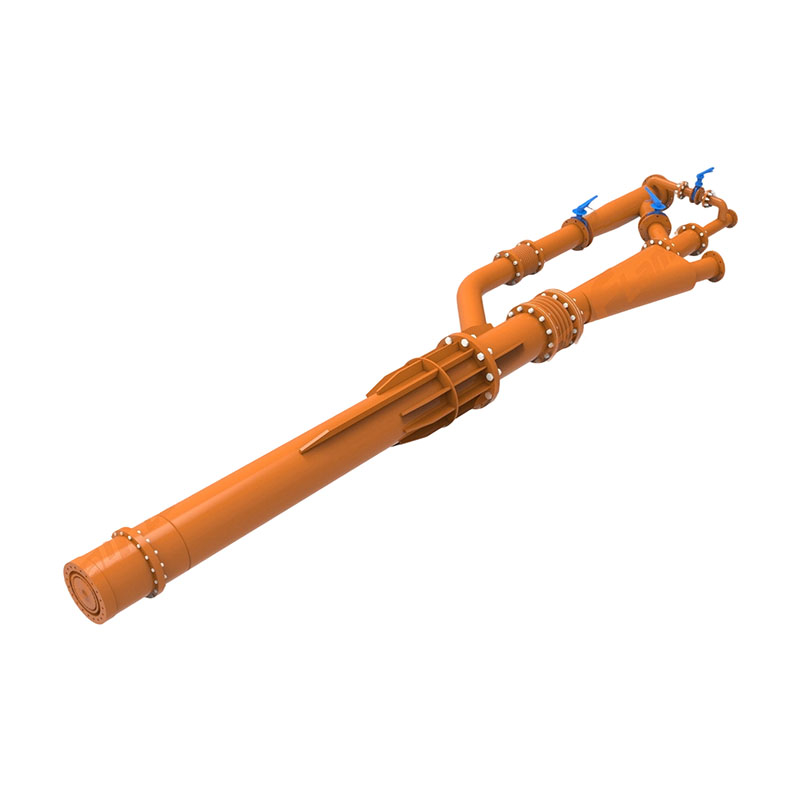
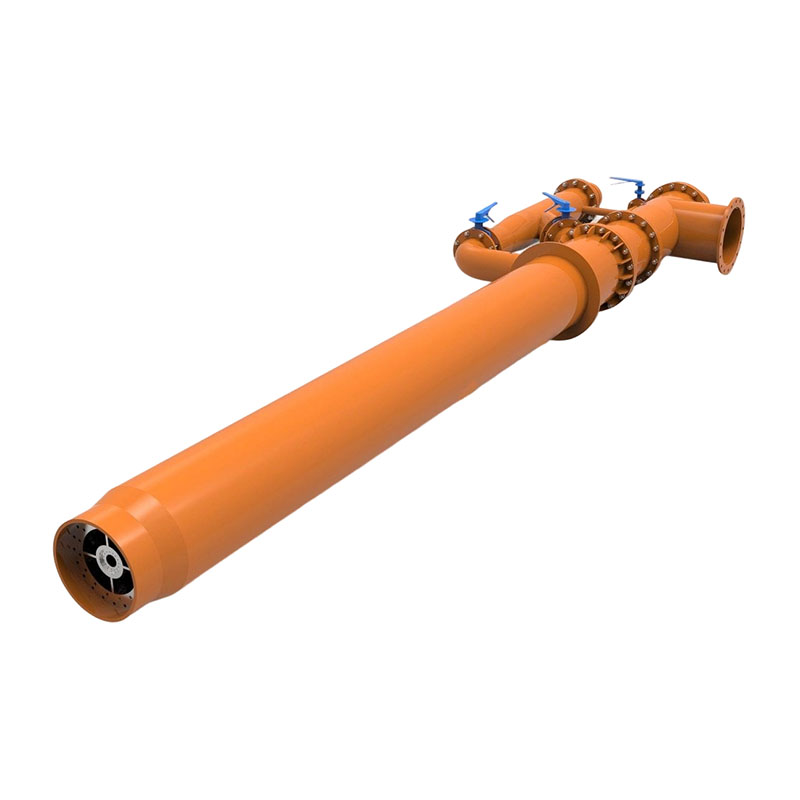
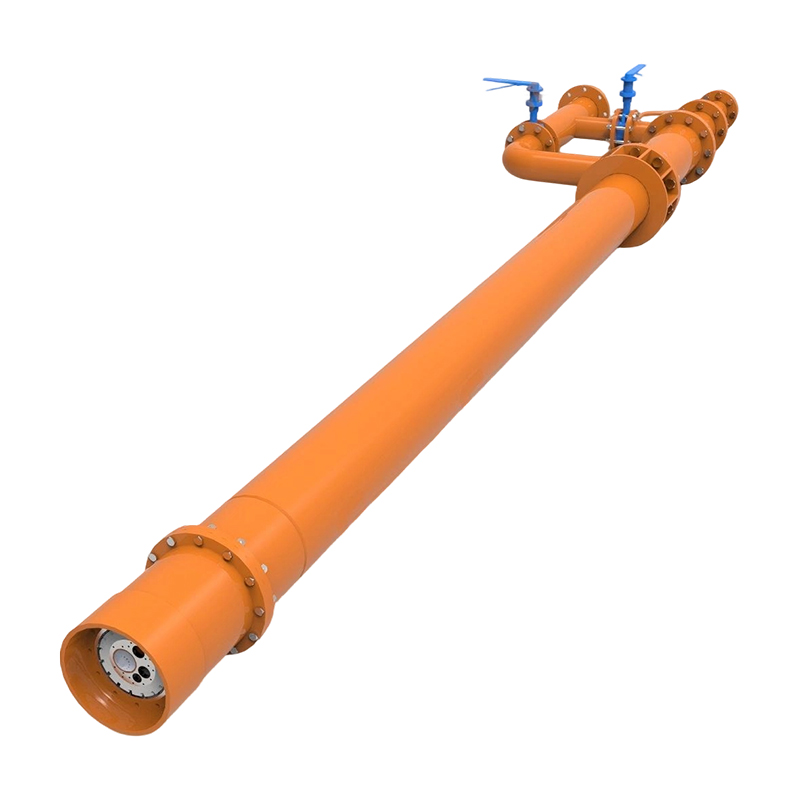
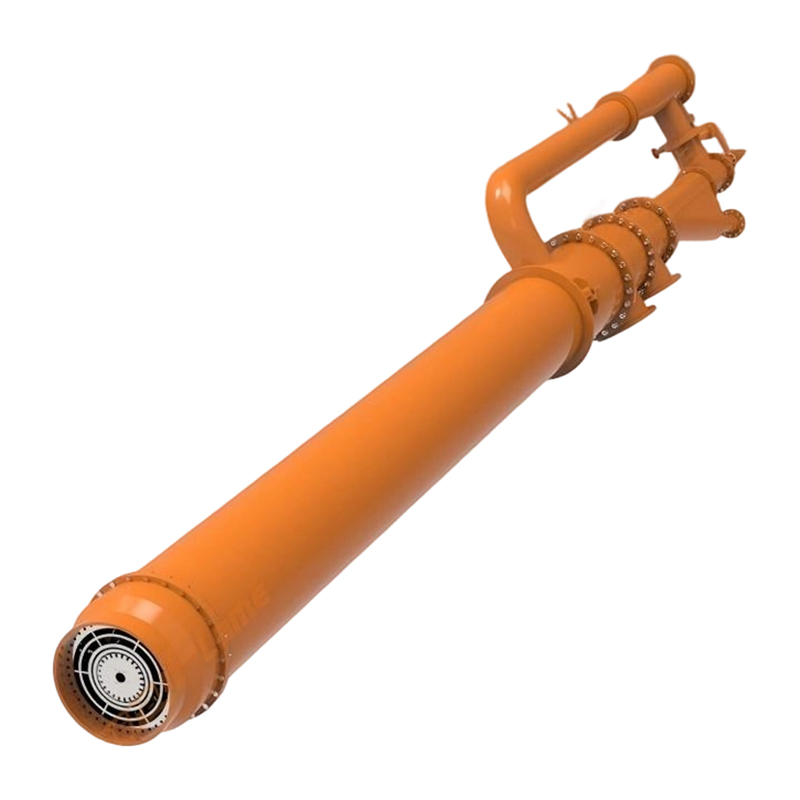
At an industrial scale, solid fuel burners are used in biomass power plants, kilns, furnaces, and district heating systems. These units can burn agricultural residues, wood chips, and municipal solid waste, with outputs measured in megawatts. Emissions control equipment such as electrostatic precipitators and bag filters are standard at this scale.
The fuel you use has a direct impact on heat output, burn duration, emissions, and running costs. The table below compares the most widely used solid fuels.
| Fuel Type | Calorific Value (MJ/kg) | Burn Duration | Emissions Level | Best Suited For |
|---|---|---|---|---|
| Kiln-Dried Logs | 14–17 | 1–3 hours | Low–Medium | Wood stoves, gasification boilers |
| Anthracite | 26–33 | 6–12 hours | Low (minimal smoke) | Multi-fuel stoves, boilers |
| Smokeless Coal Briquettes | 27–30 | 4–8 hours | Very Low | Smoke Control Areas |
| Wood Pellets | 17–19 | Continuous (auto-feed) | Very Low | Pellet stoves and boilers |
| Biomass Wood Chips | 10–14 (wet basis) | Continuous (auto-feed) | Low (when dry) | Commercial/industrial boilers |
Efficiency in a solid fuel burner refers to how much of the fuel's energy is converted to usable heat rather than lost through the flue or incomplete combustion. Here's what the typical efficiency bands mean in practice:
In the European Union, the Ecodesign 2022 regulations set minimum efficiency thresholds for solid fuel appliances sold after January 2022. Most compliant room heaters must reach at least 75% efficiency and meet strict particulate matter limits of under 40 mg/m³. In the UK, the equivalent standard for DEFRA-exempt stoves requires emissions below 2g/kg of particulates.
Choosing a burner that exceeds these minimums — such as an 80%+ rated stove — can cut your fuel consumption by 20–30% compared to an older 60% efficient unit, representing meaningful savings over a heating season.
Selecting the correct unit requires balancing heat output, fuel availability, installation constraints, and budget. Work through these key factors:
A rough guide is 1 kW per 14 m³ of room volume in a well-insulated modern home, or 1 kW per 10 m³ in an older, draughtier property. For example, a 40 m³ living room in an average UK semi-detached house would need approximately a 4–5 kW stove. Oversizing causes excessive heat, wasted fuel, and short burn cycles that increase wear; undersizing leaves rooms cold.
If you have reliable access to seasoned wood — for example, from managed woodland or a local supplier — a dedicated wood burner or gasification boiler makes economic sense. If your wood supply is inconsistent, a multi-fuel stove gives you the flexibility to switch to anthracite or smokeless fuel when needed. If convenience and automation matter most, a pellet burner with a large hopper allows days or weeks of hands-off operation.
In UK Smoke Control Areas, you must either use an approved smokeless fuel or install a DEFRA-exempt appliance. Burning ordinary house coal or wet wood in these zones is illegal and carries fines of up to £300 per offence. In the EU, Ecodesign-compliant labelling (A+ or higher for heat output efficiency) is mandatory for new appliances. Always verify your local requirements before purchase.
Solid fuel burners require a properly lined, insulated flue of the correct diameter — typically 150 mm (6 inches) for stoves up to 20 kW. An existing chimney may need a stainless steel liner installed, which costs £500–£1,500 in the UK depending on chimney height. Fitting must comply with building regulations (Part J in England and Wales) and should be carried out by a HETAS-registered installer.
Beyond fuel costs, budget for annual chimney sweeping (recommended at least once per year, or twice for heavy users), door rope and glass replacement every few years, and potential grate or baffle replacement. These consumable maintenance costs typically run £100–£250 per year for a domestic stove, still significantly less than servicing a gas boiler with heat exchanger cleaning and pressure checks.
A typical solid fuel stove installation in a UK home follows this process:
Total installed costs for a domestic wood or multi-fuel stove in the UK typically range from £1,500 to £4,000, depending on stove specification, flue liner length, and any structural work required. Pellet boiler installations run considerably higher — from £8,000 to £20,000 — but may qualify for the UK Boiler Upgrade Scheme grant of up to £2,500 (for biomass systems in off-gas properties).
Solid fuel combustion carries specific risks that must be actively managed:
Solid fuel burners occupy a complex position in the carbon debate. Wood and biomass are considered carbon-neutral in lifecycle terms — the CO₂ released during combustion equals the CO₂ absorbed by the tree during growth, provided the wood comes from sustainably managed sources. The UK government's Biomass Strategy (2023) reinforces this position while emphasising the importance of sustainable sourcing certification such as FSC or PEFC.
Coal and anthracite, however, are fossil fuels with no carbon-neutral argument. In terms of particulate emissions, modern high-efficiency stoves burning dry wood produce significantly less PM2.5 than older open fires — a 2022 DEFRA study found certified stoves emitted up to 80% fewer particles than open coal fires. This underscores the importance of burning the right fuel in an appropriately certified appliance, rather than the fuel type alone being the determining factor in environmental impact.
A solid fuel burner is a practical, cost-effective heating solution when correctly specified, installed, and maintained. For most homeowners, a DEFRA-exempt wood or multi-fuel stove in the 5–8 kW range offers the best balance of efficiency, fuel flexibility, and installation cost. Those seeking whole-home heating and greater automation should consider a pellet boiler, accepting the higher upfront investment in exchange for 90%+ efficiency and minimal daily attention. In all cases, prioritise dry, quality fuel, annual chimney sweeping, and a working CO alarm — these three measures alone determine whether your solid fuel burner is an asset or a liability.


 OEM/ODM High-Performance Combustion & Thermal Equipment Manufacturers
 English
 русский
 Français
 Español
 عربى
عربى