Multi-Stage Combustion: A Breakthrough for Lepidolite Roasting
To achieve crystal phase transformation in lepidolite, the material must be held at temperatures above 1000°C for a specific duration. In conventional rotary kiln roasting, a single high-power burner is installed at the kiln inlet, extending the firing zone by lengthening the flame to increase material residence time.
GeneralFlame’s Multi-Stage Burner Technology
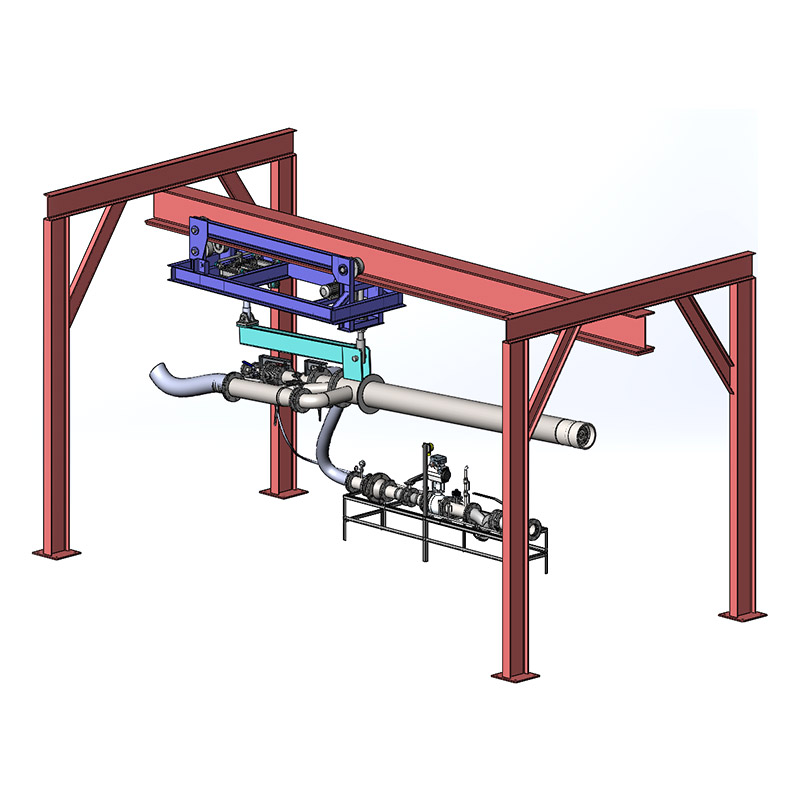
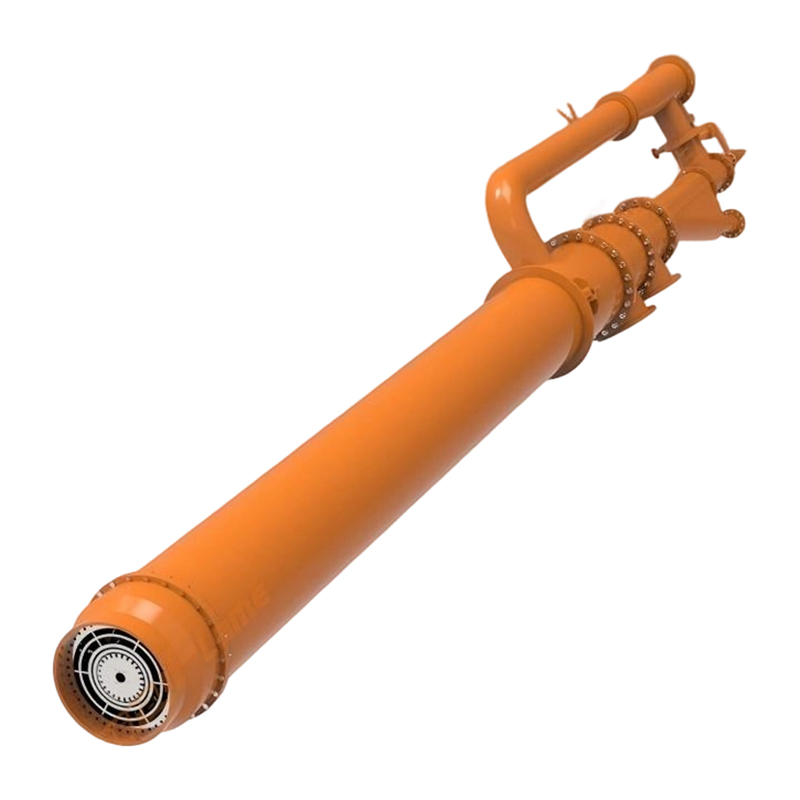
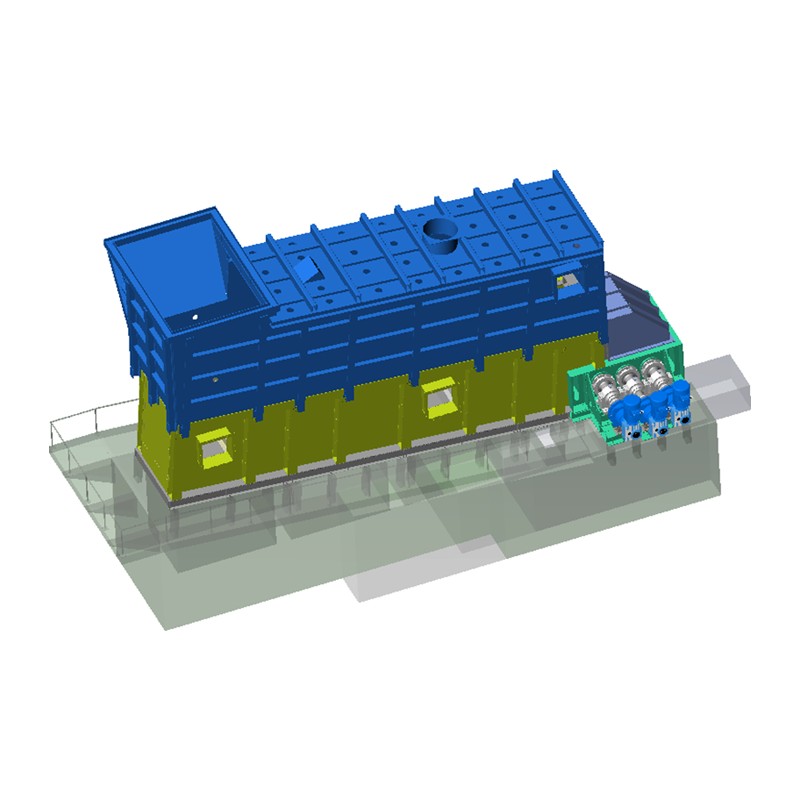
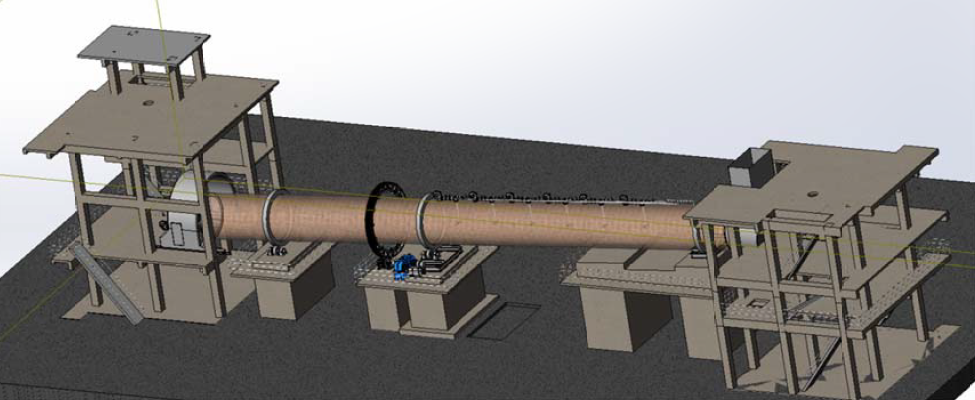
While preserving the inherent advantages of rotary kilns, GeneralFlame has developed a multi-stage burner technology for rotary kilns. This technology introduces a temperature distribution profile similar to that of tunnel kilns into the rotary kiln operating environment, realizing complementary benefits of both kiln types.
Key Technologies Involved
- Patented water-phase seal cooling technology
- Distributed temperature control technology
- Wireless communication control technology
- Flame diagnosis & monitoring technology
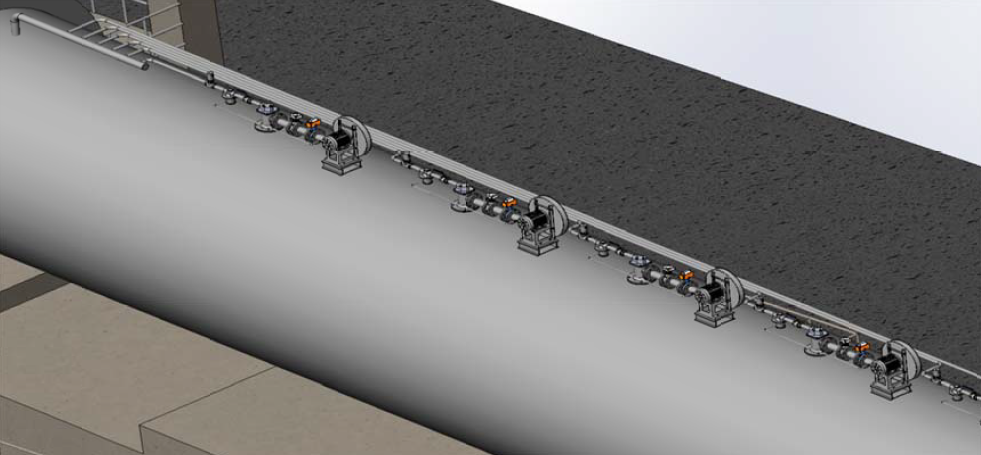
By integrating these technologies, multiple burners are installed in stages on the continuously rotating rotary kiln, achieving tunnel-like temperature distribution and control accuracy.
Key Outcomes
- Crystal phase conversion rate reaches tunnel kiln level
- Significantly improves overall recovery rate of lepidolite ore
- Reduces resource consumption
> Multi-stage combustion offers an ideal solution for lepidolite roasting, combining the flexibility of rotary kilns with the temperature uniformity of tunnel kilns.


 OEM/ODM High-Performance Combustion & Thermal Equipment Manufacturers
 English
 русский
 Français
 Español
 عربى
عربى