English
 русский
 Français
 Español
 عربى
عربى



Industrial Combustion System: Principles, Components, and Industrial Applications
An industrial combustion system is a highly engineered thermal energy solution designed to generate controlled heat through the combustion of fuels such as natural gas, diesel, heavy oil, coal gas, or alternative fuels. It plays a foundational role in modern industrial production, especially in high-temperature processes where stable heat output, fuel efficiency, and emission control are critical. In today’s industrial environment, combustion systems are no longer simple heat generators; they are intelligent, automated, and environmentally optimized energy systems.
As a professional solution provider specializing in combustion and energy-saving systems for industrial kilns, Jiangsu Jufeng Thermal Technology Co.,Ltd (GENERALFLAME) focuses on delivering high-performance combustion solutions widely used in rotary kilns and reheating furnaces. These systems are applied across industries such as solid waste treatment, building materials, chemical processing, ferronickel production, lithium salt manufacturing, and zinc oxide processing. With strong engineering capability and proprietary technology, the company has gained recognition in both domestic and international markets.
1. How Does an Industrial Combustion System Work in Modern Industry?
An industrial combustion system works based on the controlled reaction between fuel and oxidizer (usually air) to release thermal energy. However, modern systems are far more advanced than traditional burners. They integrate automation, sensors, and precision control systems to ensure stable combustion, high thermal efficiency, and low emissions.
The combustion process generally includes several stages:
- Fuel preparation and delivery – Fuel is filtered, regulated, and delivered through pipelines under controlled pressure.
- Air supply and mixing – High-pressure fans or blowers supply combustion air, ensuring the correct air-fuel ratio.
- Ignition phase – A pilot flame or electronic ignition system initiates combustion.
- Stable combustion zone – Fuel burns completely in the combustion chamber, producing high-temperature flame.
- Heat transfer process – Generated heat is transferred to industrial equipment such as kilns or furnaces.
- Flue gas discharge and treatment – Exhaust gases are discharged after emission control treatment.
Modern systems designed by Jiangsu Jufeng Thermal Technology Co.,Ltd emphasize intelligent combustion control. By using PLC systems and oxygen monitoring technology, the system automatically adjusts air and fuel ratios to maintain optimal combustion conditions.
| Stage | Function | Key Benefit |
|---|---|---|
| Fuel Supply | Stable fuel delivery | Prevents flame fluctuation |
| Air Mixing | Air-fuel optimization | Improves combustion efficiency |
| Ignition | Controlled flame start | Enhances safety |
| Combustion Zone | Energy release area | High temperature stability |
| Exhaust Control | Gas emission handling | Environmental compliance |
A key advantage of modern combustion systems is their ability to adapt to different fuel types. For example, GENERALFLAME systems can operate with multi-fuel configurations, supporting industrial flexibility in sectors such as metallurgy and waste treatment.
2. What Are the Key Components That Determine Combustion System Performance?
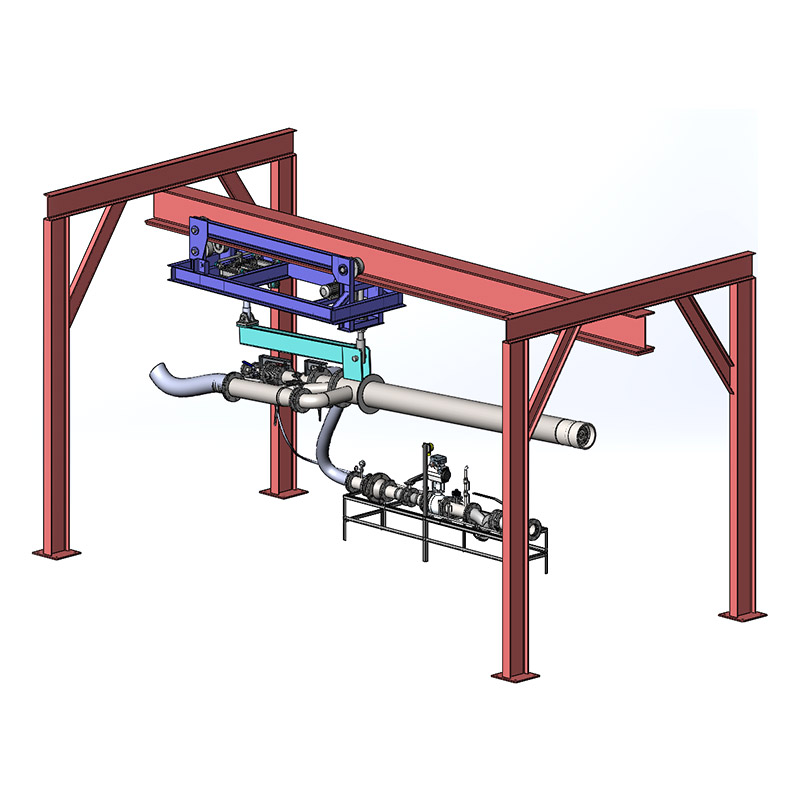
The performance of an industrial combustion system depends heavily on the quality and integration of its components. Each part must work in synchronization to ensure safety, efficiency, and emission control. In high-end systems developed by Jiangsu Jufeng Thermal Technology Co.,Ltd, components are engineered for durability, precision, and long-term stability in harsh industrial environments.
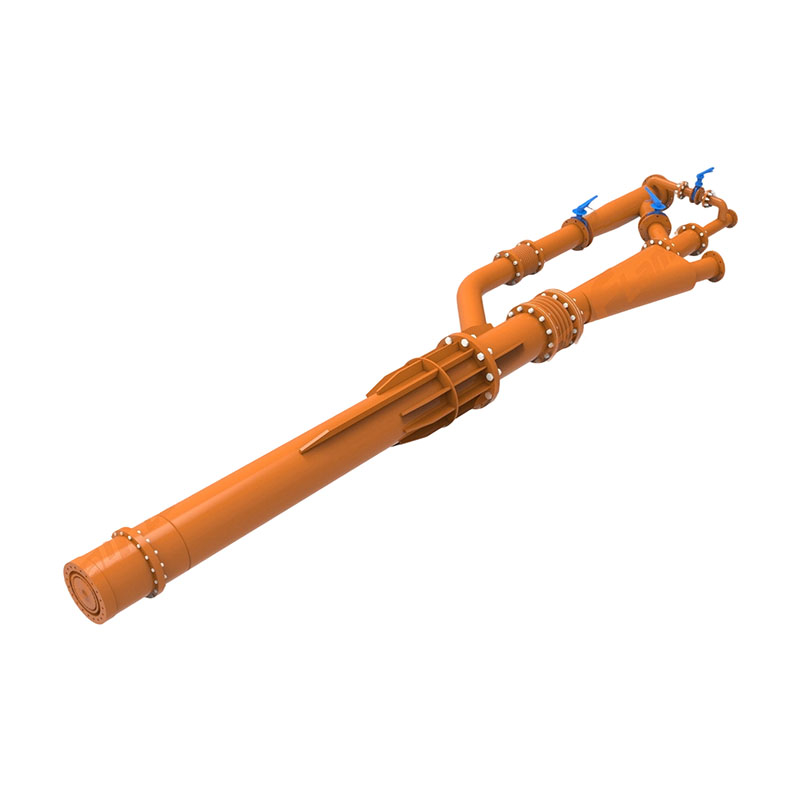
Core components include burners, control systems, air supply units, fuel regulation devices, and safety monitoring instruments. Among them, the burner is the heart of the system, directly affecting flame shape, temperature distribution, and fuel efficiency.
| Component | Function | Importance |
|---|---|---|
| Burner System | Fuel-air mixing and combustion | Determines thermal efficiency |
| PLC Control System | Automation and monitoring | Ensures intelligent operation |
| Fuel Regulation Unit | Controls fuel pressure/flow | Stabilizes combustion |
| Air Blower System | Supplies combustion air | Maintains flame stability |
| Flame Detector | Detects flame presence | Ensures operational safety |
In modern industrial applications such as rotary kilns and reheating furnaces, component reliability is critical. GENERALFLAME combustion systems are designed with high-temperature resistance materials, anti-corrosion structures, and advanced control algorithms to ensure continuous operation even in demanding environments like cement production or ferronickel processing.
Another important trend is digital integration. Smart combustion systems now include IoT-based monitoring, allowing operators to track temperature, pressure, and emission data in real time. This not only improves efficiency but also reduces downtime and maintenance costs.
3. Where Are Industrial Combustion Systems Applied Across Industries?
Industrial combustion systems are widely used across multiple heavy industries due to their ability to provide stable and high-temperature energy output. They are essential in processes that require continuous heating, material transformation, or chemical reaction control. The application scope continues to expand as industries pursue higher efficiency and lower emissions.
Jiangsu Jufeng Thermal Technology Co.,Ltd (GENERALFLAME) provides combustion solutions that are widely used in rotary kilns and reheating furnaces. These systems are especially effective in industries such as solid waste treatment, building materials, chemical processing, ferronickel production, lithium salt manufacturing, and zinc oxide processing.
| Industry | Application | Benefit |
|---|---|---|
| Cement & Building Materials | Rotary kiln heating | Stable clinker production |
| Metallurgy | Reheating furnace | Uniform temperature control |
| Chemical Industry | Reaction heating | Precise process control |
| Waste Treatment | Incineration systems | Efficient combustion of waste |
| New Energy Materials | Lithium & zinc processing | High purity thermal control |
In cement production, combustion systems ensure consistent kiln temperature, which directly affects product quality. In metallurgical industries, precise heat control is required to ensure metal purity and structural integrity. In waste treatment, combustion systems must achieve complete burning while minimizing harmful emissions.
GENERALFLAME systems are also exported to countries such as India, Vietnam, Malaysia, Myanmar, Indonesia, Sudan, and Egypt. This global presence demonstrates their adaptability to different industrial standards and fuel conditions.
Modern industrial trends emphasize energy conservation and environmental protection. As a result, combustion systems are evolving toward low-NOx burners, waste heat recovery integration, and intelligent energy optimization systems.